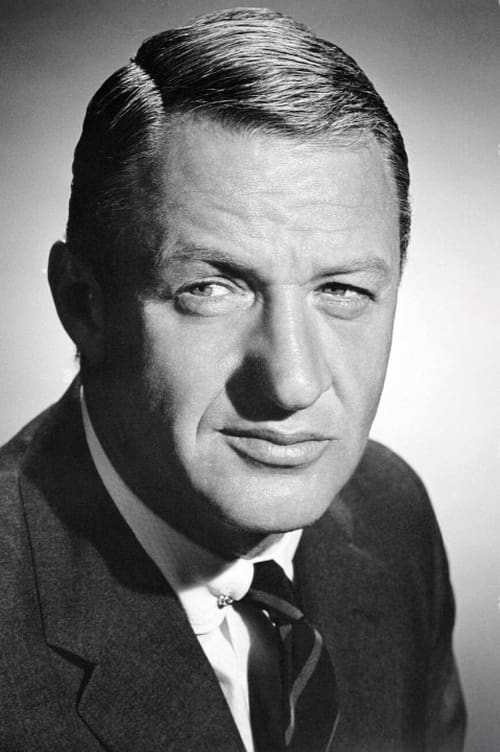
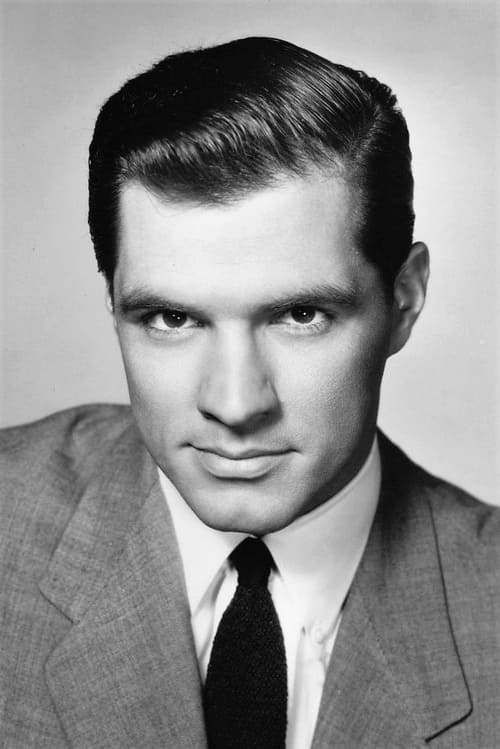
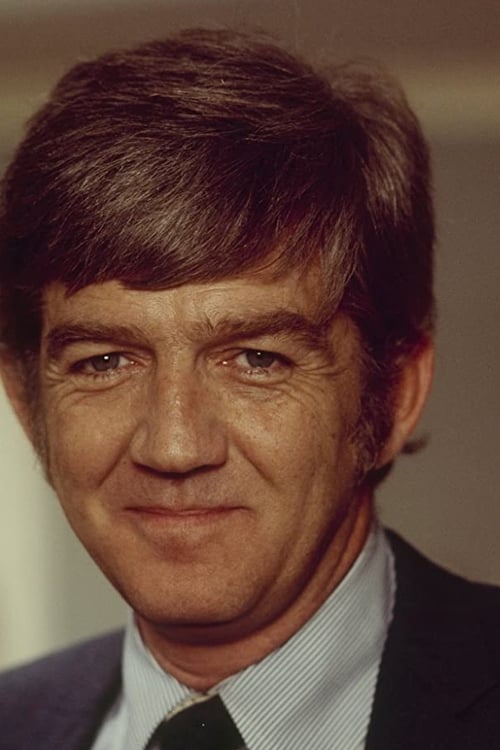
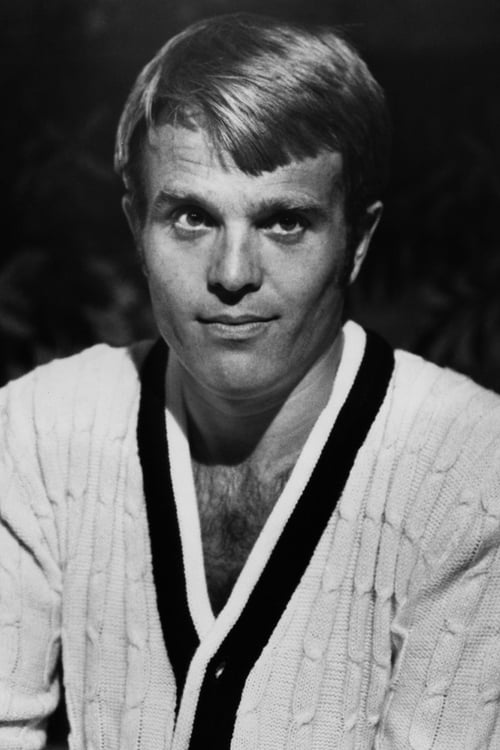
Convoy is a 13-episode American television show set during World War II that appeared on NBC for the 1965–1966 television season. The series starred John Gavin as Commander Dan Talbot of the US Navy destroyer escort "DD181" and John Larch as civilian merchant Captain Ben Foster of the cargo ship "Flagship", who were involved with the convoy ships and their escorts that help to transport food, supplies and war materials across the Atlantic during the Battle of the Atlantic. The series also featured Linden Chiles as Steve Kirk and James T. Callahan, formerly of ABC's Wendy and Me sitcom, in the role of Lieutenant O'Connell. Among the guest stars were Dennis Hopper, Jack Palance, Barbara Rush, James Doohan, Leslie Nielsen, Horst Ebersberg, Harold Gould, and Jeremy Slate. Convoy was one of the last NBC series in black and white; the use of stock footage made color impossible. As a result, several NBC affiliates refused to clear the program, which consequently failed to climb out of the 'bottom 10' in the Nielsen ratings. The program premiered on September 17, 1965, and the last episode aired on December 10.
Dick O'Connell
The series spans 1 season with 13 episodes in total (avg. 13 per season).
Each episode runs approximately 60 minutes.
Originally aired on NBC.

Unknown
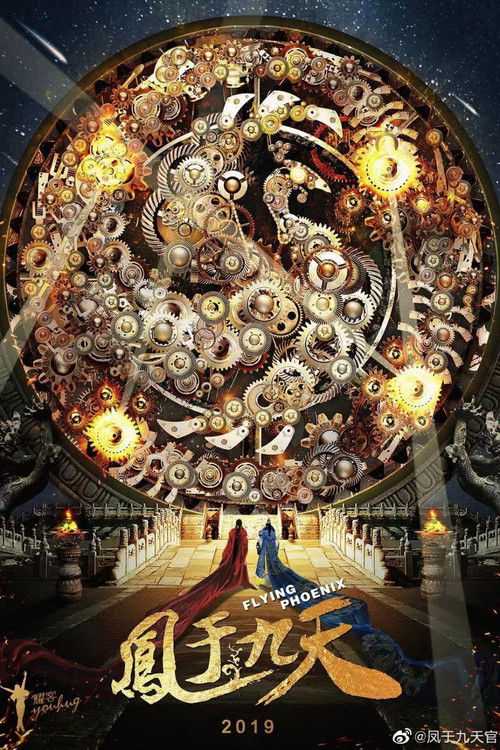
Feng Ming was only 19 when he lost his life saving a child from death without hesitation. The grateful father of the rescued child grants Feng Ming a second chance at life. Unknown to Feng Ming, his soul is whisked away to a faraway ancient land. Upon waking up, he finds himself inhabiting the frail body of Thunder Kingdom’s crowned prince who is also graced with the title of the most beautiful man across all the lands. However, his beauty has a price as he attracts the unwanted attention of the minister of affairs, Rong Tian who finds every reason to torment the prince mentally and physically. As Feng Ming starts to get a hold of the conspiracies surrounding him, what will happen when the prince’s true identity is revealed? And what happened to the ‘real’ prince?

2002
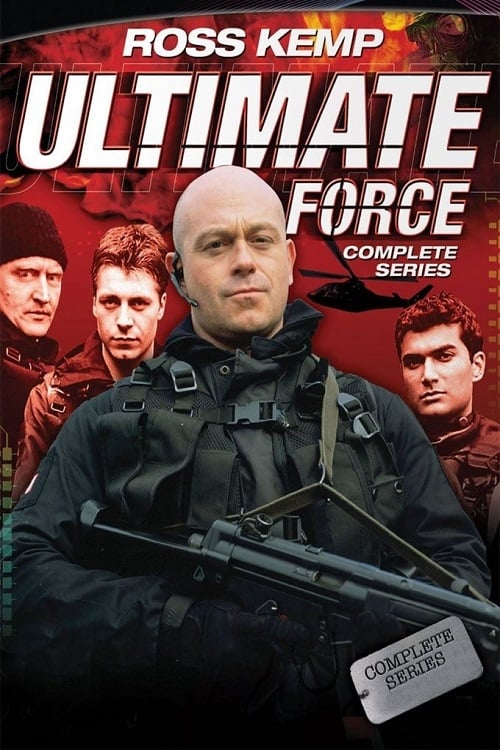
This covert combat series focuses on the Red Troop, an elite group of soldiers from the British military's Special Air Service group.

2004
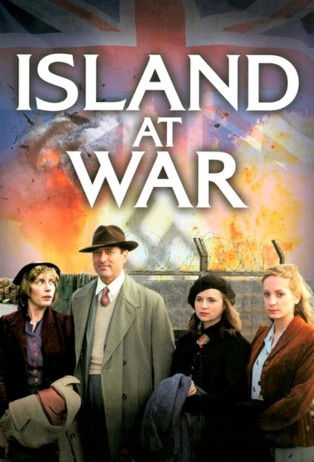
Island at War is a British television series that tells the story of the German Occupation of the Channel Islands. It primarily focuses on three local families: the upper class Dorrs, the middle class Mahys and the working class Jonases, and four German officers. The fictional island of St. Gregory serves as a stand-in for the real-life islands Jersey and Guernsey, and the story is compiled from the events on both islands. Produced by Granada Television in Manchester, Island at War had an estimated budget of £9,000,000 and was filmed on location in the Isle of Man from August 2003 to October 2003. When the series was shown in the UK, it appeared in six 70-minute episodes.

1993
During the Suez Crisis of 1956, two young clerks at the stuffy Foreign Office in Whitehall display little interest in the decline of the British Empire. To their eyes, it can hardly compete with girls, rock music, and the intrigue of romantic entanglements.

2005
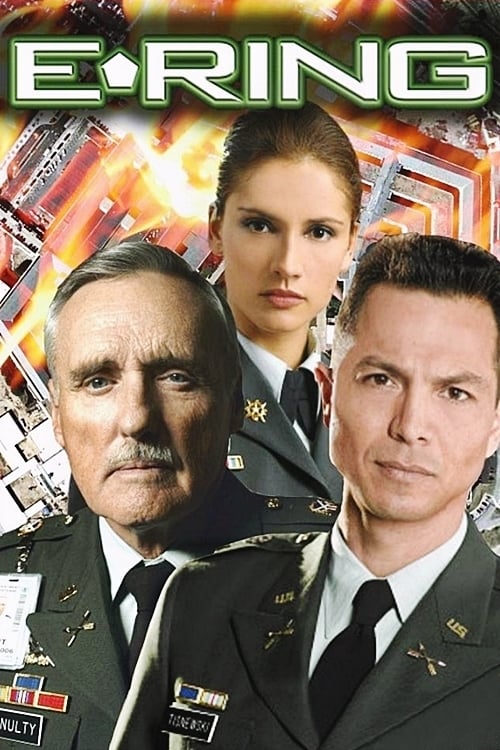
E-Ring is an American television military drama, created by Ken Robinson and David McKenna and executive produced by Jerry Bruckheimer, that premiered on NBC on September 21, 2005. The title of the show refers to the structure of The Pentagon, which is configured in five concentric rings, from "A" to "E", with E being the outermost ring. Before any military action can be taken anywhere in the world the mission must be planned and approved by the most important ring of the Pentagon, the E-ring. This is where the more high-profile work is done, all operations must be legally approved and the green light given by the Joint Chiefs of Staff. The show starred Benjamin Bratt as Major James Tisnewski, a former Delta Force operator and Dennis Hopper as Colonel Eli McNulty, as officers working in the E-ring of the Pentagon in the Special Operations Division – planning and co-ordinating covert US special operations actions around the globe. The show struggled from the onset because it was up against ABC's Top 20 hit Lost, CBS's Top 30 hit Criminal Minds, FOX's Top 10 hit American Idol and the network's Top 30 hit Unan1mous. Although NBC gave it an earlier time slot which led to better ratings, the show was pulled from the lineup during the February sweeps and officially canceled at the NBC Upfront on May 15.

1959
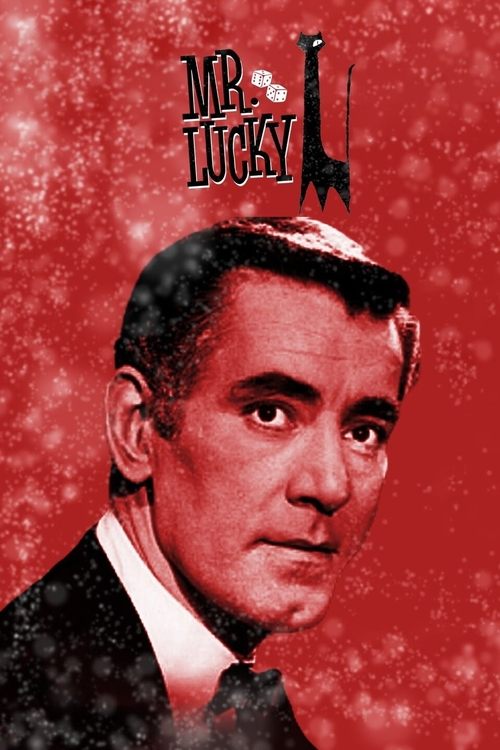
Mr. Lucky is a CBS adventure/drama television series that aired from October 24, 1959, to June 18, 1960, with repeats until September 3. Blake Edwards developed the program as a retooling of his Willie Dante character from Four Star Playhouse, where the role was played by studio boss Dick Powell. In the 1960–1961 season, Howard Duff assumed the role of Willie Dante in the NBC adventure/drama series Dante. Mr. Edwards directed and co-wrote the first episode of Mr. Lucky, and the credits of the first eighteen episodes included "Entire production supervised by Blake Edwards." Jack Arnold produced the show and directed fifteen of the thirty-four episodes. Henry Mancini's smooth theme music for the show reached Number 21 in the US singles charts. He released two successful LP's based on the show, Mr. Lucky and Mr. Lucky Goes Latin.

2010
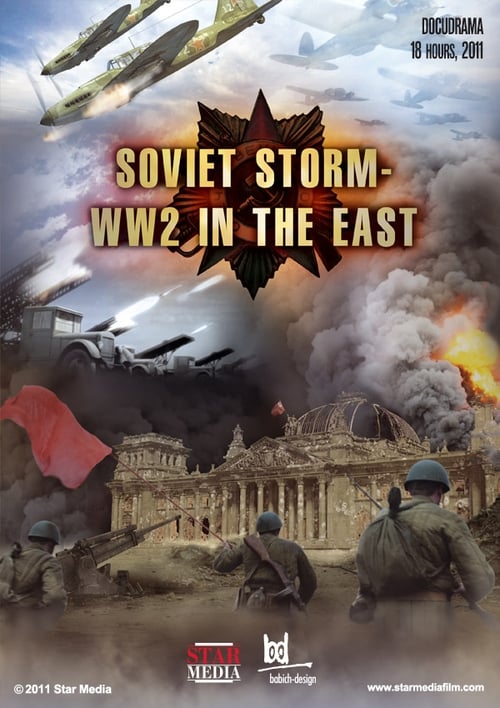
The epic television history of the Second World War’s Eastern Front giving an unprecedented Russian perspective on the war’s most decisive and bloody theater.

1998
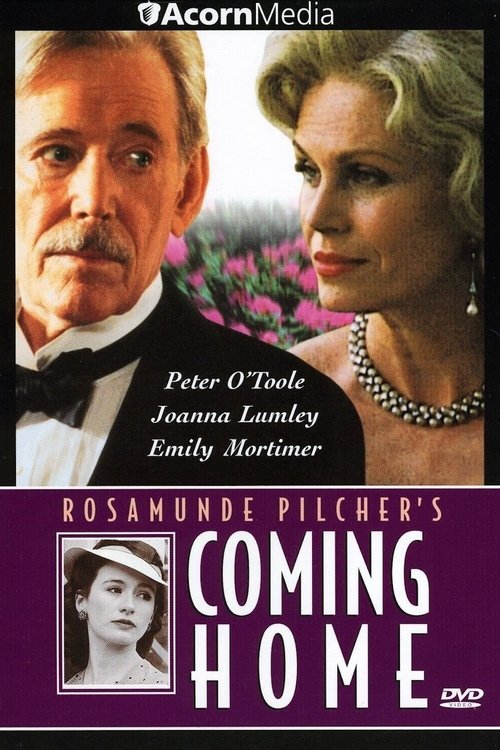
Alone and without her parents, Judith Dunbar spends her school days in a boarding school. When her friend Loveday invites her to Gut Nancherrow one day, it is love at first sight for Judith. The elegant lady of the house Diana, her husband Colonel Cary-Lewis and Loveday's siblings Edward and Athena immediately fall in love with her and treat her like family. But the outbreak of the Second World War put an end to the idyll on Nancherrow overnight. A long, thorny road lies ahead of Judith until she finally finds happiness in a family of her own...

1984
The series presents an original, non-didactic view of rural Poland during the Nazi occupation, rejecting stereotypes about ubiquitous wartime heroism, sacrifice, and martyrdom. It is a record of a "war-torn" state of consciousness, a drama of lost people who sink into ever greater degradation.
Great
3 votes
Convoy
Ended
No
English
9/17/1965
12/10/1965