
Andres Gomez
Jun 16, 2014
Great movie! Akira Kurosawa is just a master movie maker.

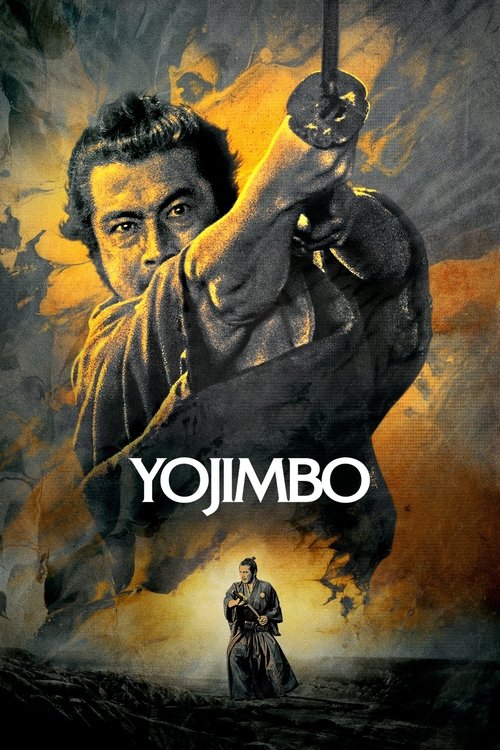
Kill one or a hundred... you only hang once
A nameless ronin, or samurai with no master, enters a small village in feudal Japan where two rival businessmen are struggling for control of the local gambling trade. Taking the name Sanjuro Kuwabatake, the ronin convinces both silk merchant Tazaemon and sake merchant Tokuemon to hire him as a personal bodyguard, then artfully sets in motion a full-scale gang war between the two ambitious and unscrupulous men.
Seibê - brothel operator
Andres Gomez
Jun 16, 2014
Great movie! Akira Kurosawa is just a master movie maker.
CRCulver
Jun 5, 2018
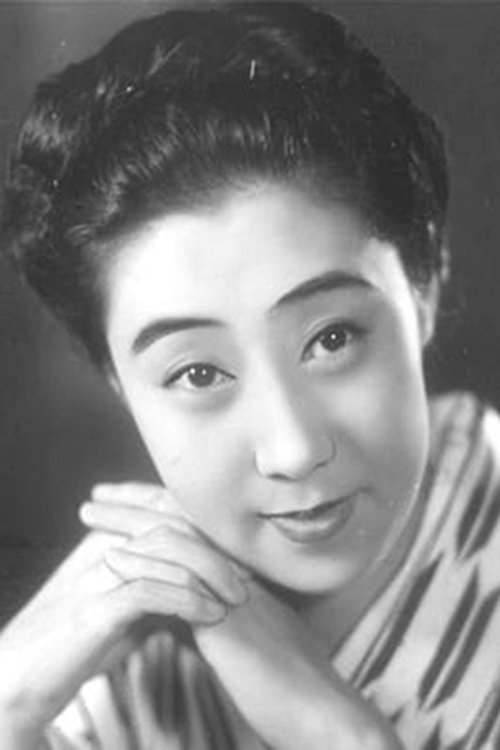
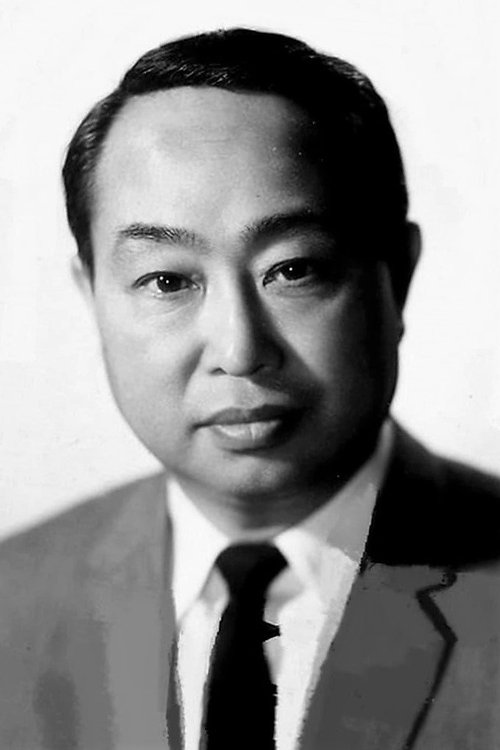
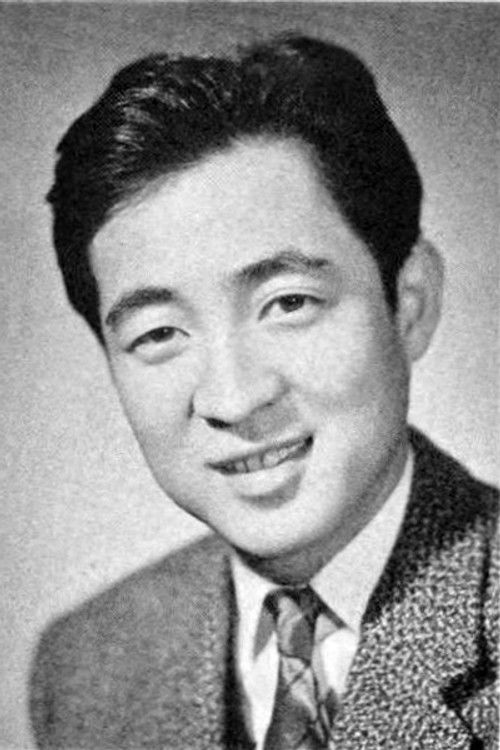
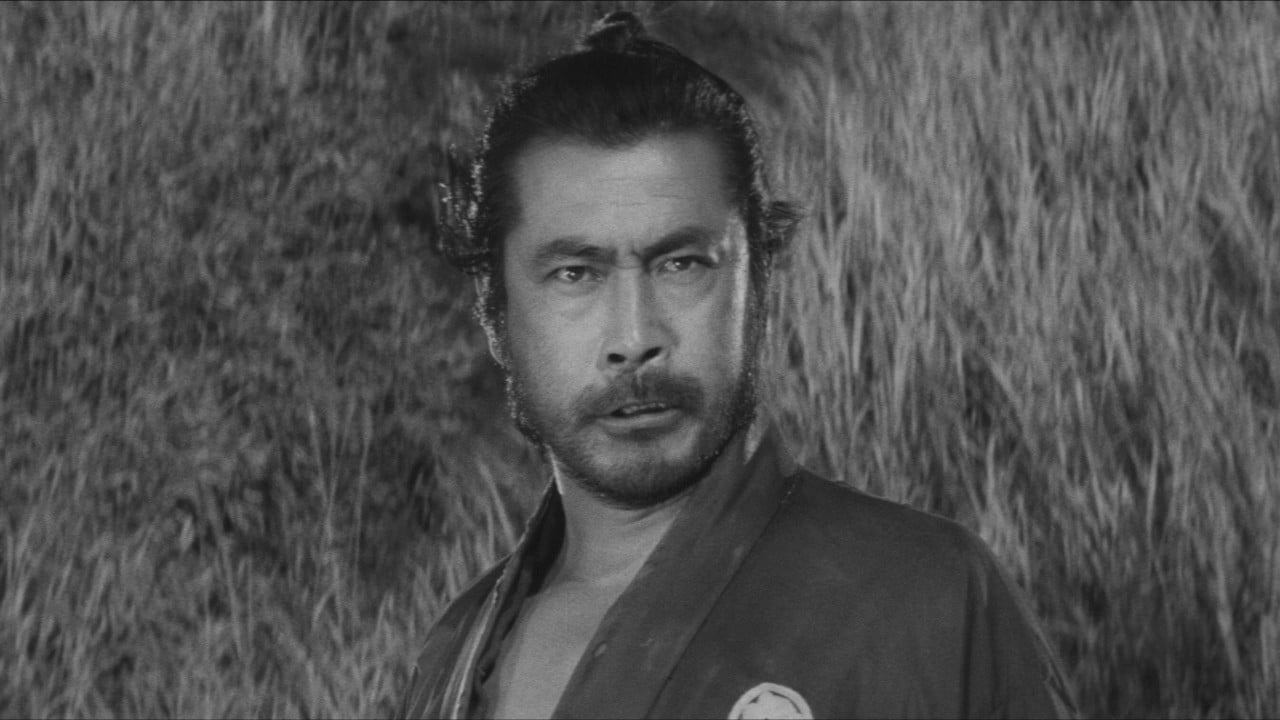
Akira Kurosawa's 1961 film YOJIMBO is a Japanese period drama where wily strategy is worth just as much as prowess with a sword. In the late Edo era (some decades before its end in 1868) a community is plagued by two opposing gangs who have built up a criminal empire of prostitution and gambling. Even the local officials are on the take. Into this town steps a nameless samurai (Toshiro Mifune). Once they get a taste of his swordsmanship, both sides want to hire him, but he decides to play them off against each other and free the innocent citizens from this evil. In past films Kurosawa had taken advantage of Mifune's ability to produce exaggerated facial expressions of laughter and fear. Here, however, the nameless samurai is completely unflappable, while it is the criminal bosses and corrupt officials who play the clowns. Ikio Sawamura is a town constable constantly toadying to the gangsters, for example, while Isuzu Yamada gives a memorably sassy performance as the madame of a brothel. In what would become a convention of the Japanese period drama, the numerous henchmen in the gangs were apparently chosen from the most grotesque men that Kurosawa could find (each furthermore has distinctively ratty attire), and one thug is played by an actor suffering from gigantism. That darkly comedic drama between the characters coexists with brutal violence. Yet, while audiences may have been shocked in 1961 by the samurai dispatching his opponents with realistic slashing sound effects and a hacked off limb, there are only a handful of fights here, and they are all over in a flash. (Indeed, one of the most striking aspects of Mifune's acting is his speed in executing the sword moves.) While Kurosawa delights in gangsters getting their comeuppance, he doesn't revel in gore. Much has been said about how this Japanese film would inspire Westerns made in America and Europe (Sergio Leone's A FISTFUL OF DOLLARS was a straight-up remake). However, the film is also interesting for how it draws so much on influences from the West. Kurosawa's inspiration was an American crime caper by Dashiell Hammett, the samurai’s walk down the main street is drawn from the Westerns of John Ford and others, the soundtrack mixes Japanese music with Western instruments such as harpsichord, and Tatsuya Nakadai's pretty-boy looks are clearly modeled on Hollywood. All in all, I was very impressed by this film. Everything here – from the script and aspect to little things like the wind and dust and the little decorations on the set – seems the result of great effort and talent, all coming together to impress the viewer. And like Kurosawa's RASHOMON, it stays fresh even as its elements have been repeatedly reused by other film and television productions for half a century now.
CinemaSerf
Aug 13, 2023
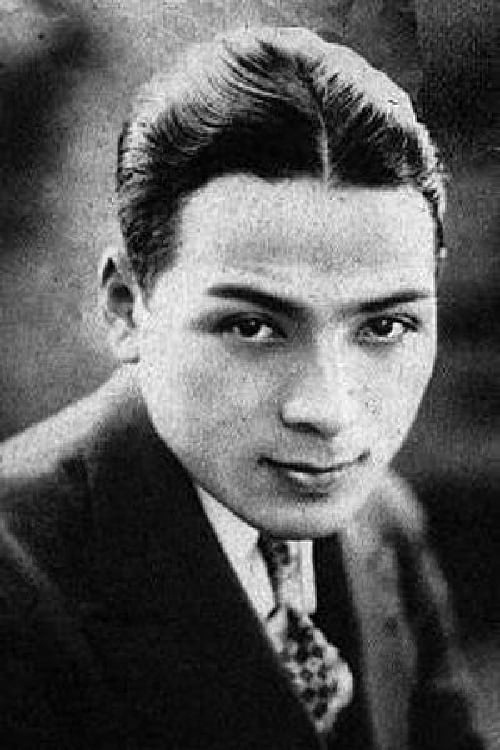
I was surprised when I saw this, how late it was set - 19th Century - as I'd always imagined it to be of a more historical nature. That doesn't remotely detract from the story though - as again Kurosawa casts Yoshirô Mifune ("Sanjûrô") in the leading role. Here he is a wandering samurai who arrives in a village torn by strife. His skills are sought by the two opposing headmen and he quite successfully manages to play them off against each other - and keep the peace - until one the their sons arrives, armed with a pistol, and completely alters the balance of power. Mifune is superb as the maverick, thoroughly honourable and at times quite amusing ronin - I was reminded a little of the characterisation by Clint Eastwood in the Sergio Leone films - with a ruthless, violent streak: but somehow only towards those meritorious of their fate. It takes it's time, this - there is a fair degree of character development and as such, I felt quite invested in both Mifune and in his friend the innkeeper (Eijirô Tôno) as their peril gradually increases. The remainder of the cast adds to the tension well as does the frequent use of the weather in helping create the gripping atmosphere making this a corker of a film, very much worth watching.
The film's tagline is: "Kill one or a hundred... you only hang once"
The original title is "用心棒" (JA).
The runtime is 110 minutes (1h 50m).
The film was directed by Akira Kurosawa.
The screenplay was written by Ryuzo Kikushima and Akira Kurosawa.
The score was composed by Masaru Satō.
Cinematography was handled by Kazuo Miyagawa.
The film features a large ensemble cast of over 51 credited actors.
This title is listed on IMDb as tt0055630.
Collection
View all films
1960
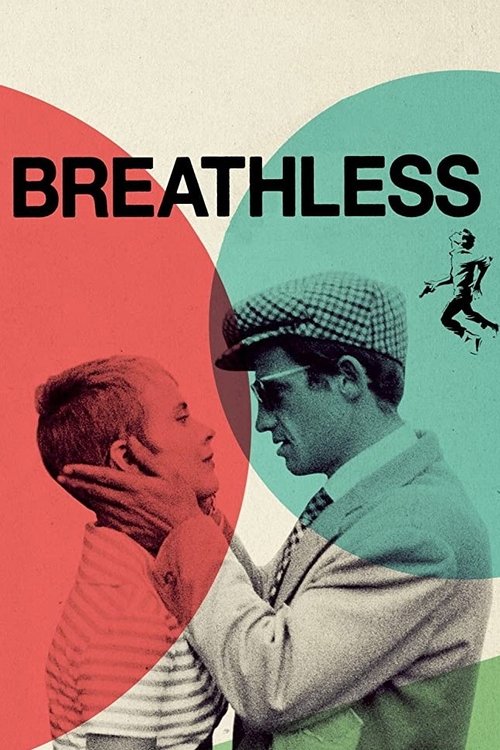
A small-time thief steals a car and impulsively murders a motorcycle policeman. Wanted by the authorities, he attempts to persuade a girl to run away to Italy with him.
2007
Oliver doesn’t have a family so he steals one.
1991
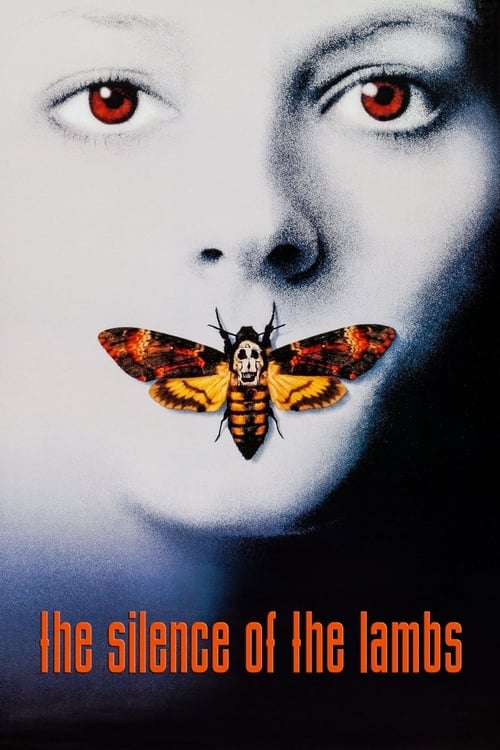
Clarice Starling is a top student at the FBI's training academy. Jack Crawford wants Clarice to interview Dr. Hannibal Lecter, a brilliant psychiatrist who is also a violent psychopath, serving life behind bars for various acts of murder and cannibalism. Crawford believes that Lecter may have insight into a case and that Starling, as an attractive young woman, may be just the bait to draw him out.
1995
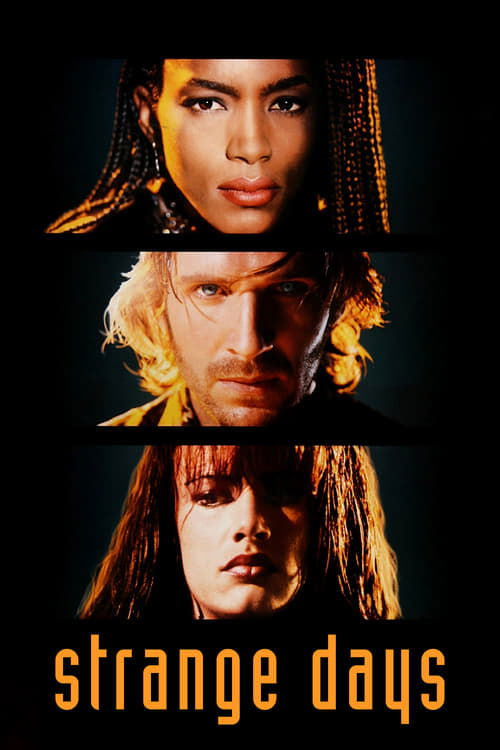
In the last days of 1999, ex-cop turned street hustler Lenny Nero receives a disc which contains the memories of the murder of a prostitute. With the help of bodyguard Mace, he starts to investigate and is pulled deeper and deeper in a whirl of murder, blackmail and intrigue.

1960
Bud Baxter is a minor clerk in a huge New York insurance company, until he discovers a quick way to climb the corporate ladder. He lends out his apartment to the executives as a place to take their mistresses. Although he often has to deal with the aftermath of their visits, one night he's left with a major problem to solve.
1952
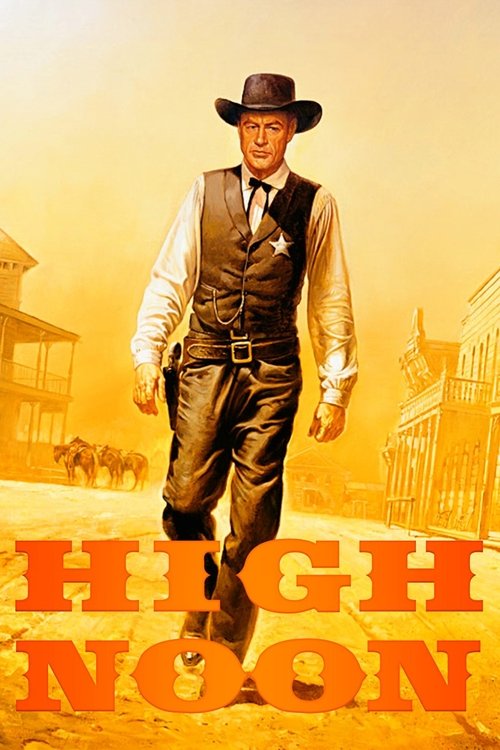
Will Kane, the sheriff of a small town in New Mexico, learns a notorious outlaw he put in jail has been freed, and will be arriving on the noon train. Knowing the outlaw and his gang are coming to kill him, Kane is determined to stand his ground, so he attempts to gather a posse from among the local townspeople.
1943
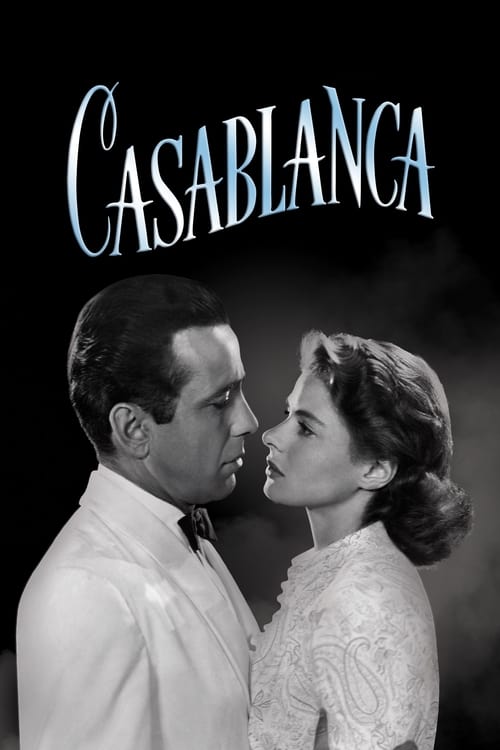
In Casablanca, Morocco in December 1941, a cynical American expatriate meets a former lover, with unforeseen complications.

2022
Three bodyguards are hired to protect an aging Triad kingpin during a gang war in San Francisco's Chinatown.
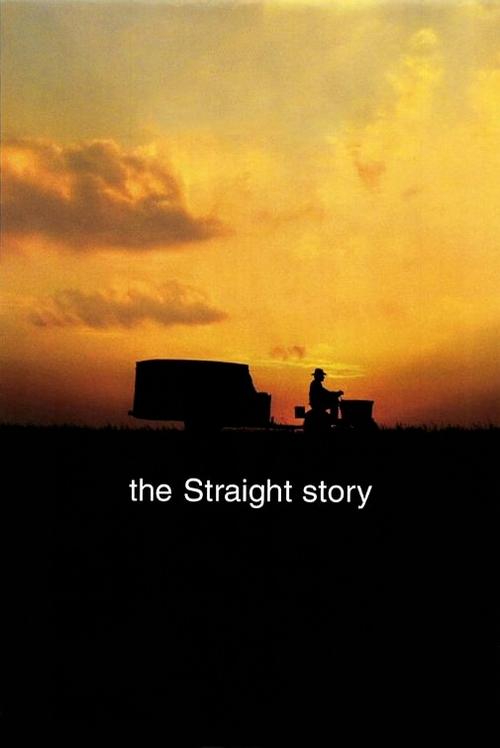
1999
Retired farmer and widower Alvin Straight learns one day that his distant brother Lyle has suffered a stroke and may not recover. Alvin is determined to make things right with Lyle while he still can, but his brother lives in Wisconsin, while Alvin is stuck in Iowa with no car and no driver's license. He then has the idea of making the trip on his old lawnmower, thus beginning a picturesque and at times deeply spiritual odyssey.
Great
1,679 votes
Critic avg. 8.0 (3 reviews)
Review score distribution
用心棒
Released
NR
日本語
Japan