Armed with a camera and eighteen clean pairs of underwear, Josefien Hendriks hitchhikes The Netherlands and askes passengers questions about faith, friendship, love and death.
The original title is "Wij gaan nergens naar toe" (NL).
The film was directed by Josefien Hendriks.
This title is listed on IMDb as tt1401645.
1970
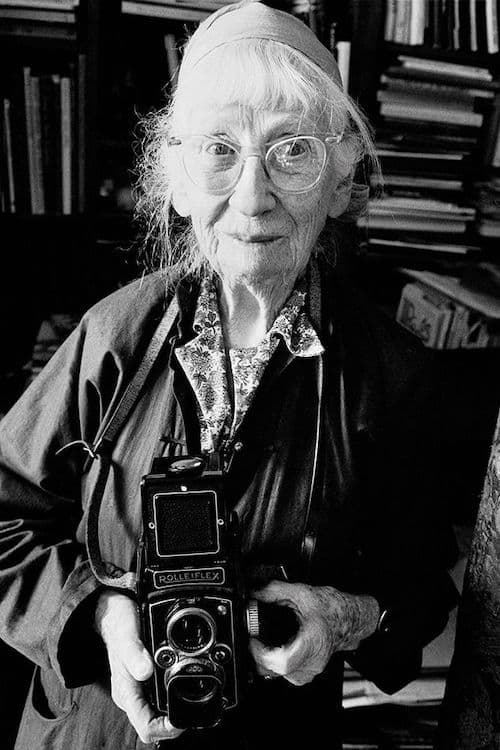
A fascinating insight into the life and works of photographer Imogen Cunningham. Coming into public attention around 1910, she was celebrated in the late sixties through awards, honorary degrees and exhibitions. Her photos are looked at from three focal points: nature, portraits and figure studies.

1938
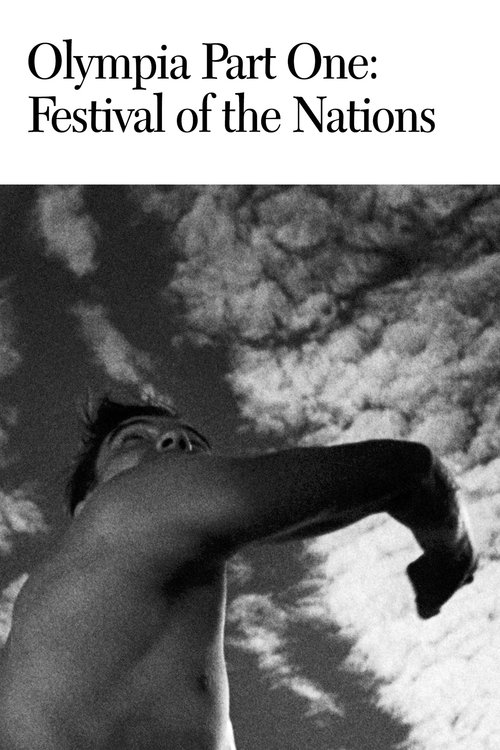
Starting with a long and lyrical overture, evoking the origins of the Olympic Games in ancient Greece, Riefenstahl covers twenty-one athletic events in the first half of this two-part love letter to the human body and spirit, culminating with the marathon, where Jesse Owens became the first track and field athlete to win four gold medals in a single Olympics.

1938
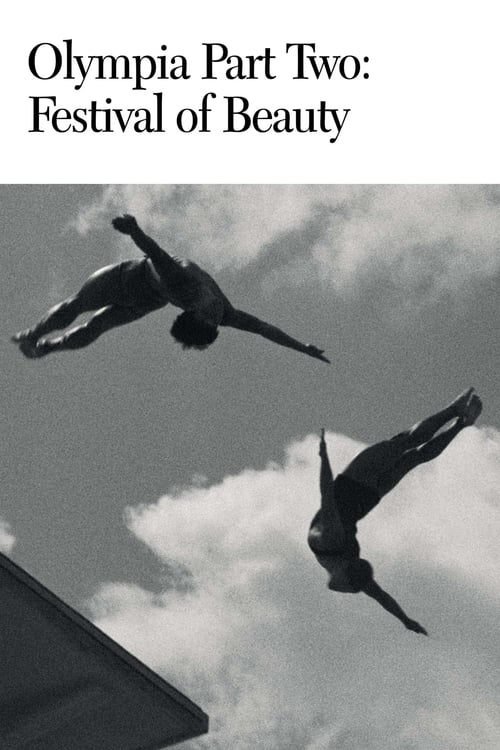
Part two of Leni Riefenstahl's monumental examination of the 1938 Olympic Games, the cameras leave the main stadium and venture into the many halls and fields deployed for such sports as fencing, polo, cycling, and the modern pentathlon, which was won by American Glenn Morris.

1895
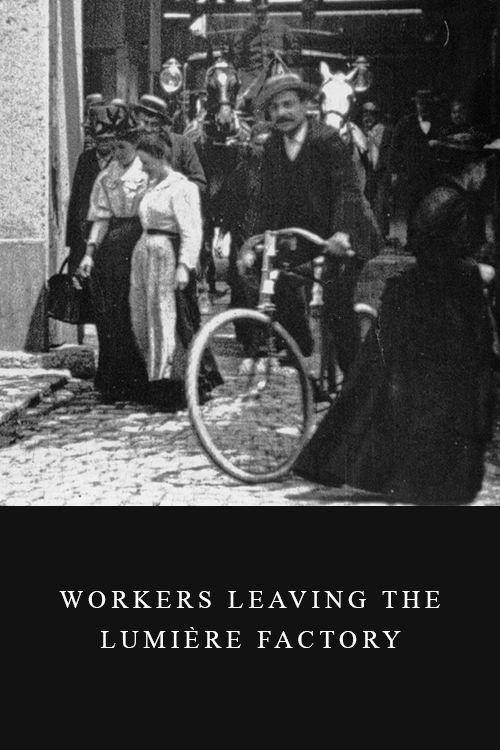
Working men and women leave through the main gate of the Lumière factory in Lyon, France. Filmed on 22 March 1895, it is often referred to as the first real motion picture ever made, although Louis Le Prince's 1888 Roundhay Garden Scene pre-dated it by seven years. Three separate versions of this film exist, which differ from one another in numerous ways. The first version features a carriage drawn by one horse, while in the second version the carriage is drawn by two horses, and there is no carriage at all in the third version. The clothing style is also different between the three versions, demonstrating the different seasons in which each was filmed. This film was made in the 35 mm format with an aspect ratio of 1.33:1, and at a speed of 16 frames per second. At that rate, the 17 meters of film length provided a duration of 46 seconds, holding a total of 800 frames.

2011
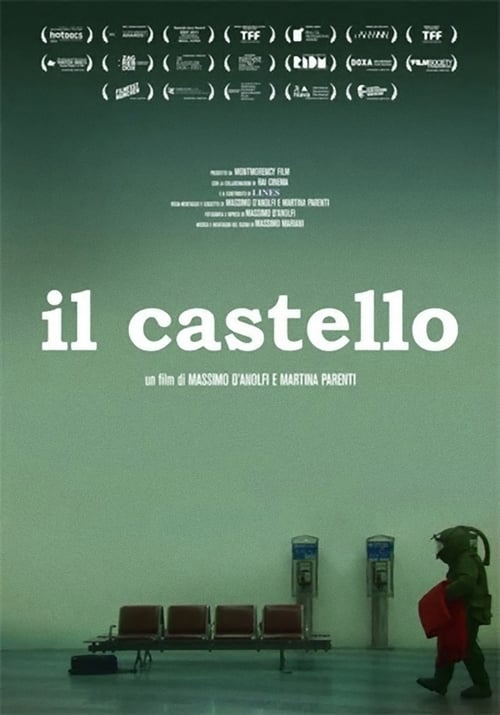
One year at Malpensa: four seasons spent following the bureaucracy, the procedures, the controls and the movements that are everyday occurrences inside an intercontinental airport. A public space, in which Italian and international police forces collaborate, where every gesture is captured by closed-circuit cameras, each piece of luggage is studied in all its recesses in an attempt to ward off a potential and unknown threat. A place in which fear is the only thing not in transit.

2015
A documentary that explores the potential dangers of toxic chemicals in consumer products and the recent spike in unexplained health phenomena.

1973
Filmed in the Canadian Rockies and in Garibaldi Park, this documentary features magnificent footage of mountain solitudes and the wildlife found there, of natural splendour in all its changing moods. The film carries the implicit warning that all this may pass away if people do not seek to preserve it. Without words.

2014
Spies of Mississippi tells the story of a secret spy agency formed by the state of Mississippi to preserve segregation and maintain white supremacy. The anti-civil rights organization was hidden in plain sight in an unassuming office in the Mississippi State Capitol. Funded with taxpayer dollars and granted extraordinary latitude to carry out its mission, the Commission evolved from a propaganda machine into a full blown spy operation. How do we know this is true? The Commission itself tells us in more than 146,000 pages of files preserved by the State. This wealth of first person primary historical material guides us through one of the most fascinating and yet little known stories of America's quest for Civil Rights.

2007
Vienna’s Prater is an amusement park and a desire machine. No mechanical invention, no novel idea or sensational innovation could escape incorporation into the Prater. The diverse story-telling in Ulrike Ottinger’s film “Prater” transforms this place of sensations into a modern cinema of attractions. The Prater’s history from the beginning to the present is told by its protagonists and those who have documented it, including contemporary cinematic images of the Prater, interviews with carnies, commentary by Austrians and visitors from abroad, film quotes, and photographic and written documentary materials. The meaning of the Prater, its status as a place of technological innovation, and its role as a cultural medium are reflected in texts by Elfriede Jelinek, Josef von Sternberg, Erich Kästner and Elias Canetti, as well as in music devoted to this amusement venue throughout the course of its history.
Mixed
4 votes
Wij gaan nergens naar toe
Released
Nederlands
Netherlands