
Nothing but silence. Nothing but a revolutionary song.
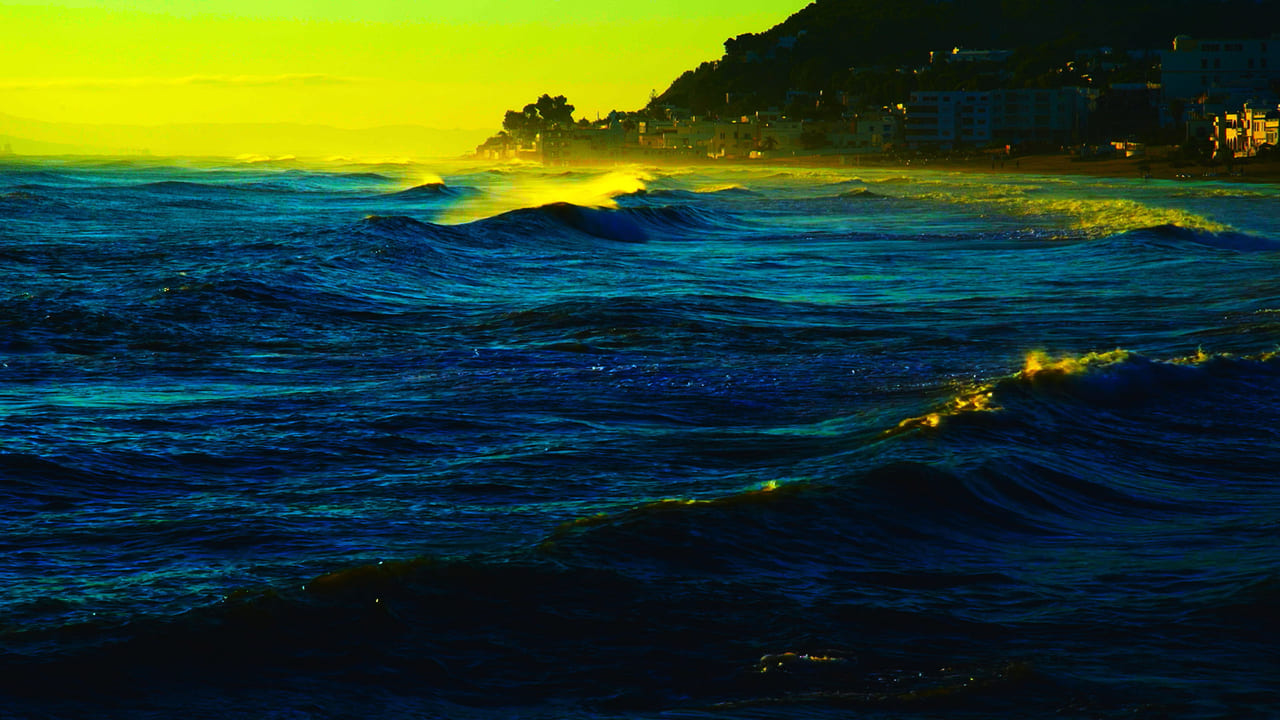
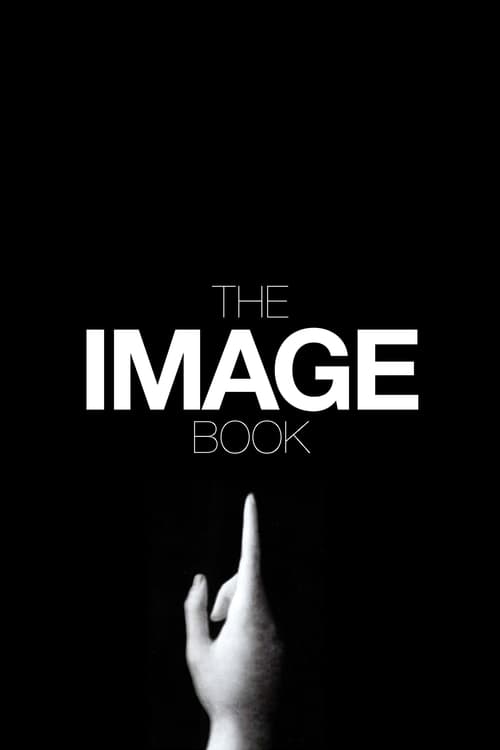
In Le Livre d’Image, Jean-Luc Godard recycles existing images (films, documentaries, paintings, television archives, etc.), quotes excerpts from books, uses fragments of music. The driving force is poetic rhyme, the association or opposition of ideas, the aesthetic spark through editing, the keystone. The author performs the work of a sculptor. The hand, for this, is essential. He praises it at the start. “There are the five fingers. The five senses. The five parts of the world (…). The true condition of man is to think with his hands. Jean-Luc Godard composes a dazzling syncopation of sequences, the surge of which evokes the violence of the flows of our contemporary screens, taken to a level of incandescence rarely achieved. Crowned at Cannes, the last Godard is a shock film, with twilight beauty.
(archive footage)
The film's tagline is: "Nothing but silence. Nothing but a revolutionary song."
The original title is "Le Livre d'image" (FR).
The runtime is 88 minutes (1h 28m).
The film features dialogue in 3 languages: Arabic, French, English.
It was a co-production between: France, Switzerland, Iran.
The film was directed by Jean-Luc Godard.
The screenplay was written by Jean-Luc Godard.
This title is listed on IMDb as tt5749596.

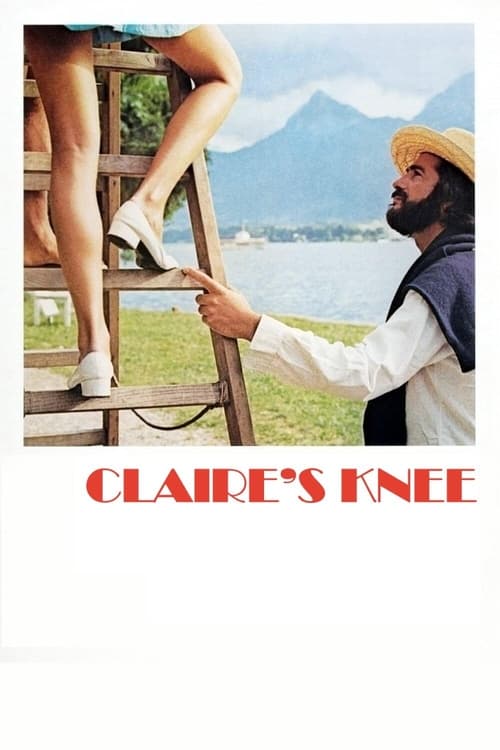
1970
On the eve of his wedding, on holiday on the Lake Annecy shore, a career diplomat visits an old acquaintance, perhaps a former girlfriend. Through her he meets an intense teenager, Laura, and then lusts after her sister, Claire. Whilst Laura attempts to flirt with him, his fantasy becomes focused on wanting to caress Claire's knee.

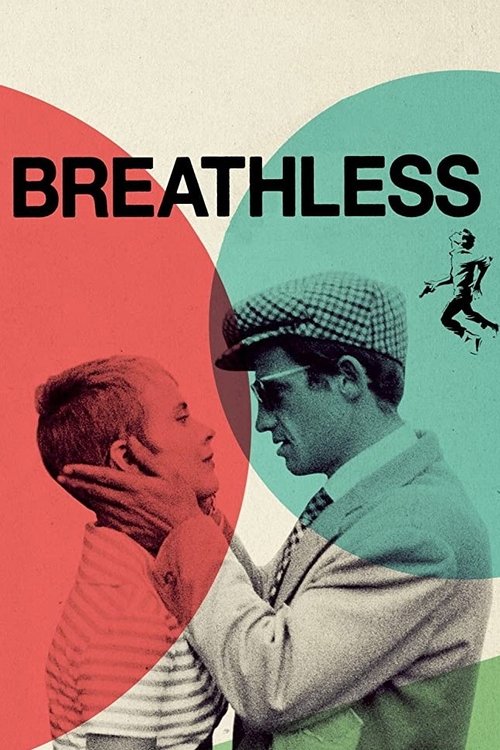
1960
A small-time thief steals a car and impulsively murders a motorcycle policeman. Wanted by the authorities, he attempts to persuade a girl to run away to Italy with him.

2018
When the silent cinema learned to speak, the audience was surprised not only by the voices of the actors and the sound effects, but also by a new element, the music, which, combined with the dance and an unprejudiced imagination, gave rise to a new genre, as important to Hollywood cinema as the western was: the musical. A journey through the history of this genre, from its beginnings to the present day.

2024
Documentary on Les Charlots, known as The Crazy Boys in the English-speaking world, a group of French musicians, singers, comedians and film actors who were popular in the 1960s, 1970s, and early 1980s.

2023
A portrait of the famous French actress Fanny Ardant, who has worked with great figures of cinema such as Agnès Varda, Alain Resnais, Michelangelo Antonioni, Sydney Pollack and, above all, François Truffaut (1932-84), with whom she had a sentimental relationship and whose death marked the rest of her life.

1976
Here and Elsewhere takes its name from the contrasting footage it shows of the fedayeen and of a French family watching television at home. Originally shot by the Dziga Vertov Group as a film on Palestinian freedom fighters, Godard later reworked the material alongside Anne-Marie Miéville.

2004
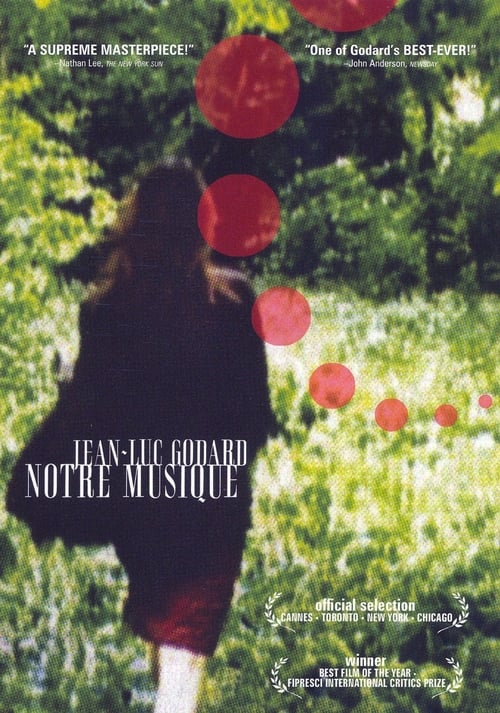
A three-chapter (Hell, Purgatory and Paradise) meditation on the city of Sarajevo in the wake of the Bosnian war, on Palestine and Israel, and on war itself.

2015
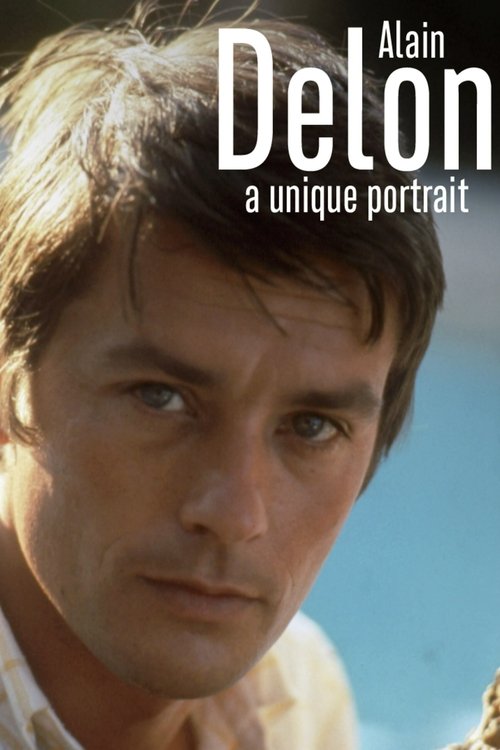
Biography of a star and figure study : This fascinating portrait is for anyone who wants to know more about the man behind the mask. By the end of the film, you will view this famous French icon in a totally different light. Delon speaks in a series of surprising interviews, spanning nearly 50 years.

1960
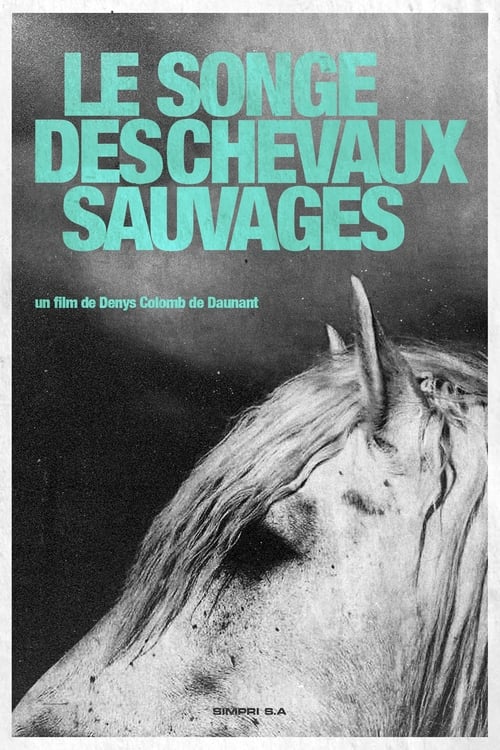
The horses in Denys Colomb Daunant’s dream poem are the white beasts of the marshlands of the Camargue in South West France. Daunant was haunted by these creatures. His obsession was first visualized when he wrote the autobiographical script for Albert Lamorisse’s award-winning 1953 film White Mane. In this short the beauty of the horses is captured with a variety of film techniques and by Jacques Lasry’s beautiful electronic score.
Average
83 votes
Le Livre d'image
Released
NR
العربية, Français, English
France, Switzerland, Iran