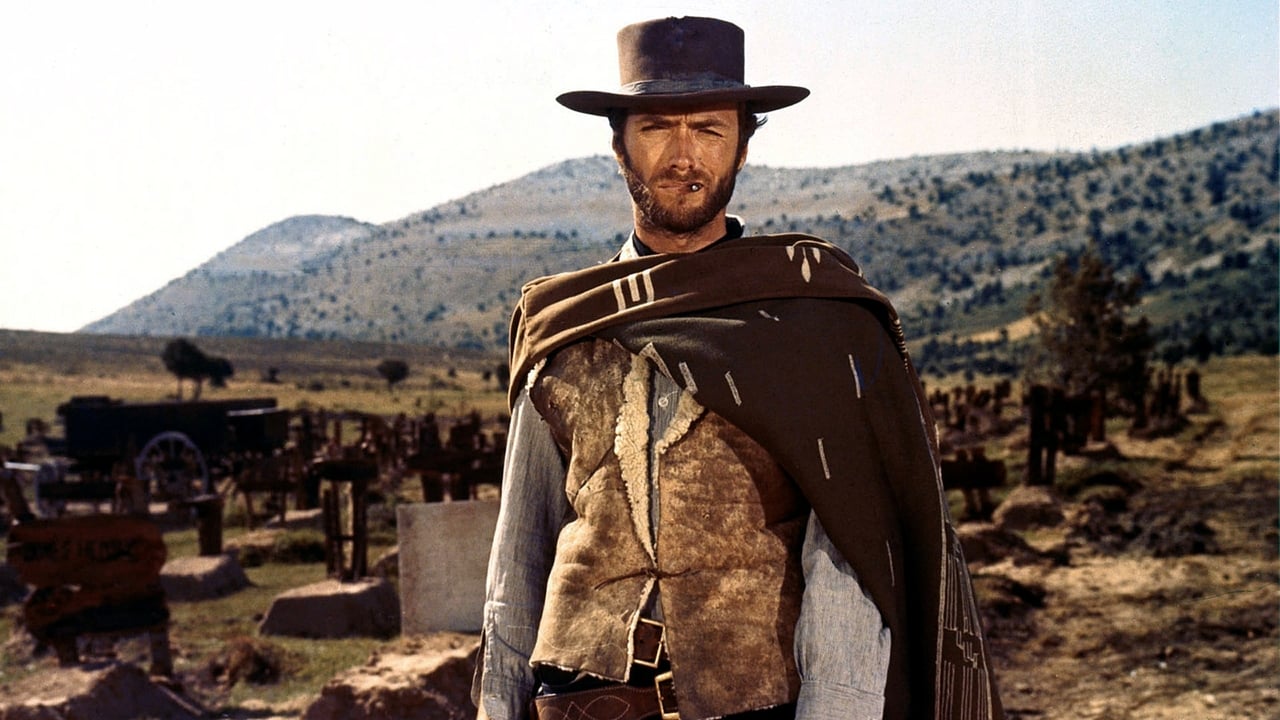
I'm looking for the owner of that horse. He's tall, blonde, he smokes a cigar, and he's a pig!
It's debatable of course, since there are legions of fans of the first two films in Sergio Leone's Dollars Trology, but with each film there not only came a longer running time, but also a rise in quality - debatable of course!
Here for the third and final part of the trilogy, Leone adds Eli Wallach to the established pairing of Lee Van Cleef and Clint Eastwood, and brings all his tools of the trade to the party. Plot is slight, the three principals are on a collision course to find some buried gold, with each man having varying degrees of scuzziness, so how will it pan out?
Such is the genius of the narrative, it's a fascinating journey to undertake. The characterisations are ripe and considered, the various traits and peccadilloes beautifully enhanced, and with Leone being Leone, there's no shortage of cruelty and humour. He also brings his style, the close ups, long shots and some outstanding framing of characters in various situations.
The story encompasses The Civil War, which pitches our leads into "The Battle of Branston Bridge", where here we get to see just how great
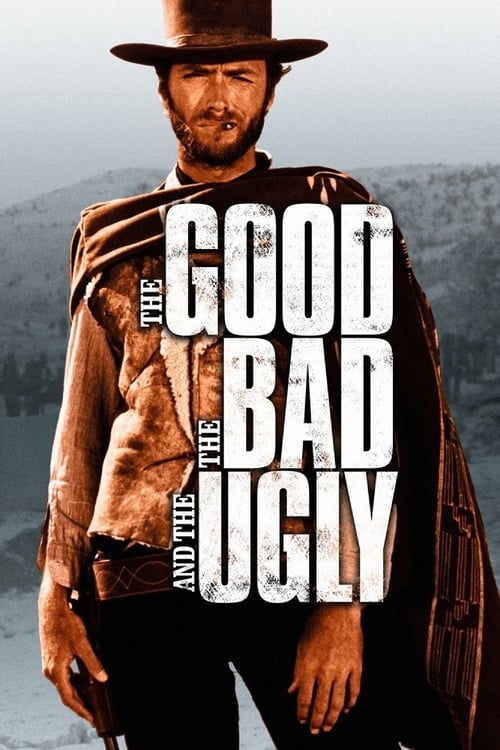
Sergio Leone's <i>The Good, the Bad, and the Ugly</i> is a classic Western film. Clint Eastwood is the Good, aka the Man with No Name, a taciturn wanderer who follows his own sense of justice. His opposite is Angel Eyes (Lee van Cleef), the Bad, a brutal mercenary who kills anyone who stands in the way of making ready cash. The film's comic relief is Tuco (Eli Wallach), the Ugly, a Mexican bandit wanted in several states who ends up inadvertently doing some good turns. At the height of the Civil War, as Union and Confederate armies battle each other in the West, these three men vie for an abandoned cache of gold coins.
The film is especially memorable for its pace and cinematography. The opening scene, for example, juxtaposes closeups of anxious faces with vast panoramas of the Western landscape, and 10 minutes passes before a single word is said. It is like Tarkovsky transplanted to a vastly different setting. That's not to say it's all so serious, though. In a sense the film is a "two buddies on the road" movie, with Tuco the wisecracker and Eastwood's character the straight man. It is also a war film, with Leone apparently sparing no expense in presenting a realistic image of
I am not a fan of Sergio Leone. In fact, this movie and Once Upon a Time in the West are the only movies of his that I have seen. But I think they are both classic westerns. He seems to bring out the best in his cinematographer, both for scenery and for his characters.
In one review I read, he was criticized for staying with facial close-ups too long, and I would probably agree if he populated his movies with beautiful actors and actresses as many films do, but he relies heavily upon actors with interesting faces.
Sometimes I feel he relies on too many shootings, and on having his gunfighters be too damn good. Two, four, six opponents? Doesn’t matter, these guys kill them all and come out unscathed. But that is part of the western movie gunfighter mystique.
On a different level, I have owned the soundtrack for this movie: The Good the Bad and the Ugly, for close to 50 years. I write novels in my spare time, and I started listening to this soundtrack (plus others like Thunderball) for background music as I wrote. I moved on to Ambient music, such as Brian Eno, but still listen to this album. As a side note, I heard a great version of this movie music on YouTube, performed