The Freeway
2012•Unknown runtime•
★0.0(0 ratings)
Drama
Overview
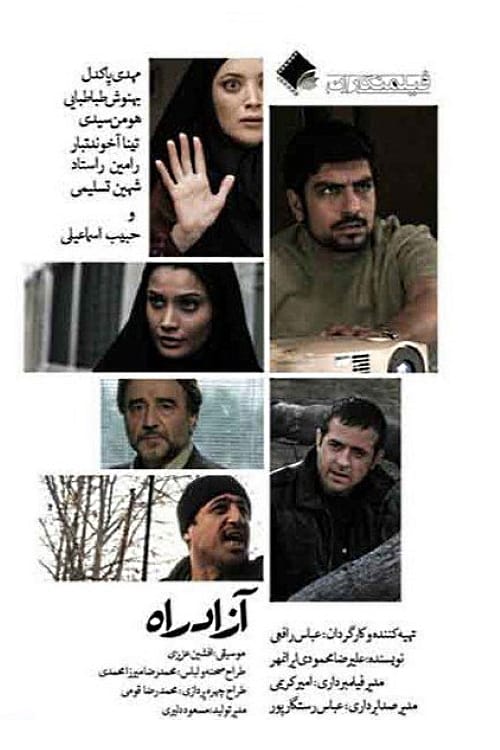
When an ex-lover pours acid on a clergyman and his fiancé, the clergyman and his brother-in-law kill the man in an incident.
Director
Abbas RafeiWriters
Watchlist
When an ex-lover pours acid on a clergyman and his fiancé, the clergyman and his brother-in-law kill the man in an incident.
The original title is "آزادراه" (FA).
The film was directed by Abbas Rafei.
The screenplay was written by Alireza Mahmoudi Iranmehr.
This title is listed on IMDb as tt2258651.

2011
The story is about the world of a small family with familiar dreams and not so remarkable problems. The mother is trying to lead everything to save her family, but small events disarrange all her plans.
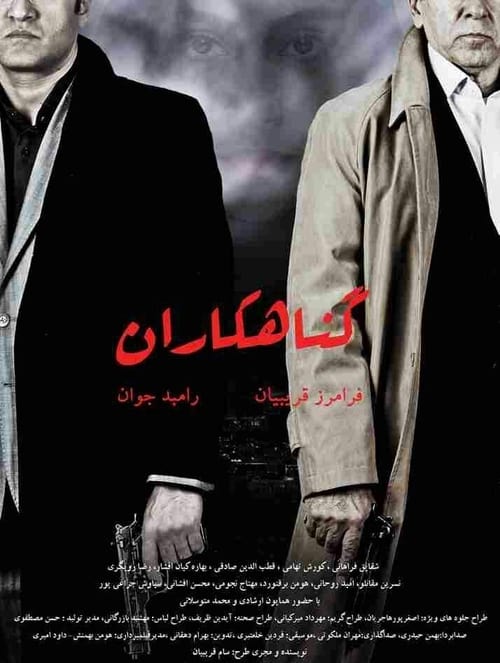
2013
Two homicide detectives investigates the murder of a woman ...
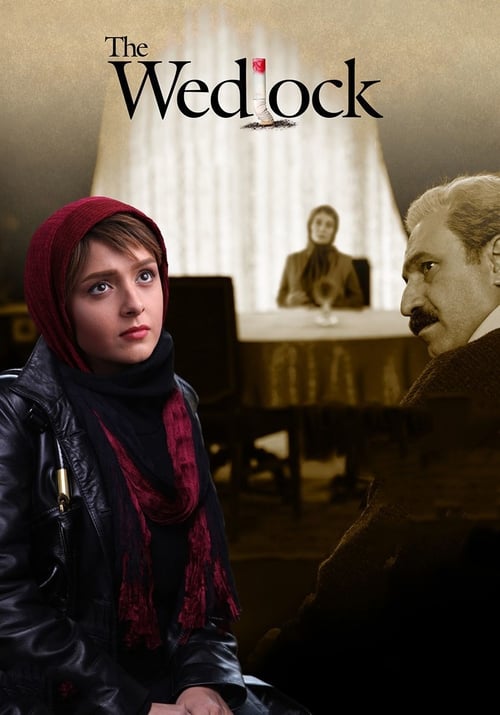
2014
The renovation of a rambling family homestead becomes a metaphor for an unexpected assault on traditional family values when a newly married twenty-something brings her architect husband to draw up the plans for her aunt and uncle’s rehab job.

2013
THE BRIGHT DAY weaves a story that has its roots in the complexity of Iran’s draconian laws governing capital punishment. A kindergarten teacher hopes to aid the father of one of her young students, a man accused of manslaughter, by convincing each of seven reluctant witnesses to come forward. No one lacks a hidden agenda in this drama in which shades of truth collide with self-interest and the specter of payback. (Gene Siskel Film Center)
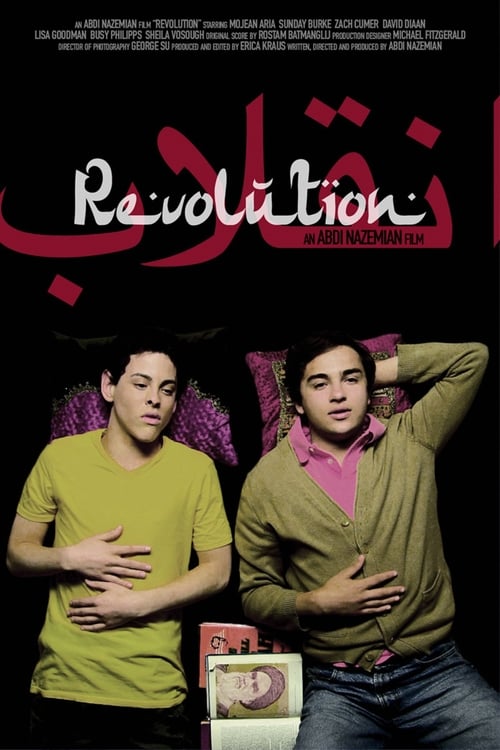
2012
A coming-of-age story about Jack, a 16-year old Iranian boy growing up in 1989 Los Angeles. With the 1979 Iranian Revolution a distant memory, the AIDS movement as a backdrop, and a haunting score by Vampire Weekend's Rostam Batmanglij, Jack learns how to stage his own much smaller revolution within the confines of his traditional family.
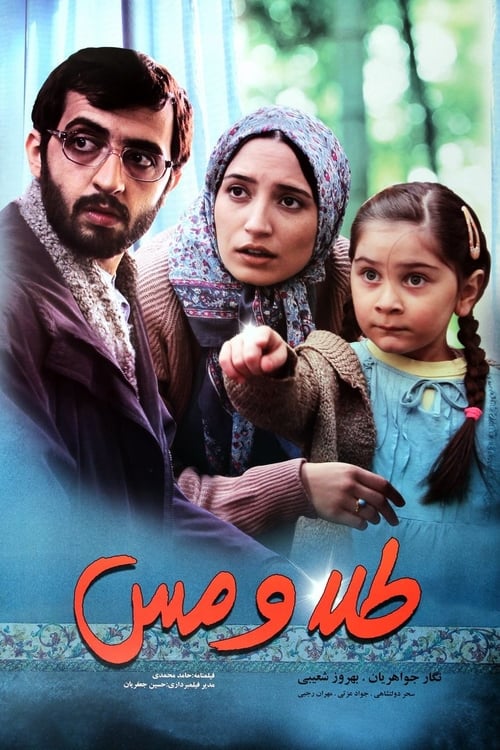
2011
A Tehran mullah-in-training struggles to take care of his ailing wife and their children in this profoundly moving melodrama. A film of near-universal appeal, it puts a human face on Iran's Muslim clergy with its unusual tale of a man forced by hardship to become a better husband and father. Seyed Reza has just moved with his family to Tehran so he can study the Koran, and he relies on his lovely wife Zahra to look after their two young children and weave the intricate rugs that earn them a living. But one evening Zahra collapses and is taken to the hospital, where she's diagnosed with multiple sclerosis. Scarcely able to process the tragedy, Seyed is left to cook, change diapers, walk his daughter to school and take his toddler son with him to his classes, where peers and elders treat him with scorn. But Seyed eventually learns to cope, his prayers and devotional studies taking on deeper meaning as he attends to the hard nightly work of rug weaving, getting through with a heavy ...

2003
Behrani, an Iranian immigrant buys a California bungalow, thinking he can fix it up, sell it again, and make enough money to send his son to college. However, the house is the legal property of former drug addict Kathy. After losing the house in an unfair legal dispute with the county, she is left with nowhere to go. Wanting her house back, she hires a lawyer and befriends a police officer. Neither Kathy nor Behrani have broken the law, so they find themselves involved in a difficult moral dilemma.
2001
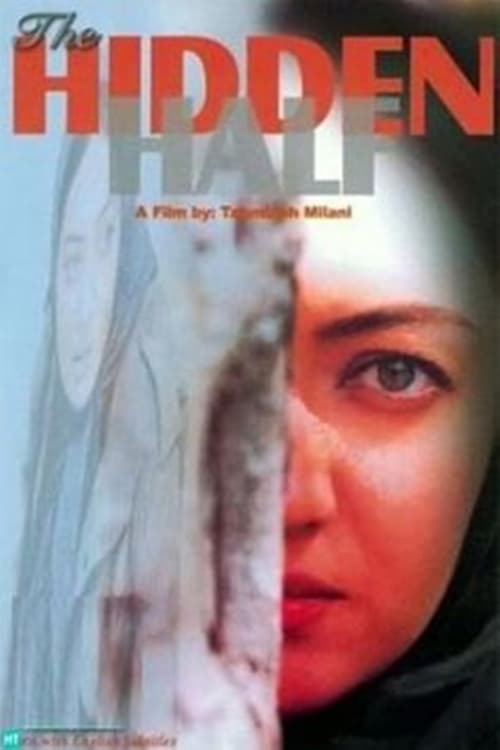
An official is sent from his home in Tehran to hear the final appeal of a woman sentenced to death, a political prisoner. The official's wife of nearly 20 years, Fereshteh Samimi, writes him a letter to read when he reaches the hotel - the story of her student days during the revolution of 1978. We see the story in flashbacks as he reads: she leaves her province on scholarship, joins a Communist youth group, avoids arrest, and comes under the sway of a suave older man, Roozbeh Javid, a literary-magazine editor. As she tells her husband about the hidden half of her life, Fereshteh asks that he listen to the woman facing execution, a woman and therefore one of Iran's hidden half.
2014
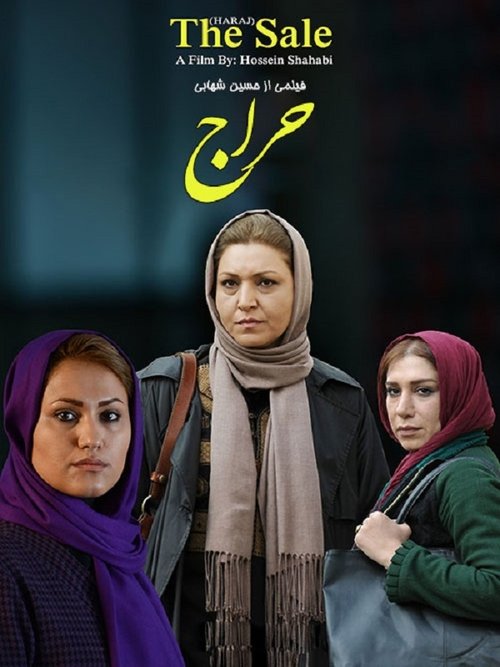
Forough is a middle aged woman whose husband has temporarily married with another woman. Even though that was kept secret from her, but his action is considered legal in Iran. Now the husband is in prison, due to not being able to pay second wife’s “Mehrieh” (the bride’s marriage portion).The second wife intends to receive her Mehrieh by asking the court’s permission to sell his house. Forough, the first wife, in order to not lose her home, intends to sell all she has to pay for her husband’s debt and release him from the jail.
Poor
0 votes