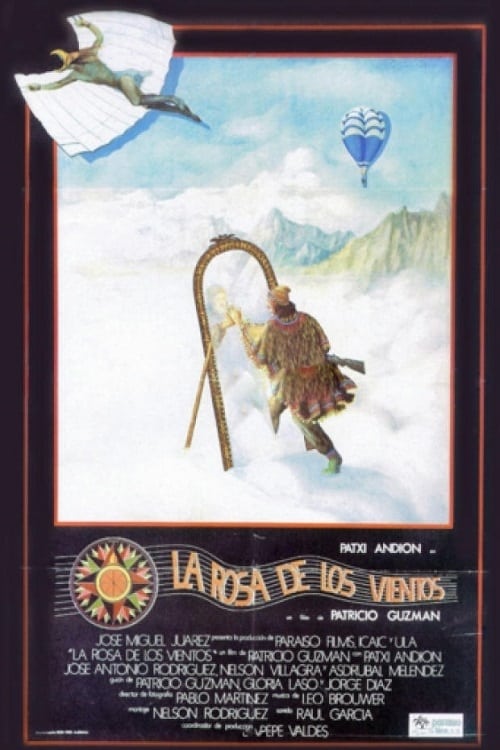
Exiled Chilean director Patricio Guzmán filmed in Cuba and in Venezuela to create this controversial statement on the creation and survival of Latin American culture from the late-15th century to the present. For some viewers, the film will be superficially symbolic and rhetorical, for others, it will be a strong and personal vision of several centuries of history.
The original title is "La rosa de los vientos" (ES).
The runtime is 84 minutes (1h 24m).
It was a co-production between: Cuba, Spain, Venezuela.
The film was directed by Patricio Guzmán.
The screenplay was written by Gloria Laso.
This title is listed on IMDb as tt0057461.

1990
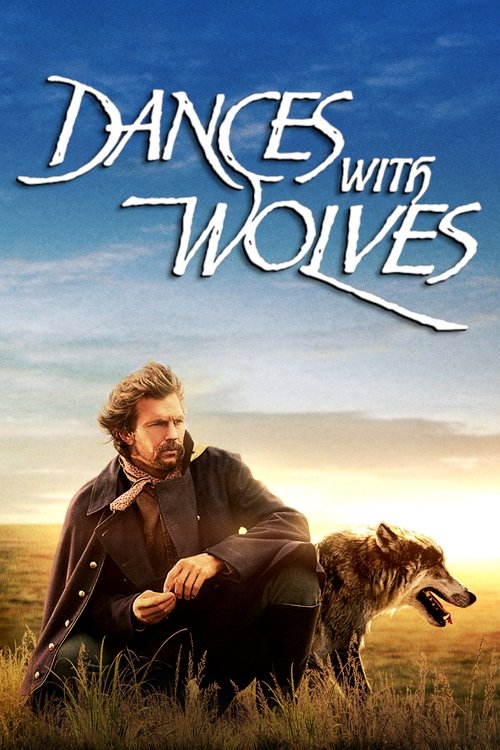
Wounded Civil War soldier John Dunbar tries to commit suicide—and becomes a hero instead. As a reward, he's assigned to his dream post, a remote junction on the Western frontier, and soon makes unlikely friends with the local Sioux tribe.

1973
A young priest is sent to an indigenous village in B.C. Canada, there he learns of faith and humanity, as he watches their culture being torn to shreds.

1968
In the latter half of the 19th century, gold is discovered in the Black Hills, sacred land of the Lakota people. Gold diggers, profiteers and adventurers flock to the region. Among them is the hard-hearted land speculator Bludgeon, who tries to expel the Lakota using brutal methods. Lakota warriors retaliate, and soon the gold diggers' town becomes a battlefield.

1992
1492: Conquest of Paradise depicts Christopher Columbus’ discovery of The New World and his effect on the indigenous people.

2009
In 1934 on the serene Navajo reservation, Mary Jane spends her time daydreaming and tending to her family's flock of sheep. When her older sister returns from boarding school with a world geography book, she reveals new worlds that are "just over the mountain." Conflicted by her obedient nature and her curious imagination, Mary Jane must privately decide to either maintain her lifestyle or depart into the exotic unknown.

1970
Jack Crabb, looking back from extreme old age, tells of his life being raised by Indians and fighting with General Custer.

2002
Based on a local legend and set in an unknown era, it deals with universal themes of love, possessiveness, family, jealousy and power. Beautifully shot, and acted by Inuit people, it portrays a time when people fought duels by taking turns to punch each other until one was unconscious, made love on the way to the caribou hunt, ate walrus meat and lit their igloos with seal-oil lamps.

2007
Beginning just after the bloody Sioux victory over General Custer at Little Big Horn, the story is told through two unique perspectives: Charles Eastman, a young, white-educated Sioux doctor held up as living proof of the alleged success of assimilation, and Sitting Bull the proud Lakota chief whose tribe won the American Indians’ last major victory at Little Big Horn.

1972
A young Native American, Abel has come home from war to find himself caught between two worlds. The first is the world of his father’s, wedding him to the rhythm of the seasons, the harsh beauty of the land, and the ancient rites and traditions of his people. But the other world—modern, industrial America—pulls at Abel, demanding his loyalty, trying to claim his soul, and goading him into a destructive, compulsive cycle of depravity and disgust. Adaption of N. Scott Momaday's Pulitzer Prize winning novel
Mixed
8 votes
La rosa de los vientos
Released
Español
Cuba, Spain, Venezuela