





Wong
Feb 5, 2016
Serious and moving but also with a bleaker than bleak Scandinavian sense of humor, "Rams" is so much its own film that figuring out where its unusual, unpredictable plot will end up is difficult if not impossible.
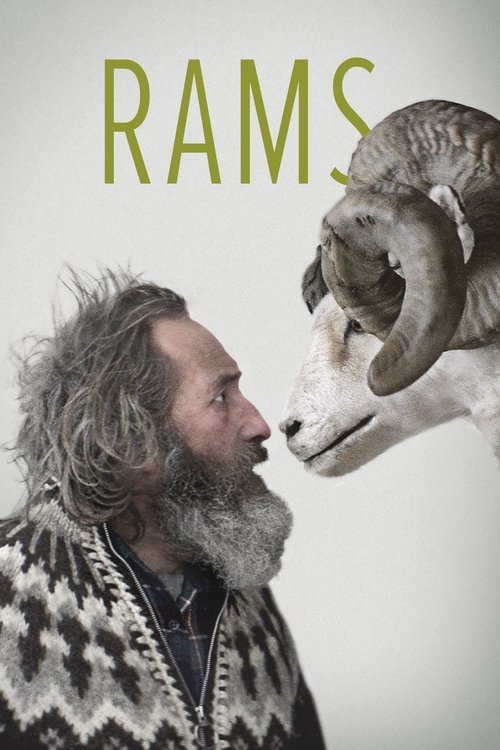
This winter get sheepish.
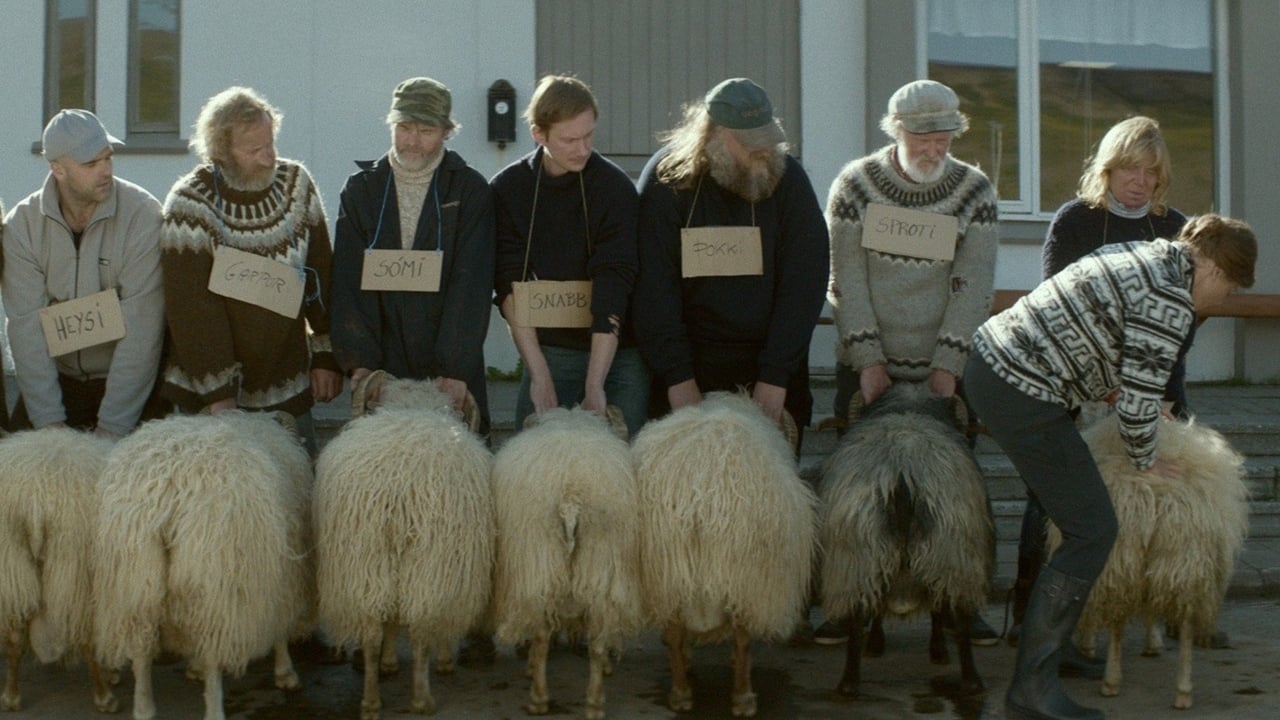
In a secluded valley in Iceland, Gummi and Kiddi live side by side, tending to their sheep. Their ancestral sheep-stock is considered one of the country’s best and the two brothers are repeatedly awarded for their prized rams who carry an ancient lineage. Although they share the land and a way of life, Gummi and Kiddi have not spoken to each other in four decades. When a lethal disease suddenly infects Kiddi’s sheep, the entire valley comes under threat. The authorities decide to cull all the animals in the area to contain the outbreak. But Gummi and Kiddi don’t give up so easily – and each brother tries to stave off the disaster in his own fashion: Kiddi by using his rifle and Gummi by using his wits.

Bjarni
Wong
Feb 5, 2016
Serious and moving but also with a bleaker than bleak Scandinavian sense of humor, "Rams" is so much its own film that figuring out where its unusual, unpredictable plot will end up is difficult if not impossible.
Frank Ochieng
Feb 20, 2016
Coldness and bleak does not just describe the weather conditions in rural Iceland where writer-director Grimur Hakonarson’s slice-of-life farming drama Rams (a.k.a. “Hrutar”) takes place. It can also apply to the distant brotherly relationship of the film’s two main protagonists and their lingering four decade-old estrangement. Surprisingly, it would take the critical conditioning of the obstinate siblings’ ailing livestock to bring them together in realizing the foundation of loss and emotional indifference. Thus, Rams secures its impacting quirkiness as an Icelandic fable about the reluctance of familial closeness and the self-interest of brooding brothers to begrudgingly come together and demonstrate care and commitment to the woolly wonders that unassumingly bind them at the hip in a time of business-oriented crisis. The premise finds brothers Gummi (Sigurdur Sigurjonsson) and older Kiddi (Theodor Juliusson) living side-by-side on their farming properties. They both take pride in dutifully breeding their sheep. In fact, Gummi and Kiddi routinely enter their sheep in the village’s “best ram” contest annually to find out who is superior in this regard. There is no question about the siblings’ competitive spirit when it come to showcasing their impressive ram for decorative display. The problem, however, is that Gummi and Kiddi have not spoken to one another for forty years despite their close proximity to one another and the mutual professional that they both share in sheep herding contests. Both Gummi and Kiddi are renowned for their excellence in producing top-notch sheep as their prize-winning rams are among the country’s best specimens imaginable. Importantly, the sheep represents more to the eye than just winning products of each isolated man’s benchmark livestock. In many ways the rams are their loyal companions and looked upon as filling a void for an otherwise lonely and alienating existence. Neither Gummi nor Kiddi has married or bore any offspring so the only thing of value that they have to show for is their farming identities and award-winning status at major community ram functions for sole bragging rights. Unfortunately, tragedy will strike the brothers both personally and professionally as a lethal disease infects Kiddi’s flock. The news of the crippling virus forces the authorities to declare that all sheep must be destroyed before the epidemic spreads further. Naturally, the news is devastating to Kiddi and Gummi as parting ways with their beloved beasts strikes a deeply saddened chord. What else can substitute for the brothers’ daily obligations of nurturing their four-legged “family members” once the sheep are gone? In short, this only escalates the loneliness of each brother’s dire predicament. Now what? The decision to eradicate the infested sheep in the territory not only has disillusioned Gummi and Kiddi but has pushed the panic button for all the farmers in the vicinity. Remember, the jeopardized rams are the reliable source of major income for these destitute farmers so the concern about survival and problematic profiting is a considerable worry to say the least. Sadly, these frustrated farmers have no choice but to abandon their precious lands in hope of rebounding elsewhere in the aftermath of this disastrous dilemma. Nevertheless, the brotherly duo become defiant doing what they must to preserve their vulnerable sheep as well as hold onto their exposed properties. The challenge of trying to hide whatever techniques they are applying to save the sickly rams from the intrusive authorities is daunting but extremely necessary in their hasty minds. The time to break the silence for Gummi and Kiddi is NOW as they must reconcile the existing indifference to rescue the constant element that has made their lives purposeful–the symbolic affection for the sheep that has always plugged out their disconnection towards one another. Hakonarson steadily builds the psychological tension in Rams and allows the audience to appreciate the emotional bridge that both Gummi and Kiddi have to cross in order to maintain their sense of self-worth and fragile stability. There are many things on the line here in this gentle revealing narrative beyond an outbreak of treasured livestock. Actually, it is the threatening outbreak that shines the cautionary light on the possible extinction of everything near and dear to a couple of old stubborn men set in their immobile ways. Sure, familial ties can be severely broken but on the other hand they can be restored because the concept of family should be solid regardless of the systematic cause for resentment and mental detachment. The actors are effectively believable as Sigurjonsson’s Gummi and Juliusson’s Kiddi aptly portray scruffy aging brothers saddled with deep-seeded malaise as the only passion they can muster up is their common obsession for catered love and devotion to their trusty creatures–something so foreign and fatalistic to them as blood relatives. Rams is quite moving although the featured angst of broken-heart brothers is not exactly what one would call meaty fodder for the soul. Still, Rams is convincing and relatable for those having difficulty in mending the fence for the genuine soul whose companionship and consideration you need the most at an uncertain time of quiet despair. Rams (2016) Cohen Media Group 1 hr. 32 mins. Starring: Charlotte Bøving, Sigurður Sigurjónsson, Theodór Júlíusson Directed by: Grímur Hákonarson MPAA Rating: R Genre: Drama/Foreign Critic's rating: ** 1/2 stars (out of 4 stars) (c) Frank Ochieng (2016) MPAA Rating: R
Reno
Apr 24, 2016
> It is more than just raising the livestock to them. Just a week ago I saw 'Fúsi' which was about an overweight person with the mind of a child. And now another excellent Icelandic movie that centres on the livestock farmers. One of the best movie about the farmers I have seen. It is not all about their farms, but the love and dedication towards their work. About the art of raising animals that passed through the generations who never abandoned their ancestral village to look for a better life somewhere else. But what happens when suddenly a great threat pose to their way of life that they all only known. That's what this film talk about. This story is about two brothers Gummi and Kiddi, who have not spoken for decades. They live next door to one another in a remote village raising sheep. When one theirs ram wins a prestigious regional contest, that lead to discover a fear of scrapie epidemic, a disease that might wipe out their local breeds. After this incident, the conflict between the brothers escalates further. So what happens after the entire village lose their business to a viral infection brings a dramatic ending to the story. This is the advantage of watching world cinemas. You will get a chance to learn a different culture and other unfamiliar stuffs. Nowadays Hollywood is about big budget and superhero movies. Small scale films like this are very occasion, but I'm missing nothing through my love to films around the globe. I love realism films, but still this film gives a cinematic experience with the beautiful interior landscapes of Iceland. Most of the film takes place in the winter, but all the important outdoor sequences came prior to that season. Still the second half is the best part of the storytelling. After all Iceland without ice/snow is unimaginable. > "If we've scrapie in the valley, we're screwed." The story has a small twist in the halfway mark, that you could see it coming. But the third act was so awesome, because the pace picks up and brings the unexpected ending. Yet, I was little disappointed the way it concluded. I like the details, I don't always like understandable phrase in a film's ending. Those things are effective for the movies that going have a sequel. So what I meant is the end should have been a bit more specific about what actually happens. If it is about the brothers, not the livestock, then the theme is slightly misleading with all the developments. I was tempted to rate it close to maximum, like as I said the finale took away the fractions of my 'like' towards this wonderful drama. The lead actor from the 'Virgin Mountain' can be seen in a tiny role in a couple of scenes. I've heard the ram that acted in this called Garpur was credited, but it was not like any special performance. The movie was very slow, but I like this kind of narration when a story demands its own time to bring anything it wanted to tell on its own perfect way. There are scenes with some dark humours, so it is a semi tragicomedy. The initial parts, maybe the first act looks like an ordinary rural narration, but if you learn about the story and its character prior to your watch then you might feel comfortable with the pace. This film was sent to the recently concluded Oscars to represent Iceland, but failed to make into the ultimate round. Forget the American Academy Awards, this is still an excellent movie. I won't hesitate to suggest it to you all, it is a dull start, but you would feel worth watching it in the end. 8/10
The film's tagline is: "This winter get sheepish."
The original title is "Hrútar" (IS).
The runtime is 93 minutes (1h 33m).
It was a co-production between: Denmark, Iceland, Norway, Poland.
The film was directed by Grímur Hákonarson.
The screenplay was written by Grímur Hákonarson.
The score was composed by Atli Örvarsson.
Cinematography was handled by Sturla Brandth Grøvlen.
This title is listed on IMDb as tt3296658.
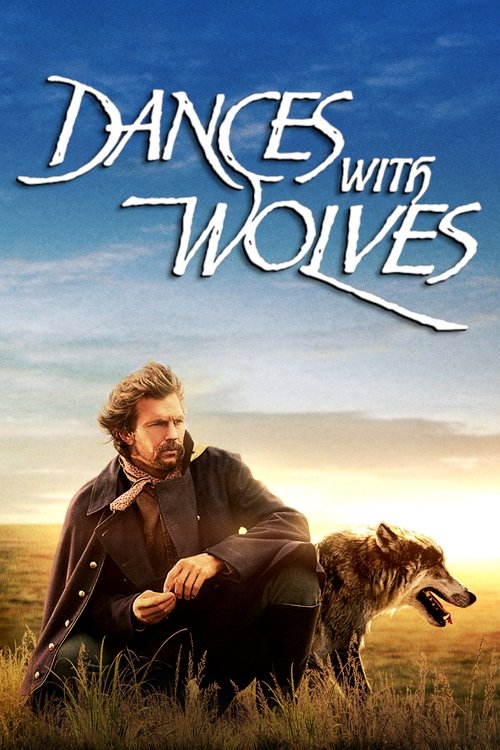
1990
Wounded Civil War soldier John Dunbar tries to commit suicide—and becomes a hero instead. As a reward, he's assigned to his dream post, a remote junction on the Western frontier, and soon makes unlikely friends with the local Sioux tribe.
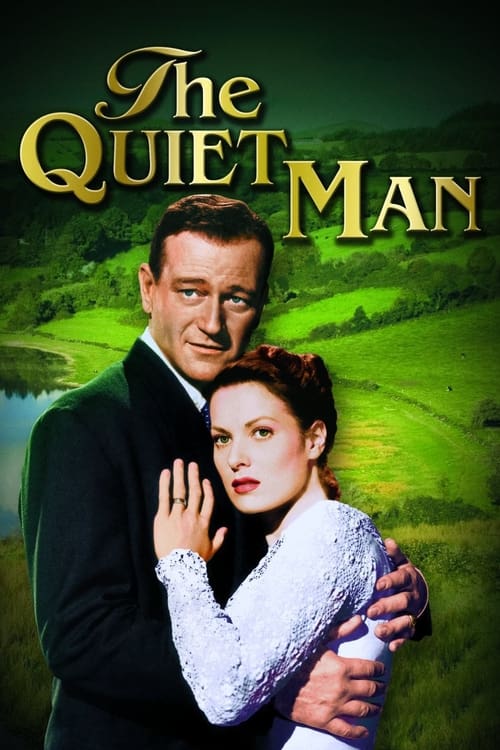
1952
An American man returns to the village of his birth in Ireland, where he finds love and conflict.
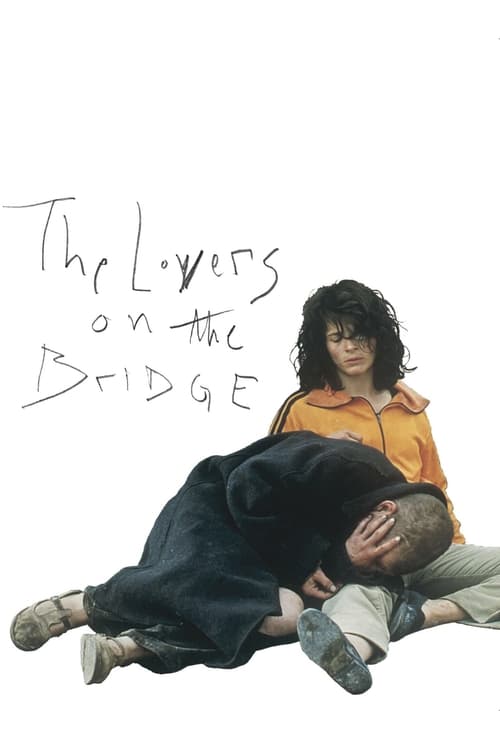
1991
Set against Paris' oldest bridge, the Pont Neuf, while it was closed for repairs, this film is a love story between two young vagrants: Alex, a would be circus performer addicted to alcohol and sedatives and Michele, a painter driven to a life on the streets because of a failed relationship and an affliction which is slowly turning her blind.
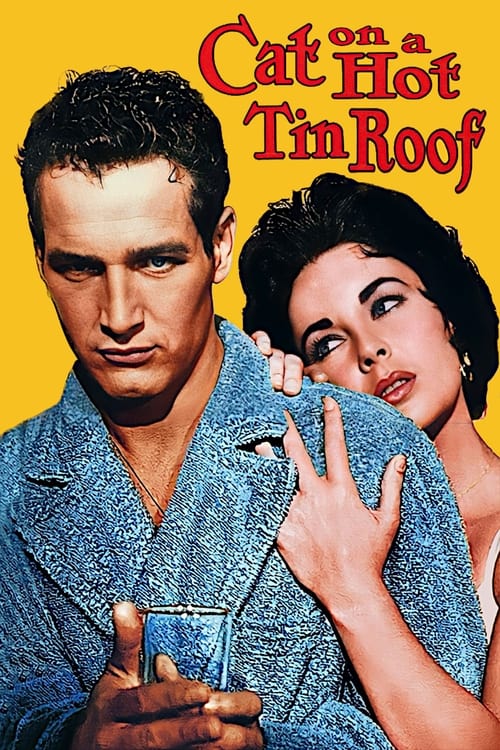
1958
An alcoholic ex-football player drinks his days away, having failed to come to terms with his sexuality and his real feelings for his football buddy who died after an ambiguous accident. His wife is crucified by her desperation to make him desire her: but he resists the affections of his wife. His reunion with his father—who is dying of cancer—jogs a host of memories and revelations for both father and son.
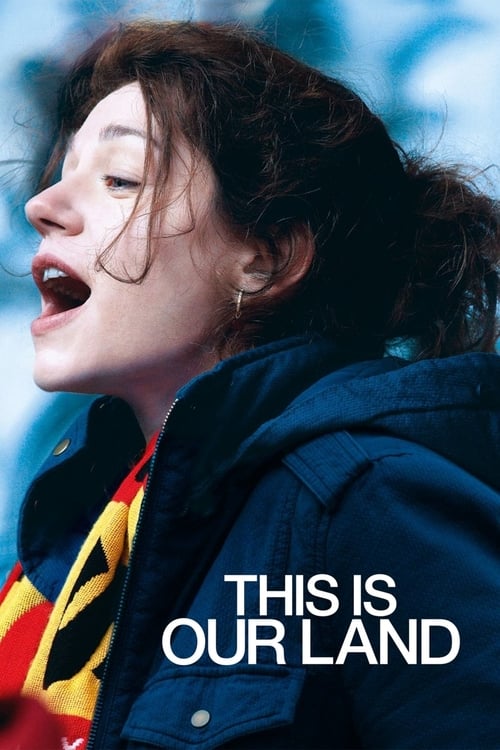
2017
Pauline, a devoted and generous home help nurse, raises her two children alone, while also looking after her father, a former steelworker. Taking advantage of her popularity, the directors of an extremist political party suggest she become their candidate at the mayoral elections.
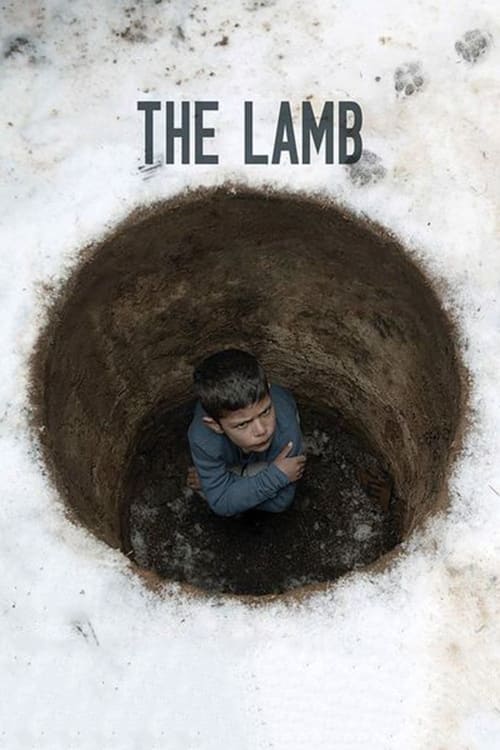
2014
In a small village, young Mert is about to get traditionally circumcised, but the family does not have the money to follow up with the circumcision celebration. The family wants to be able to serve lamb meat to the guests at the celebration. Mert’s older sister scares him that if they cannot afford a lamb the father will slaughter him instead.
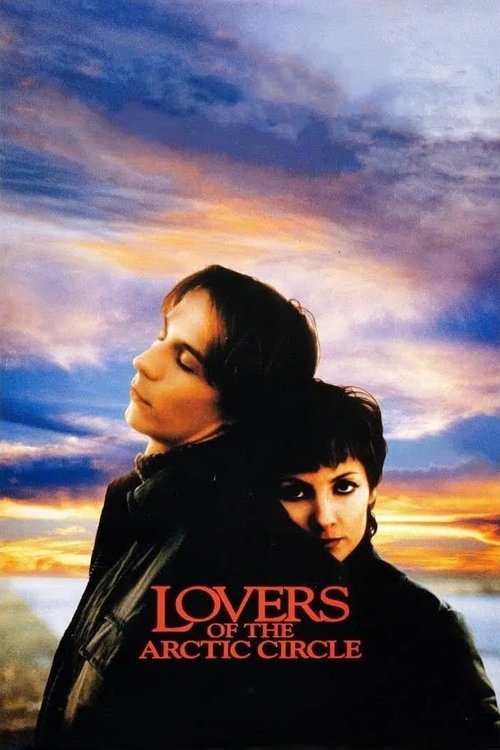
1998
As young children, Otto and Ana become best friends, leading to the marriage of Ana's mother to Otto's father. When Otto and Ana become teenagers, they begin a sexual relationship, which they hide from their parents. The two fall deeply in love and seem destined to spend the rest of their lives together. However, their relationship is tested when Otto's mother dies and the two are separated.
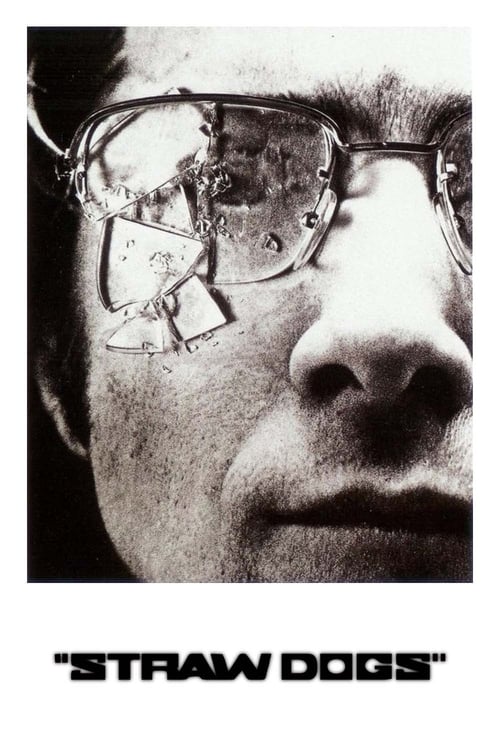
1971
David Sumner, a mild-mannered academic from the United States, marries Amy, an Englishwoman. In order to escape a hectic stateside lifestyle, David and his wife relocate to the small town in rural Cornwall where Amy was raised. There, David is ostracized by the brutish men of the village, including Amy's old flame, Charlie. Eventually the taunts escalate.
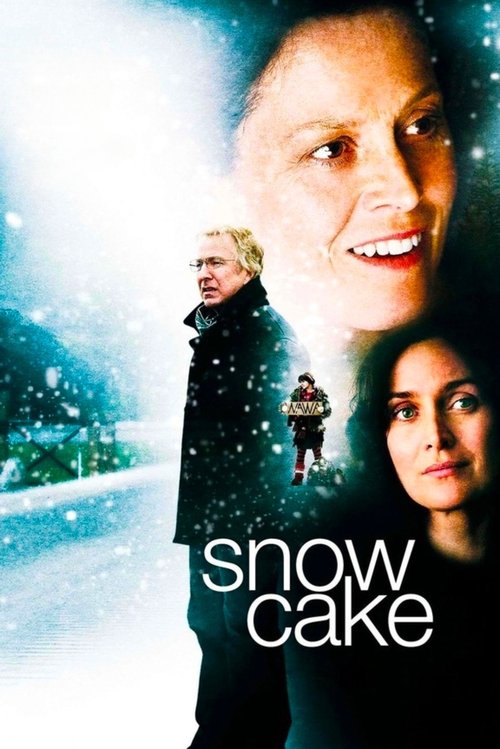
2006
A drama focused on the friendship between a high-functioning autistic woman and a man who is traumatized after a fatal car accident.
Good
299 votes
Critic avg. 8.0 (1 reviews)
Review score distribution
Hrútar
Released
R
Íslenska
Denmark, Iceland, Norway, Poland