RACETRACK is about the Belmont Race Track, one of the world's leading race tracks for thoroughbred racing. The film highlights the training, maintaining and racing of thoroughbred horses. Everyday occurrences are shown: in the backstretch — the grooming, feeding, shoeing, and caring for horses and the preparation for races; at the practice track the various aspects of training, exercising, and timing the horses; at the paddock — the pre-race presentation of the horses; and in the grandstand — betting and watching the races. The film also has sequences showing the variety of work done by trainers, jockeys, jockey agents, grooms, hot walkers, stable hands, and veterinarians.
The runtime is 114 minutes (1h 54m).
The film was directed by Frederick Wiseman.
Cinematography was handled by John Davey.
This title is listed on IMDb as tt0089873.

1922
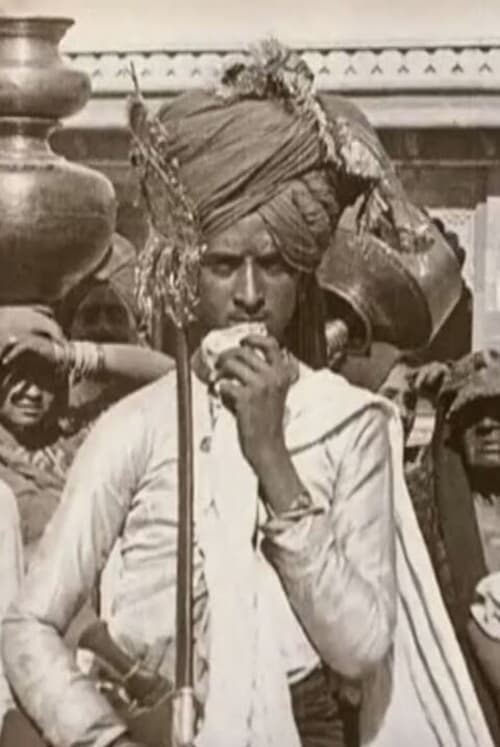
The future Edward VIII visits his Empire, with Indian royalty, elephants, palaces and temples.

1921
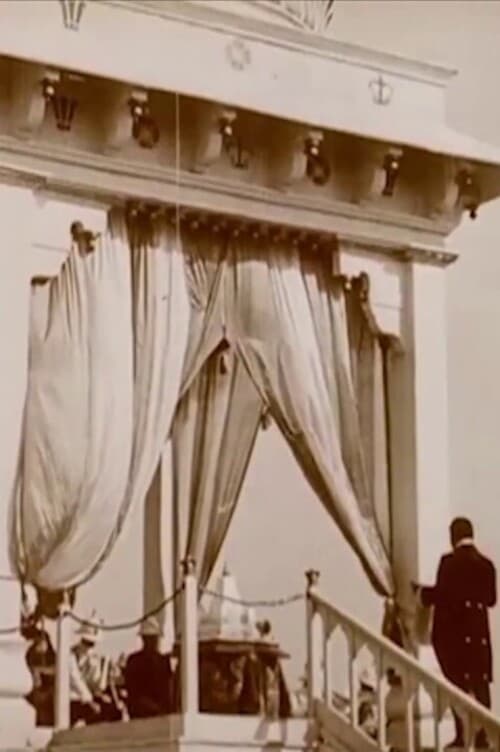
The future Edward VIII opens a durbar and enjoys a day at the races before inspecting the fire brigade in Calcutta.

2015
The larger than life true story of how a barmaid in a poor Welsh mining village convinces some of her fellow residents to pool their resources to compete in the "sport of kings" with a racehorse they would breed and raise.
2010
Miniseries looking at Barbados through the lives of the island's horse racing community.

1964
Barred from racing for breaking stride, a trotting horse finds a new career as a police officer's mount in Boston.

2018
A fearless horse bonds two men to each other and to the traditions that define their community.

2022
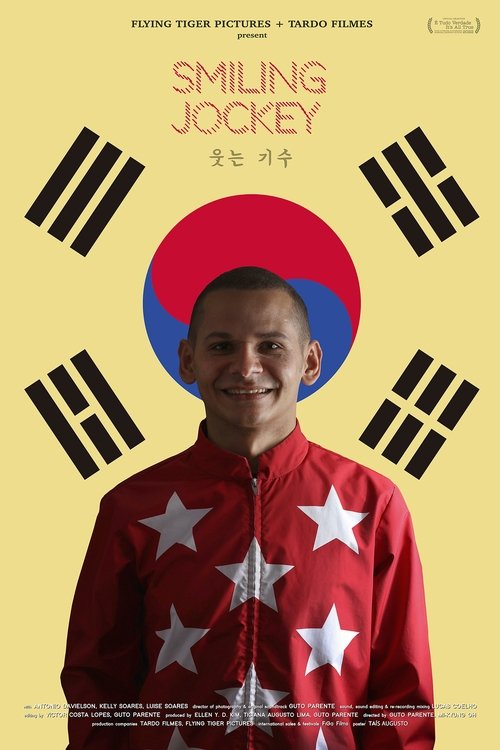
The challenging daily routine of Ceará-born jockey Antonio Davielson and his family living in a foreign country on the other side of the planet.

1950
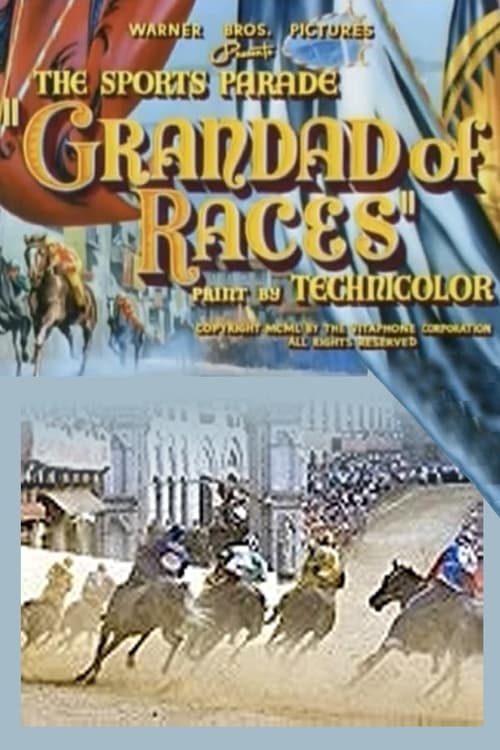
Grandad of Races is a 1950 American short documentary film about the Palio di Siena held in the Piazza del Campo in Siena, directed by André de la Varre. It won an Oscar at the 23rd Academy Awards in 1951 for Best Short Subject.

2016
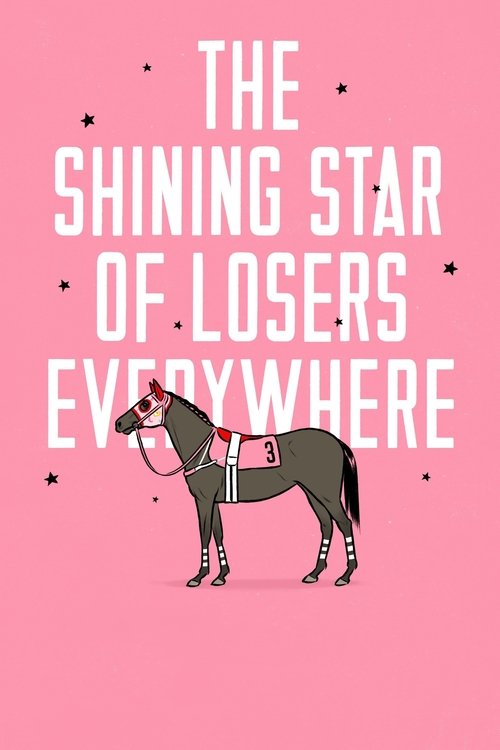
In Japanese, Haru Urara means “Glorious Spring.” But as this 30 for 30 Short, directed by Mickey Duzyj, makes delightfully clear, the name means a great deal more to the Japanese people. Haru Urara was a thoroughbred mare who never won a race. She first came to the public’s attention after her 88th straight loss at troubled Kochi Racetrack, then picked up more and more supporters with each defeat. With her pink Hello Kitty patches, she became a symbol of hope in Japan. And though she never did win, Haru Urara did accomplish something greater: she saved the racetrack.
Average
9 votes
Racetrack
Released
English
United States of America