Poliuto
2015•1h 59m•
★0.0(0 ratings)
Music
Overview
New production. UK professional premiere May 21, 2015. Live from Glyndebourne.
Director
Mariame ClémentWriters
Watchlist
Main Cast

Full Crew
Direction
- Director: Mariame Clément
Writing
- Original Story: Pierre Corneille
- Writer: Salvadore Cammarano
Music & Sound
- Music Director: Enrique Mazzola
- Original Music Composer: Gaetano Donizetti
Keywords
operaopera live performance
Did You Know?
#1
The runtime is 119 minutes (1h 59m).
#2
The film was directed by Mariame Clément.
#3
The screenplay was written by Salvadore Cammarano.
#4
The score was composed by Gaetano Donizetti.
Similar Movies
The Metropolitan Opera: Aida
2012
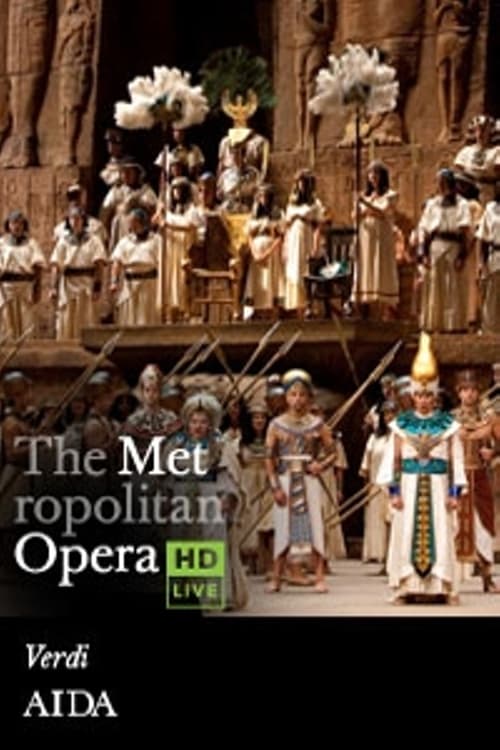
The Met’s spectacular production of Verdi’s Egyptian epic captures both the grandeur and the intimacy of this powerful tale of love and politics. Liudmyla Monastyrska is Aida, the Ethiopian princess-turned-slave in love with the Egyptian warrior Radamès, sung by Roberto Alagna. Olga Borodina is her rival, Amneris, daughter of the Pharao, and George Gagnidze sings Aida’s father, Amonasro, the King of Ethiopia. Principal Conductor Fabio Luisi is on the podium.
Strauss: Elektra
1980
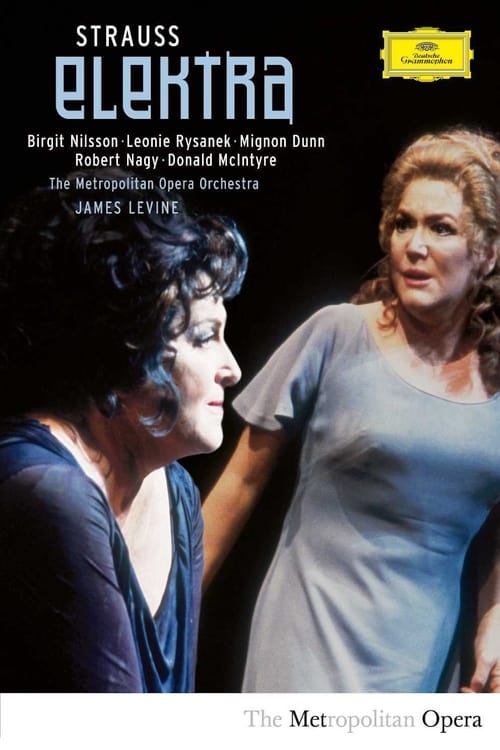
It's hard to imagine confirmed Straussians not wanting this starry Metropolitan Opera performance of Elektra. Strauss and his librettist, Hugo von Hofmannstahl, transformed Sophocles' take on Homer's tale into a harrowing opera noir. Elektra lives for one reason, to kill her mother, Klytämnestra, and her stepfather, Aegisth, the murderers of her father, Agamemnon. In contrast to Elektra's vengeful obsession, her sister Chrysothemis desires to get on with life. When their long-missing brother, Orestes, returns to do the deed, Elektra celebrates with a dance of death and, her sole purpose in life fulfilled, dies. Strauss joined the hermetic plot to music of the utmost opulence, violent and yearning by turns, evoking the cardinal principles of Greek tragedy - pity and terror.
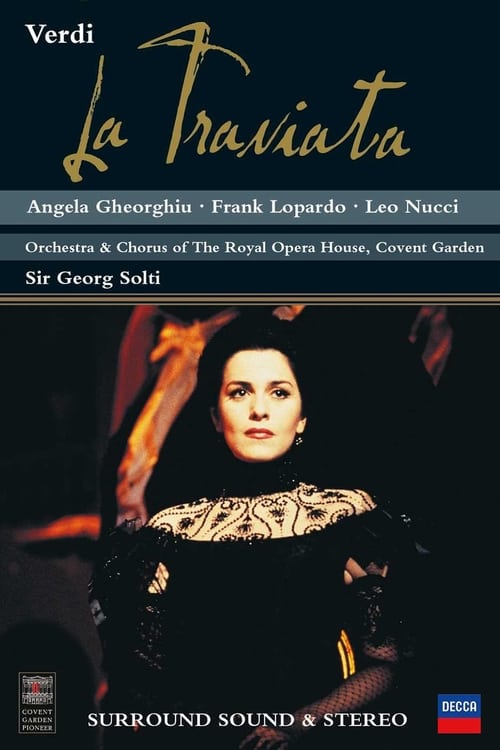
La Traviata
2001
La traviata (Italian: [la traˈviaːta], "The Fallen Woman"[1][2]) is an opera in three acts by Giuseppe Verdi set to an Italian libretto by Francesco Maria Piave. It is based on La dame aux Camélias (1852), a play adapted from the novel by Alexandre Dumas, fils. The opera was originally entitled Violetta, after the main character. It was first performed on 6 March 1853 at the La Fenice opera house in Venice. Piave and Verdi wanted to follow Dumas in giving the opera a contemporary setting, but the authorities at La Fenice insisted that it be set in the past, "c. 1700". It was not until the 1880s that the composer and librettist's original wishes were carried out and "realistic" productions were staged.[3]
Rating
0.0/10
Poor
0 votes
Movie Information
Original Title:
Poliuto
Status:
Released
Language:
Italiano
Country of Origin:
United Kingdom