Winner of Cinequest and Vermont Film Festivals and the American Cinema Editors Eddy Award for Best Edited Documentary.
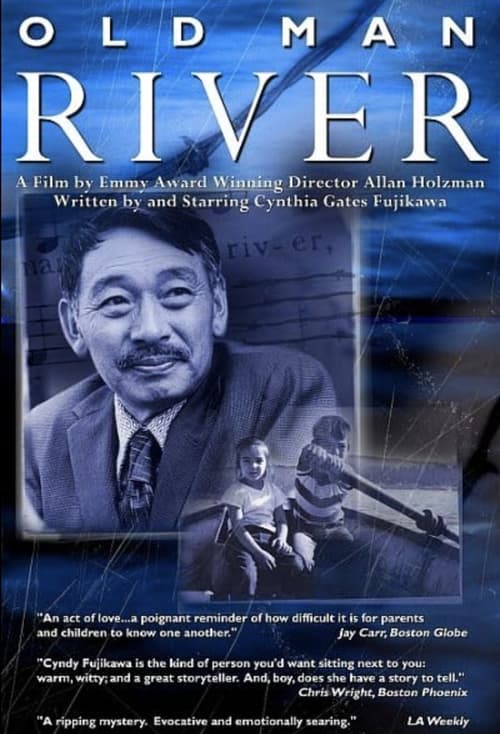
Documentary film version of the stage show in which actress Cynthia Gates Fujikawa explores the story of her father, actor Jerry Fujikawa, who had a long career in films and television, most often as a stereotyped Asian. The daughter, in the course of searching out her late father's history, discovers many things that she had not known, among them that her father had spent time in Manzanar, the internment camp for Japanese-Americans during World War II, that he had had a family prior to hers, and that somewhere out there was a sister she had never known existed.
The film's tagline is: "Winner of Cinequest and Vermont Film Festivals and the American Cinema Editors Eddy Award for Best Edited Documentary."
The production budget was $5.0K.
The runtime is 74 minutes (1h 14m).
The film was directed by Beth Schachter.
The screenplay was written by Cynthia Gates Fujikawa.
Cinematography was handled by Allan Holzman.
This title is listed on IMDb as tt0220678.
2000
Made famous by the 1957 Hollywood movie, the bridges of the River Kwai emblematize one of the most misunderstood events in history. Contrary to the romanticized film version, the structures represent a period of terror, desperation, and death for over 16,000 POWs and 100,00 local slaves. The Thailand - Burma Railway was the vision of the Japanese Imperial Army: a 250-mile track cut through dense jungle that would connect Bangkok and Rangoon. To accomplish this nearly impossible feat, the fanatical and ruthless Japanese engineers used POWs and local slaves as manpower. Candid interviews with men who lived through the atrocity - including Dutch, Australian, British, and American POWs - illuminate the violence and horror of their three-and-a-half-year internment. From Britain's surrender of Singapore the enduring force of friendship, The True Story Of The Bridge On The River Kwai narrates a moving and unforgettable account of a period in history that must be remembered.

2020
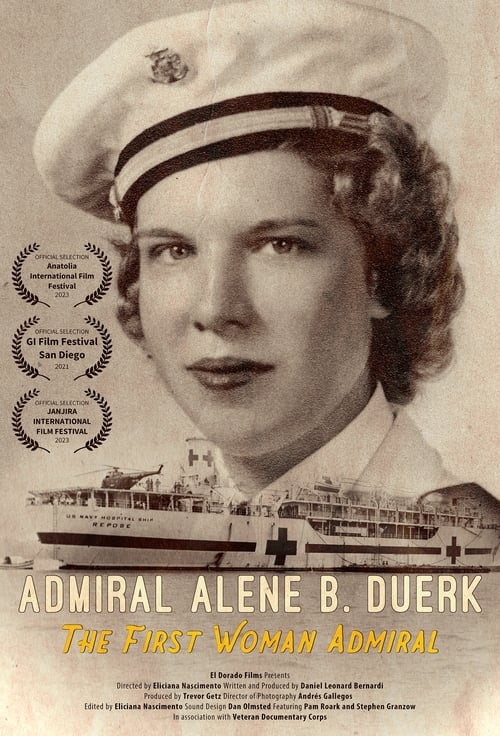
Following the tradition of military service in her family, Alene Duerk enlisted as a Navy nurse in 1943. During her eventful 32 year career, she served in WWII on a hospital ship in the Sea of Japan, and trained others in the Korean War. She became the Director of the Navy Nursing Corps during the Vietnam War before finally attaining the rank of Admiral in the U.S. Navy. Despite having no other women as mentors (or peers), Admiral Duerk always looked for challenging opportunities that women had not previously held. Her consistently high level of performance led to her ultimate rise to become the first woman Admiral.

2000
A remarkable film that takes a special look at the first war to be truly reported and recorded by one of the more unsung heroes of World War II: the combat photographer. Through the unflinching eye of their camera's lenses, these courageous soldiers continually risked their lives in their brave attempts to capture history.

2019
To commemorate the 75th anniversary of D-Day, this special presents the key events of the Allied invasion of Nazi-held Europe and the subsequent battles that captured the control of the Normandy coast. Some of the last surviving veterans recall in detail the terror, patriotism and drama from the frontlines of war. This special also honors the diverse backgrounds of all who served.

2022
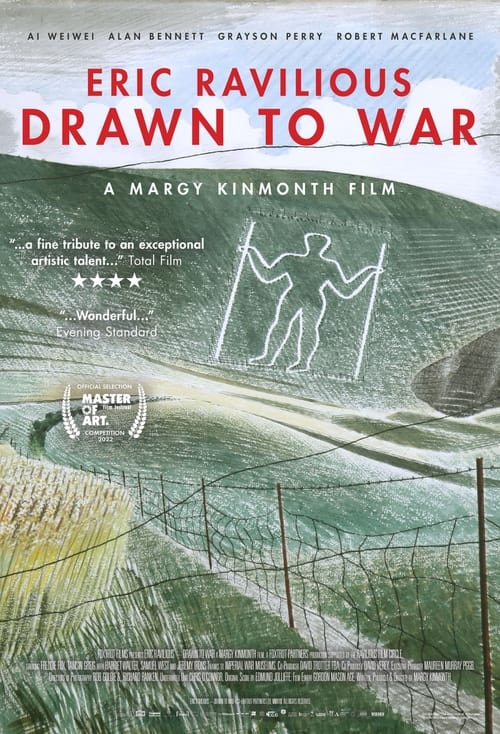
One of Britain’s greatest landscape artists, Eric Ravilious, is killed in a plane crash while on commission as Official War Artist in Iceland in 1942. His life is as compelling and enigmatic as his art, set against the dramatic wartime locations that inspire him. This film brings to life this unique and still grossly undervalued British artist caught in the crossfire of war 80 years ago, whose legacy largely sank without trace, until now…

1997
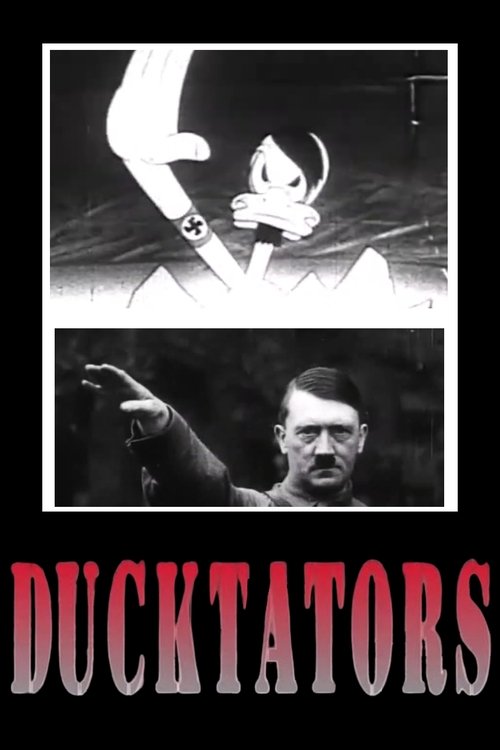
Documentary about WWII propaganda cartoons.

2013
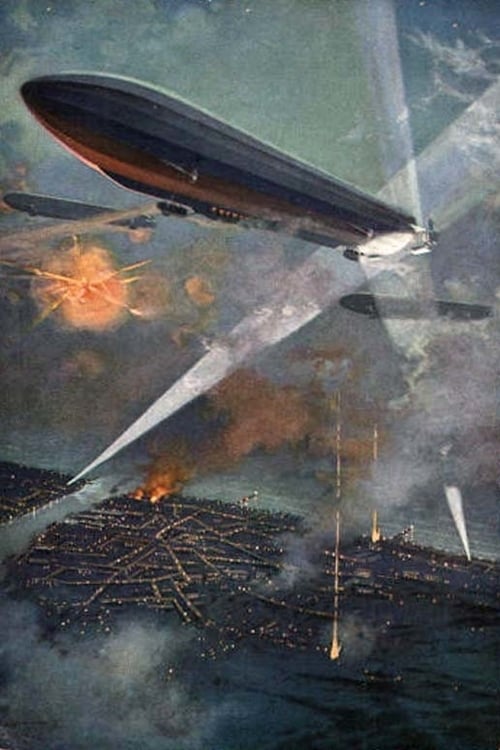
Engineer Dr Hugh Hunt revisits the little-known story of the First World War's Blitz, when the Zeppelin waged an 18-month terror campaign on the people of London.

2013
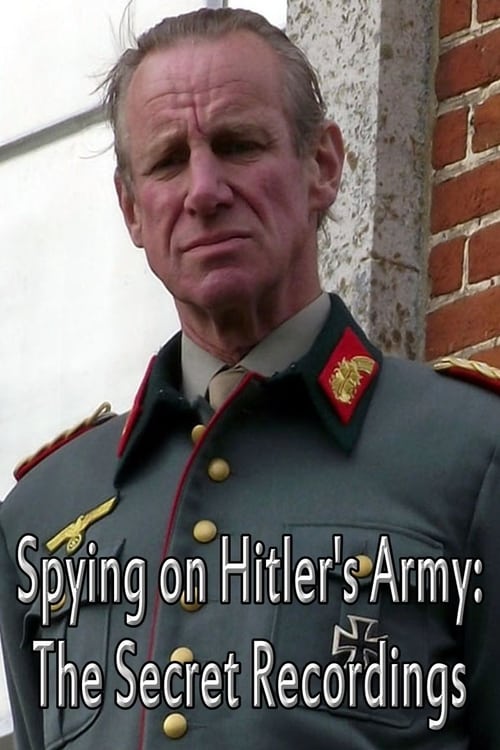
British intelligence undertook an audacious operation to listen in on the private conversations of 10,000 German prisoners of war without their ever knowing they were being overheard. The prisoners' unguarded reminiscences and unintentional confessions have only just come to light, and prove how closely the German army were involved in the atrocities of the Holocaust. British intelligence requisitioned three stately homes for this epic task, and converted each into an elaborate trap. The 100,000 hours of conversation they captured provided crucial intelligence that changed the course of the war, and revealed some of its worst horrors, from rape to mass executions to one of the earliest bulletins from the concentration camps. But when the fighting ended, the recordings were destroyed and the transcripts locked away for half a century. Only now have they been declassified, researched and cross-referenced.

1995
This is a rare look at one of the worst horror stories in the long infamous history of warfare. This series features captured German and Russian film footage, much of which has never been seen before. For decades the Cold War prevented us from looking closely at what really happened between the Russians and the Germans on the Eastern Front during World War II. More than a struggle between nations, it pitted maniacal tyrant against maniacal tyrant, evil ideology against evil ideology. The lives of tens of millions of human beings were consumed by its raging hatreds and appalling indignities. One in every ten Russians died. One in every four Poles died. Whole divisions of Italians, Romanians, Hungarians disappeared with barely a trace. An average of 17,800 people died on every single day and this, the war on the Russian German Front, lasted for 1,400 days. This series features captured German and Russian film footage, much of which has never been seen before.
Masterpiece
2 votes
Old Man River
Released
English
United States of America
$5,000