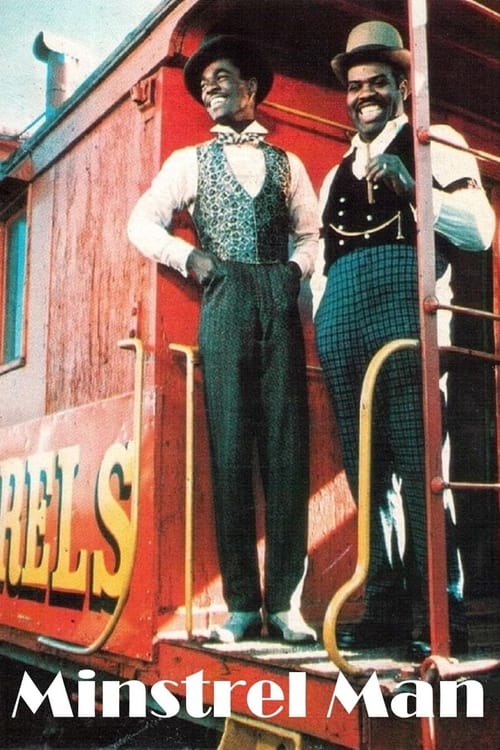
Two black brothers in a traveling minstrel show in the early part of the twentieth century have two different goals. One brother is determined to succeed in a field that is dominated by white performers in blackface, and the other is a composer fighting to break away from the stereotypes associated with black minstrel performers.
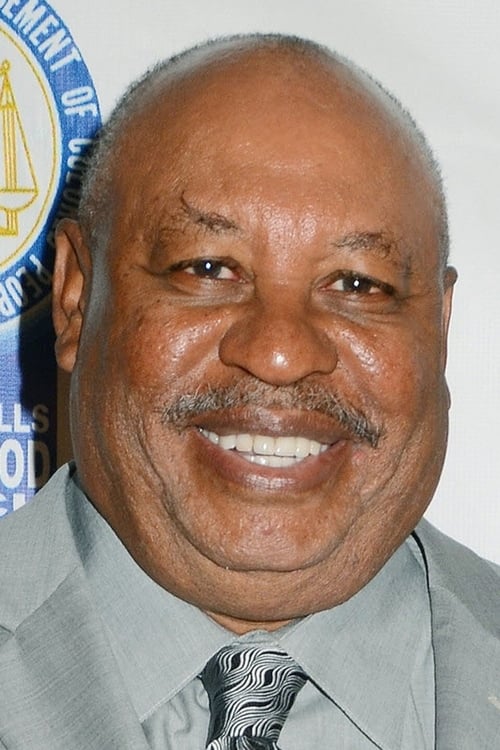
Harry Brown Sr. - Fat Man
The runtime is 100 minutes (1h 40m).
The film was directed by William A. Graham.
The screenplay was written by Esther Shapiro and Richard Alan Shapiro.
The score was composed by Fred Karlin.
This title is listed on IMDb as tt0076393.

2000
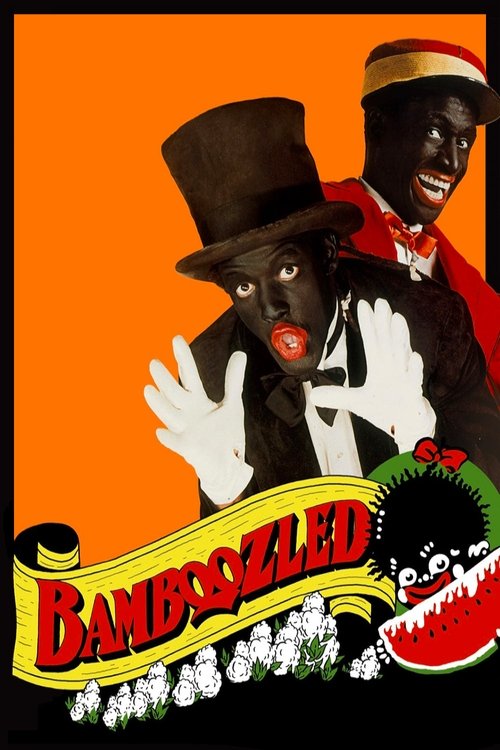
Frustrated when network brass reject his sitcom idea, producer Pierre Delacroix pitches the worst idea he can think of in an attempt to get fired: a 21st century minstrel show. The network not only airs it, but it becomes a smash hit.

1929
A songwriter leaves his chorus girl sweetheart to join the US Army in WWI. In France he falls in love with French singer Madelon. He is crippled in action. Back in the States, his girl friend there leaves him. But Madelon can't forget him and comes to the USA to work there as singer. Per chance she meets the songwriter, and he is cured. Singing one of his love songs, he knows that he has found the right girl.

1942
At the end of the 15th century, a man and a woman, posing as traveling minstrels, are sent by the Devil to a castle to seduce its inhabitants.

1930
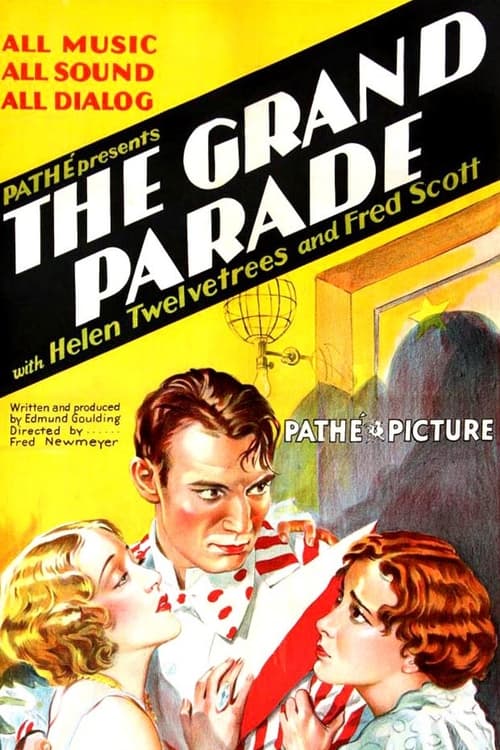
No one suffered more magnificently in the early-talkie era than the inimitable Helen Twelvetrees. In Grand Parade, the actress is cast as Molly, the sweetheart of minstrel-show performer Jack Kelly. Rising to the top of his profession, Kelly plummets to the bottom thanks to his fondness for intoxicating beverages. Molly nurses and coddles Kelly back to health, giving nary a thought for her own comfort or happiness.

2023
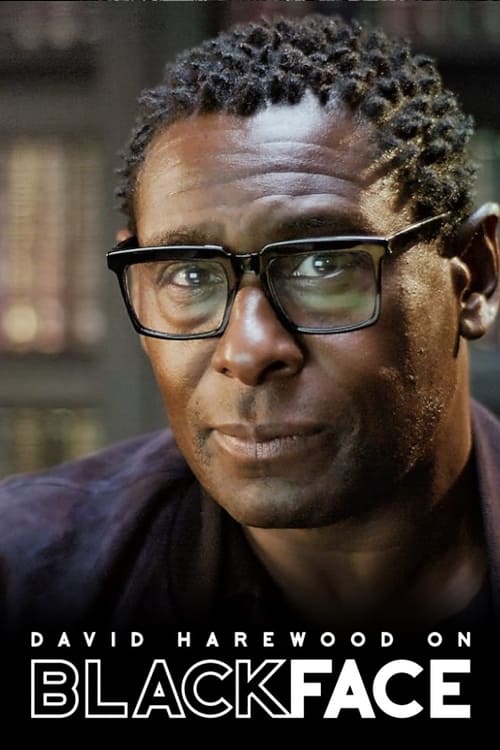
At its peak, The Black and White Minstrel Show was watched by a Saturday night audience of more than 20 million people. David Harewood goes on a mission to understand the roots of this strange, intensely problematic cultural form: where did the show come from, and what made it popular for so long? With the help of historians, actors and musicians, David uncovers how, at its core, blackface minstrelsy was simply an attempt to make racism into an art form - and can be traced back to a name and a date.

1939
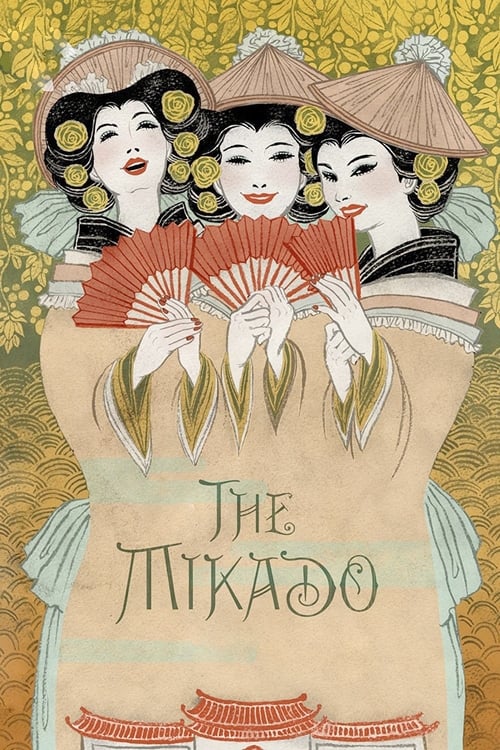
In a small Japanese town, Ko-Ko is appointed to the unenviable position of executioner. Knowing he must successfully perform before the appearance of the Mikado in a month's time, Ko-Ko finds a suitable victim in Nanki-Poo, who is distraught over his unrequited love for the maiden Yum-Yum. Nanki-Poo agrees to sacrifice his life if he is allowed to spend his remaining days with Yum-Yum, who is betrothed to Ko-Ko.

1941
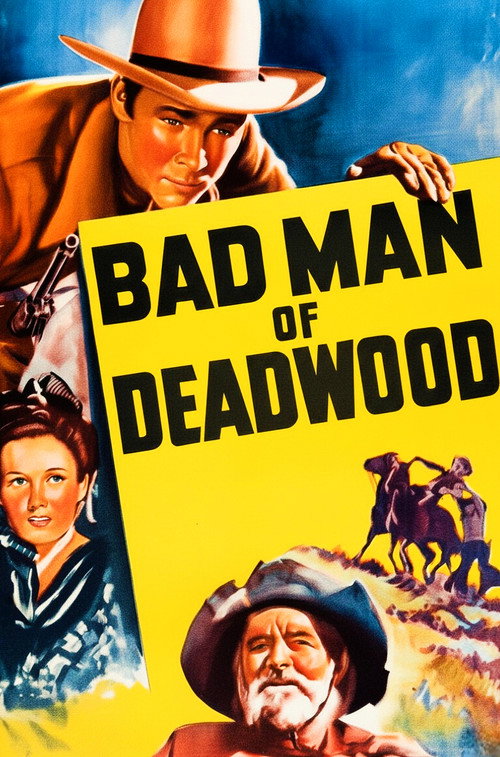
Roy and Gabby fight bad guys to save the town of Deadwood.

1951
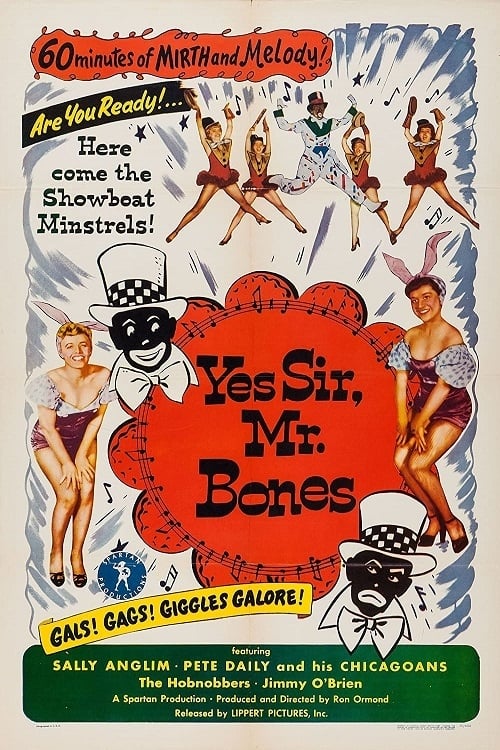
A young boy finds himself in a home for retired minstrel acts. He's anxious to find out as much as he can about them, and flashbacks show what it was like back in the days of the minstrel shows.

1930
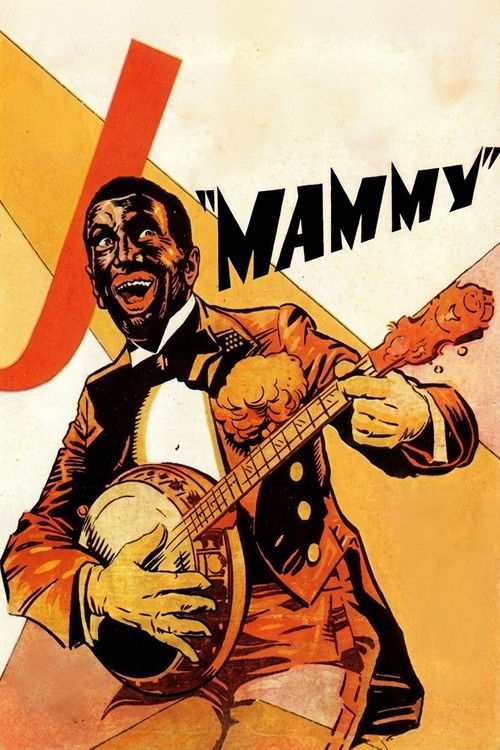
Mammy features Al Jolson as the star of a travelling minstrel show, appearing in cities and towns across the U.S. Jolson falls in love with an actress in the troupe (Lois Moran), but she loves another (Lowell Sherman). Sherman is shot onstage as part of a comedy bit, and it is assumed that Jolson is guilty of putting the bullet in the gun.
Poor
0 votes
Minstrel Man
Released
English
United States of America