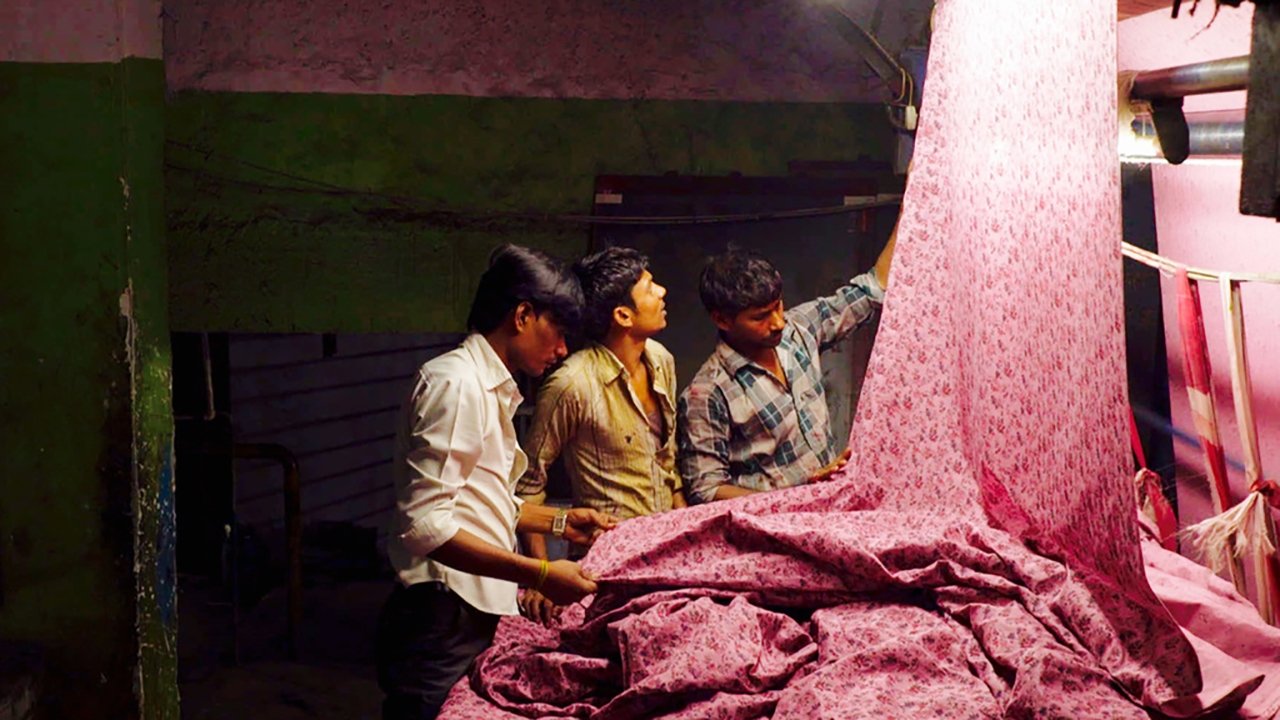
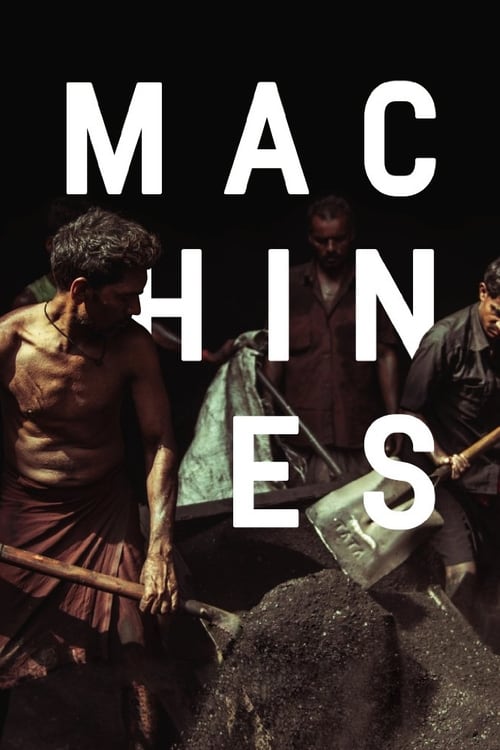

This portrayal of the rhythm of life and work in a gigantic textile factory in Gujarat, India, moves through the corridors and bowels of the enormously disorienting structure—taking the viewer on a journey of dehumanizing physical labor and intense hardship.
The runtime is 71 minutes (1h 11m).
It was a co-production between: Finland, Germany, India.
The film was directed by Rahul Jain.
Cinematography was handled by Rodrigo Trejo Villanueva.
This title is listed on IMDb as tt5690244.

2019
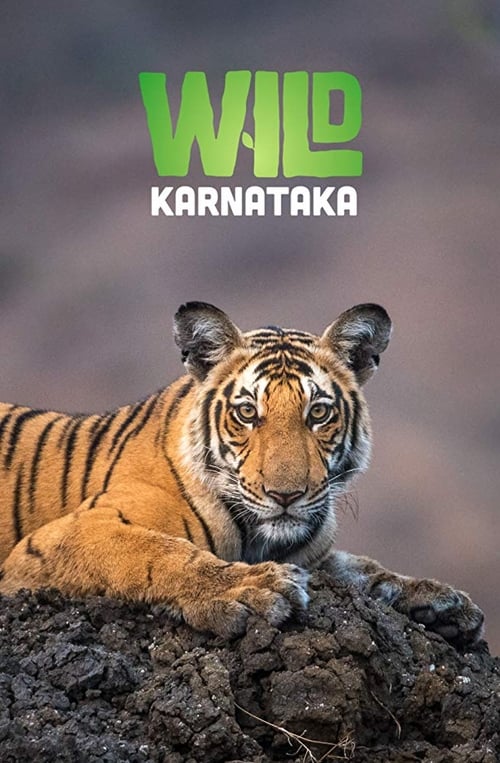
An unprecedented UHD film on Karnataka's rich biodiversity narrated by David Attenborough. Portraying the state with highest number of tigers and elephants using the latest technology - a masterpiece showcasing the state, its flora, fauna.

1998
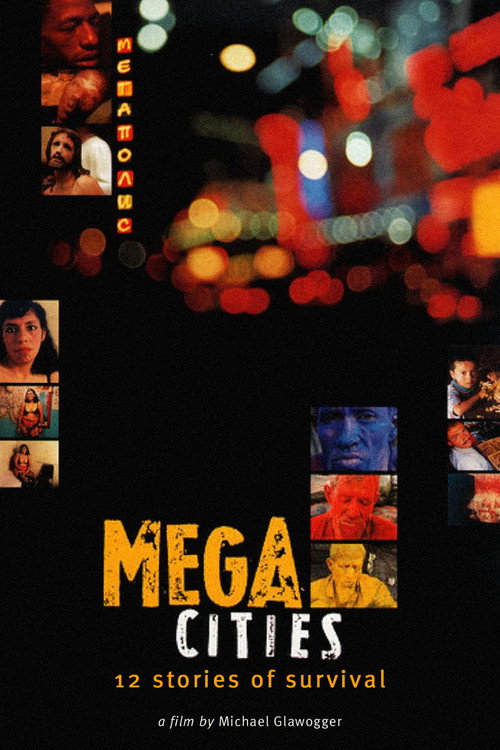
Megacities is a documentary about the slums of five different metropolitan cities.

1938
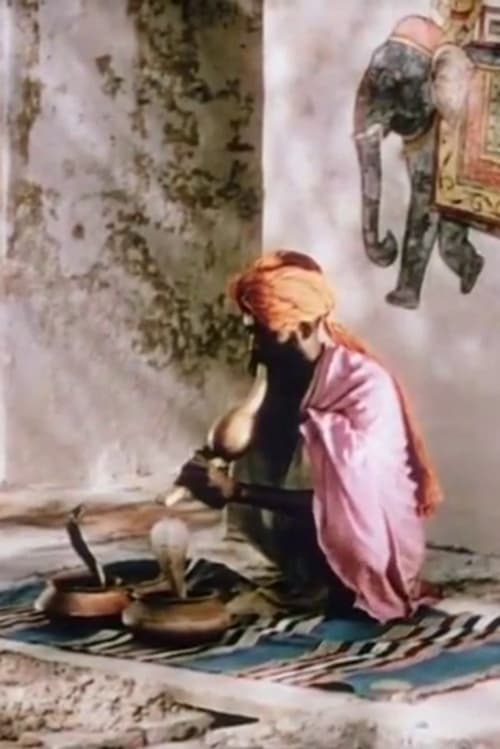
Life on the road in India, showing the traffic, people and animals.

1971
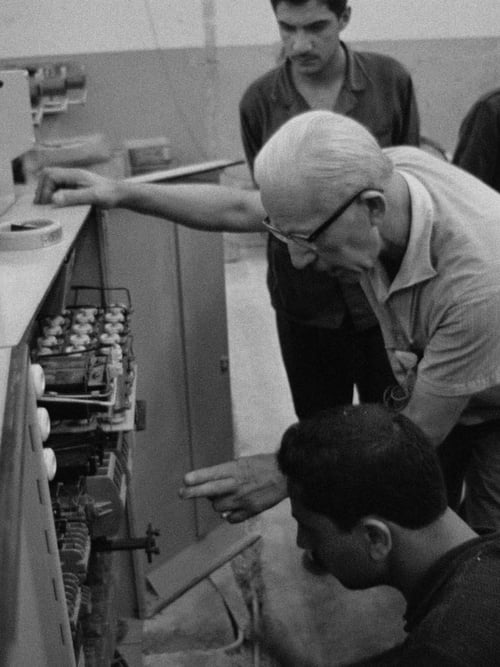
The film is a reportage showing the help of workers from the GDR in the industrial reconstruction of Syria. We witness the friendly relationship between workers from both countries, who are jointly involved in the construction of the cotton spinning mill in Homs. In impressive pictures the exoticism of the environment and the mentality of the Syrian hosts is shown. At the same time it becomes clear that the workers from the GDR become 'ambassadors of the GDR' through their collegial behaviour and good work.

2012
Dalits, in the Indian caste system, belong to the lowest social sphere and are therefore subject to regular discrimination and violation of their basic human rights. Also referred as “untouchables,” this group was vindicated by B. R. Ambedkar, a Dalit who earned doctorate degrees abroad and fought for the emancipation of his people. In 1997 a statue honoring him was desecrated, unleashing the rage of the Dalit community, but instead of getting support by the authorities, ten persons were murdered. This documentary took 14 years to be made and it captures the music and poetry of this people, showing a tradition against superstition and religious bigotry that has strived since the times of Buddha.

1935
Amateur film of a road trip through northeastern India, showing traditional dances and a gigantic flower float.

1938
Hindu temples at Benares and Belur and the mythologies associated with them.

1895
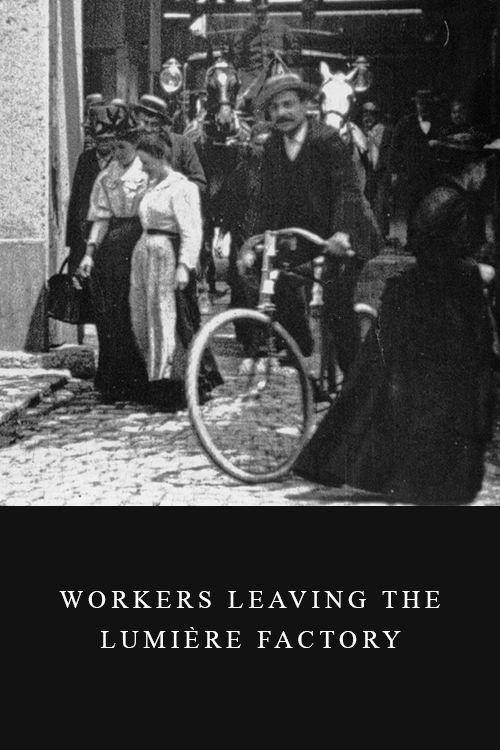
Working men and women leave through the main gate of the Lumière factory in Lyon, France. Filmed on 22 March 1895, it is often referred to as the first real motion picture ever made, although Louis Le Prince's 1888 Roundhay Garden Scene pre-dated it by seven years. Three separate versions of this film exist, which differ from one another in numerous ways. The first version features a carriage drawn by one horse, while in the second version the carriage is drawn by two horses, and there is no carriage at all in the third version. The clothing style is also different between the three versions, demonstrating the different seasons in which each was filmed. This film was made in the 35 mm format with an aspect ratio of 1.33:1, and at a speed of 16 frames per second. At that rate, the 17 meters of film length provided a duration of 46 seconds, holding a total of 800 frames.
1968
In 1968, a convoy set off to transport a Calandria, the 70-ton core of a Canadian nuclear reactor, to Rajasthan in India. Even the largest semi-trailers could not keep up with this transport, which drove over specially reinforced roads and through city walls that had been demolished to make room.
Average
21 votes
Machines
Released
AA
English, हिन्दी
Finland, Germany, India