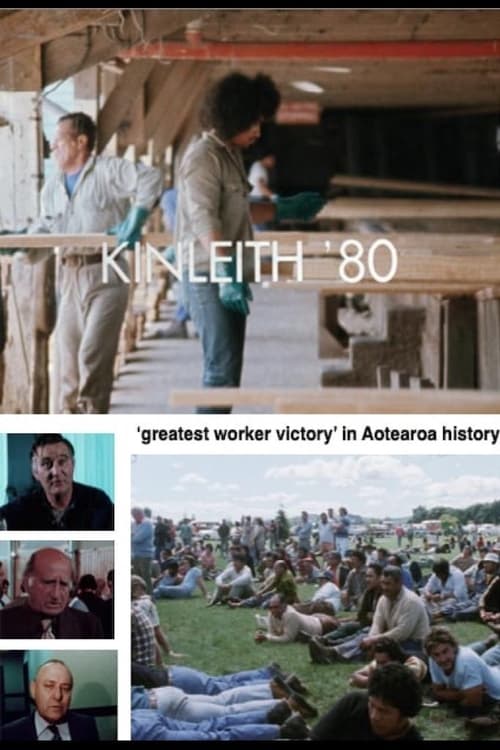

Covers the 12-week-long strike at Kinleith Pulp and Paper Mill, owned by New Zealand Forest Products in January 1980.
The film was directed by Rod Prosser.

1952
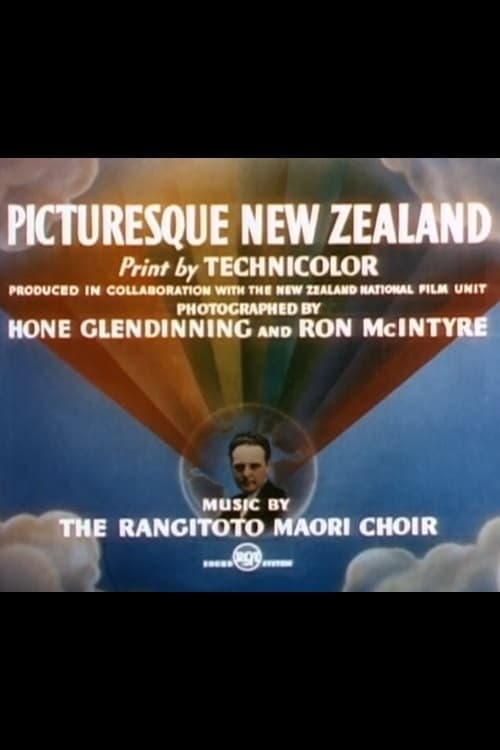
This Traveltalk series short visit to New Zealand starts in Auckland, a bustling, modern city. Next is Christchurch, home of Canterbury University, where rowing teams participate in a regatta. Nearby is Lake Wakatipu, which inspires artists to put their impressions on canvas. We then visit Rotorua, a city famous for its geysers, hot springs, bubbling mud pools, and other geothermal activity. At Ferry Springs there is lots of trout for fishing. Later, a group of natives performs a canoe dance.
2014
The Delano Manongs tells the story of farm labor organizer Larry Itliong and a group of Filipino farm workers who instigated one of the American farm labor movement’s finest hours – The Delano Grape Strike of 1965 that brought about the creation of the United Farm Workers Union (UFW). While the movement is known for Cesar Chavez’s leadership and considered a Chicano movement, Filipinos played a pivotal role. Filipino labor organizer, Larry Itliong, a cigar-chomping union veteran, organized a group of 1500 Filipinos to strike against the grape growers of Delano, California, beginning a collaboration between Filipinos, Chicanos and other ethnic workers that would go on for years.
2005
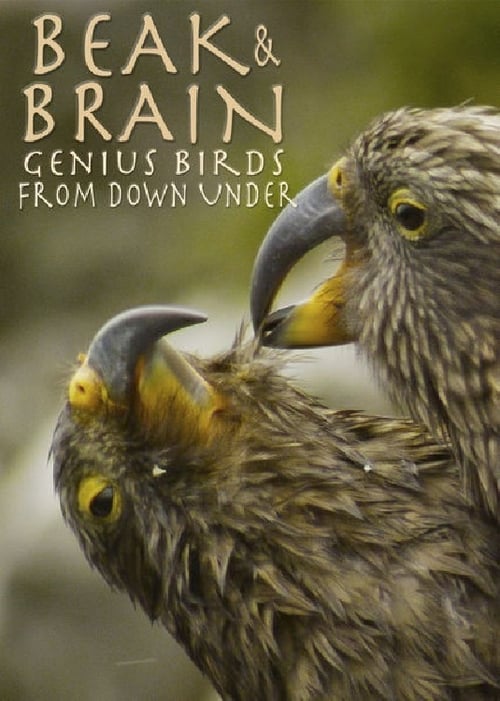
Sir David Attenborough narrates a documentary about the Kea, the world's only alpine parrot. Playful and destructive, it attacks cars, starts landslides and terrorises New Zealand ski resorts but behind the bad behaviour there's a sharp mind at work. David tries to play chess with a kea and discovers how its cheeky character is the key to its survival.

2013
James Nesbitt moved to New Zealand in 2011 when he landed the role of Bofur in Peter Jackson's Hobbit trilogy, but he says the country remains largely unknown to him. Travelling more than 1,000 miles from the tip of the North Island down to the South, the actor finds out more about the place he has called home, visiting areas of natural beauty and learning about the nation's history and traditions. Along the way, he meets former All Blacks player the late great Jonah Lomu, takes a trip around film star Sam Neill's vineyards in Queenstown, catches up with Peter Jackson and goes Base-jumping from the tallest building in Auckland.

2017
The larger-than-life story of Kim Dotcom, the 'most wanted man online', is extraordinary enough, but the battle between Dotcom and the US Government and entertainment industry—being fought in New Zealand—is one that goes to the heart of ownership, privacy and piracy in the digital age.

2001
N/A
Stories of Waitara combines oral histories, state of the art animations and powerful dramatic re-enactments to bring to life the narratives of Te Ātiawa in their epic battle against the military might of the British Empire. Created and presented by award-winning journalist Mihingarangi Forbes NZ Wars: Stories of Waitara documents the epic battle for control over the fertile lands of Taranaki. Shared through the eyes of Te Atiawa descendants including Dr Ruakere Hond with insights from acclaimed historian Dr Vincent O'Malley this digital documentary project focuses on the beginning of the Taranaki wars which started in Waitara and raged across the region for over two decades. The Taranaki pa site of Pukerangiora holds a significant place in New Zealand's military history as a lasting symbol of Maori resistance and resilience. Pukerangiora is now the backdrop for the latest installment of RNZ's award-winning docu-series on the bloody birth of modern New Zealand.

2013
Whoever came up with the term 'bird brain' never met these feathered thinkers, who use their claws and beaks to solve puzzles, make tools and more.

2021
On the 5th of March 1985, a crowd gathered in a South Yorkshire pit village to watch a sight none of them had seen in a year. The villagers, many of them in tears, cheered and clapped as the men of Grimethorpe Colliery marched back to work accompanied by the village’s world-famous brass band. The miners and their families had endured months of hardship. It had all been for nothing. The miners had lost the strike called on March 6th 1984. They would lose a lot more in the years to come. But was it a good thing for the country that the miners lost their last battle?
Poor
0 votes
Kinleith '80
Released
English
New Zealand