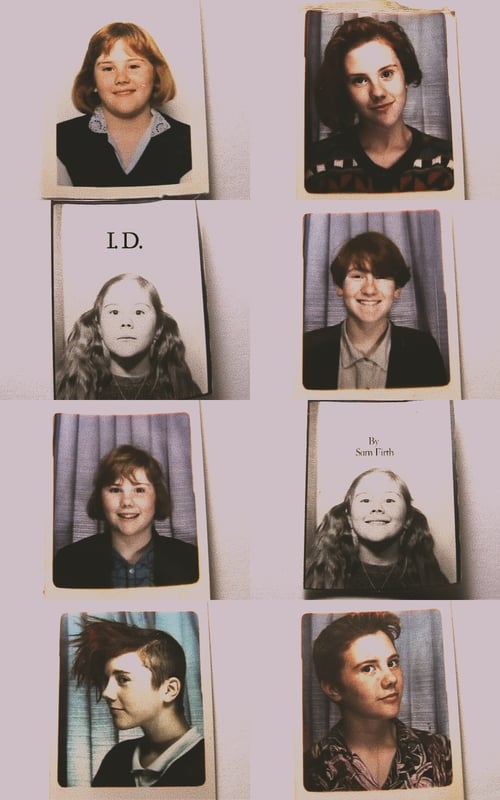
I.D.
2009•2m•
★7.0(1 ratings)
Documentary
Overview
A teenager finds her identity through the intimacy of the photo booth.
Director
Sam FirthWatchlist
Main Cast

Full Crew
Direction
- Director: Sam Firth
Keywords
woman directorshort film
Did You Know?
#1
The film was directed by Sam Firth.
#2
This title is listed on IMDb as tt1603294.
Gallery
Similar Movies
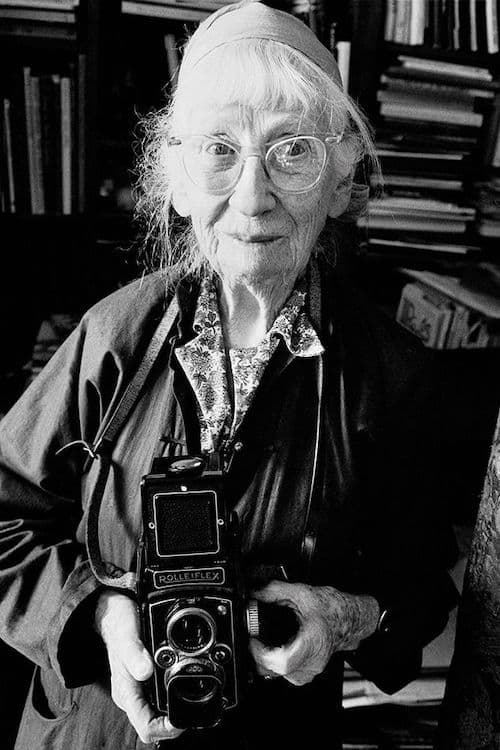
Imogen Cunningham, photographer
1970
A fascinating insight into the life and works of photographer Imogen Cunningham. Coming into public attention around 1910, she was celebrated in the late sixties through awards, honorary degrees and exhibitions. Her photos are looked at from three focal points: nature, portraits and figure studies.
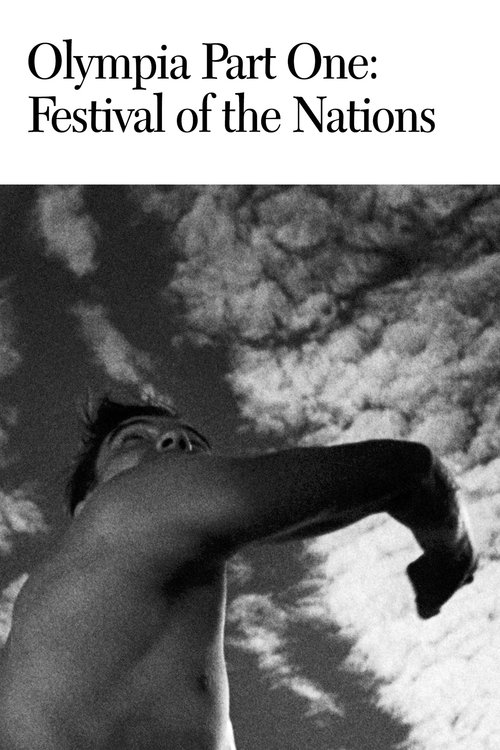
Olympia Part One: Festival of the Nations
1938
Starting with a long and lyrical overture, evoking the origins of the Olympic Games in ancient Greece, Riefenstahl covers twenty-one athletic events in the first half of this two-part love letter to the human body and spirit, culminating with the marathon, where Jesse Owens became the first track and field athlete to win four gold medals in a single Olympics.
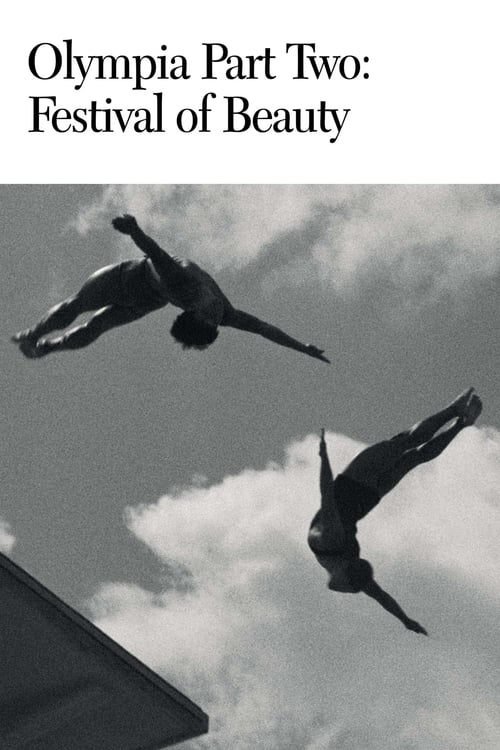
Olympia Part Two: Festival of Beauty
1938
Part two of Leni Riefenstahl's monumental examination of the 1938 Olympic Games, the cameras leave the main stadium and venture into the many halls and fields deployed for such sports as fencing, polo, cycling, and the modern pentathlon, which was won by American Glenn Morris.
Rating
7.0/10
Good
1 votes
Movie Information
Original Title:
I.D.
Status:
Released
Language:
English
Country of Origin:
United Kingdom