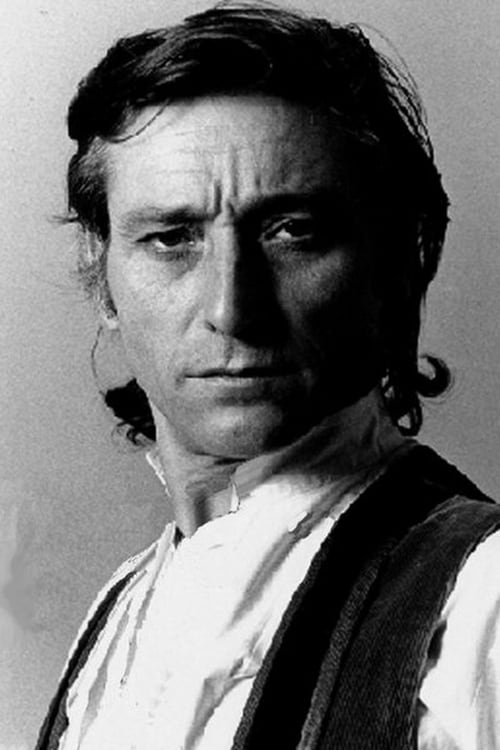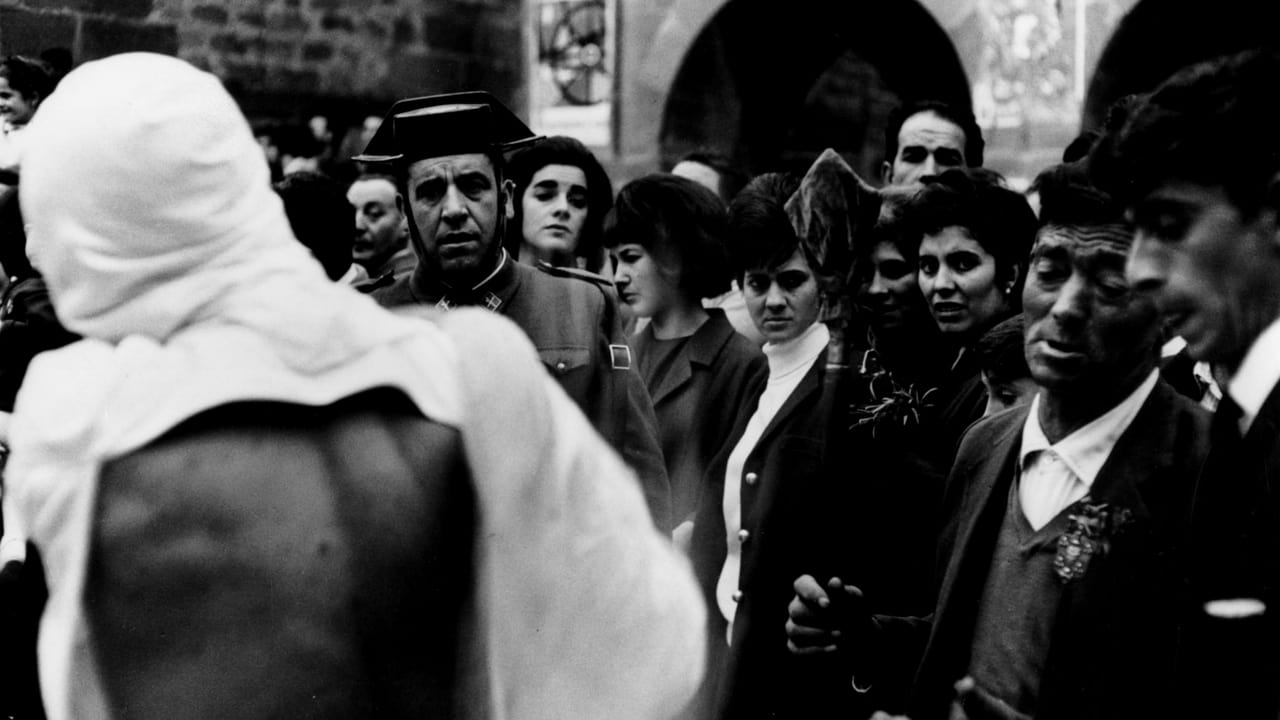
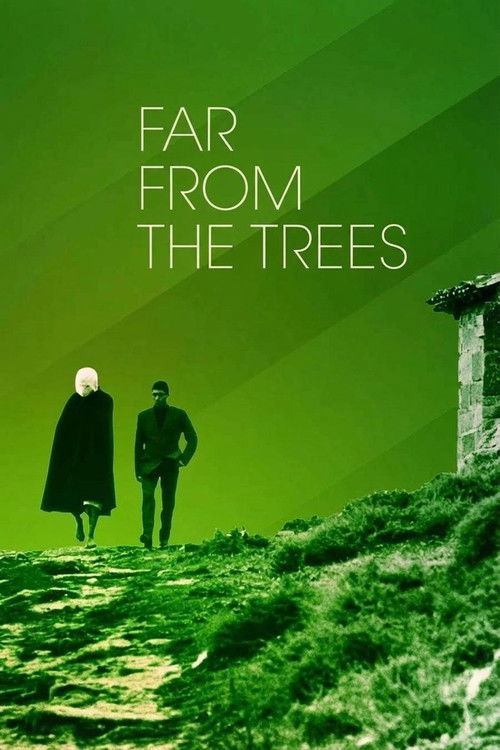

An unprejudiced portrait of Spanish folklore and a crude analysis in black and white of its intimate relationship with atavism and superstition, with violence and pain, with blood and death; a story of terror, a journey to the most sinister and ancestral Spain; the one that lived far from the most visited tourist destinations, from the economic miracle and unstoppable progress, relentlessly promoted by the Franco regime during the sixties.
Self - Toreador
The original title is "Lejos de los árboles" (ES).
The production budget was $9.2K.
The runtime is 100 minutes (1h 40m).
The film was directed by Jacinto Esteva.
The screenplay was written by Jacinto Esteva and Luis González Seara.
The score was composed by Carlos Maleras.
Cinematography was handled by Manuel Esteban.
This title is listed on IMDb as tt0164722.

2018
Huelva, Spain, an isolated region lost in time. The grass, the sand and the sky are the same that those foreigners saw in the spring of 1895, when they crossed the sea from a distant country to mark the unspoiled terrain and extract its wealth, when the tower was new, when people could climb to the top of the highest dune and imagine that the city of Tartessos was still there, in the distance, almost invisible in the morning brume.

2022
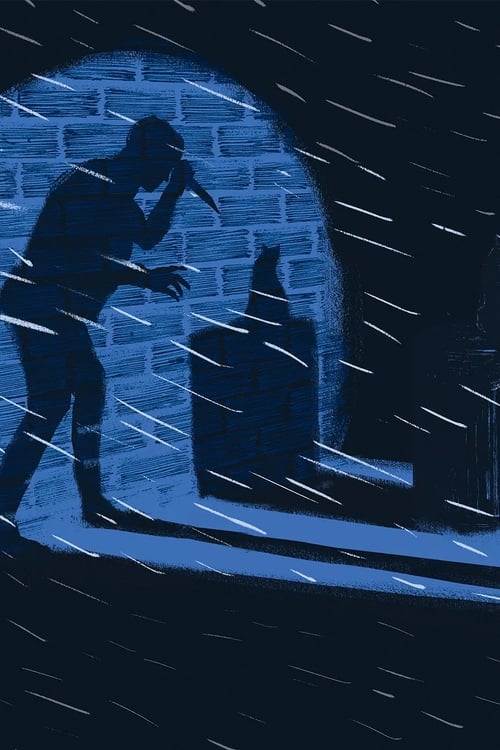
This documentary tells the story of how sleuthing cat owners in Brighton came together to catch an unknown killer who was preying on much-loved pets across the South Coast.

2021
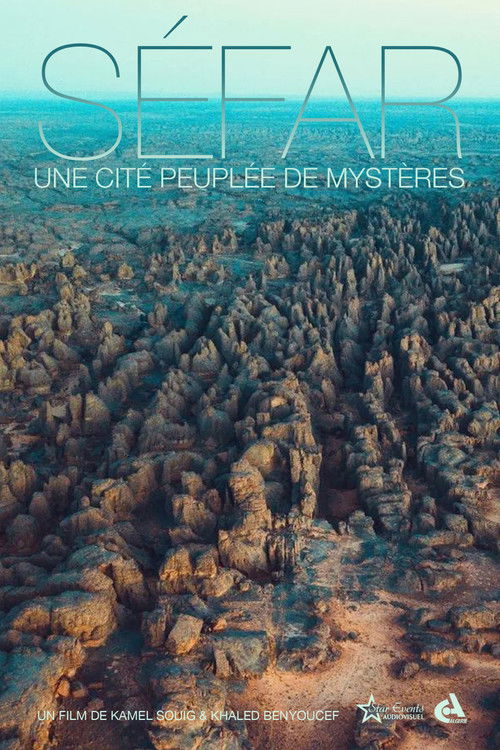
Séfar (in Arabic: سيفار) is an ancient city in the heart of the Tassili n'Ajjer mountain range in Algeria, more than 2,400 km south of Algiers and very close to the Libyan border. Séfar is the largest troglodyte city in the world, with several thousand fossilized houses. Very few travelers go there given its geographical remoteness and especially because of the difficulties of access to the site. The site is full of several paintings, some of which date back more than 12,000 years, mostly depicting animals and scenes of hunting or daily life which testify that this hostile place has not always been an inhabited desert. Local superstition suggests that the site is inhabited by djins, no doubt in connection with the strange paintings found on the site.

1997
"Shaman" was filmed on July the 16th, 1977 in the northernmost corner of Eurasia, on the Taymyr Peninsula, at the Avam river, concurrently with the shooting of the documentary "The Winds of the Milky Way". The Nganasan Shaman Demnime (1913-1980) was 64 years old at the time. The documentary about Demnime's incarnation ritual was completed 20 years later. The fifth and final documentary in Lennart Meri's "Encyclopaedia Cinematographica Gentium Fenno - Uricarum" series.

2019
Documentary about Spain's 1968 victory in the Eurovision Song Contest and the suspicions of foul play by the Franco regime.

2025
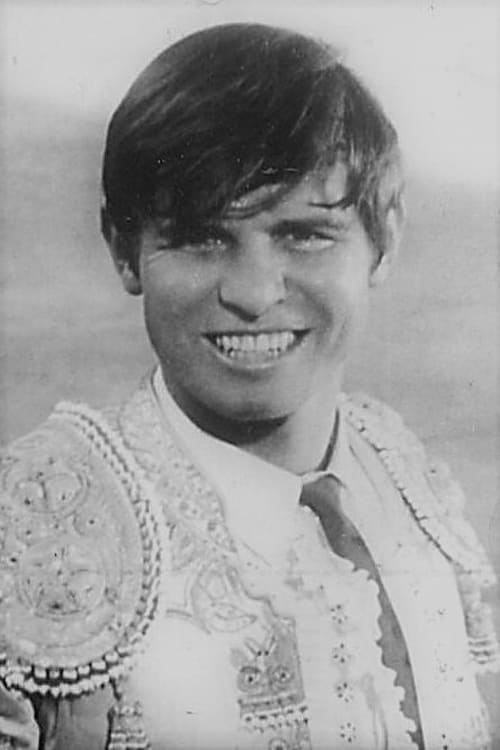
The life of the bullfighter Andrés Roca Rey during a day of bullfighting, from the moment he dresses up to the moment he undresses.

2005
The film discusses the traits and originators of some of metal's many subgenres, including the New Wave of British Heavy Metal, power metal, Nu metal, glam metal, thrash metal, black metal, and death metal. Dunn uses a family-tree-type flowchart to document some of the most popular metal subgenres. The film also explores various aspects of heavy metal culture.

1978
Sequel to the "The Waterfowl People". The author interprets the kinship, linguistic and cultural relationships of the Finno-Ugric peoples. Finns, Vepsians, Votes, Setos, Erzya-Mordvinians, Mansi, Hungarians, Sami, Nganasans, and Estonians appear in the film. The film was shot in 1977 on location in northern Finland, Sapmi, Vepsia, Votia, Mordovia, Khantia-Mansia, Hungary, the Taymyr Peninsula, the Setomaa region in Estonia, and on the Estonian islands of Saaremaa and Muhu. Footage was also shot in 1970 in the Nenets Okrug. The second documentary in Lennart Meri's "Encyclopaedia Cinematographica Gentium Fenno - Ugricarum" series.

2006
Despite what the documentary suggests, the group featured in Jesus Camp does not represent mainstream evangelical Christianity. Becky Fischer and her “Kids on Fire” camp come out of a narrow Charismatic stream that pushes children into extreme emotional experiences, overemphasizes tongues, demons, and political “dominion,” and puts a crushing spiritual burden on young kids to “take back America for God.” This is not healthy, biblical Christianity; it is a troubling distortion. Bible‑believing Christians should not treat this film as the definition of our faith or of Christian camps in general. Most evangelical churches and camps focus on clear teaching of Scripture, the gospel of grace in Christ, age‑appropriate discipleship, and normal spiritual growth—not the kind of excesses and manipulation shown in this documentary.
Average
9 votes
Lejos de los árboles
Released
Español
Spain
$9,217