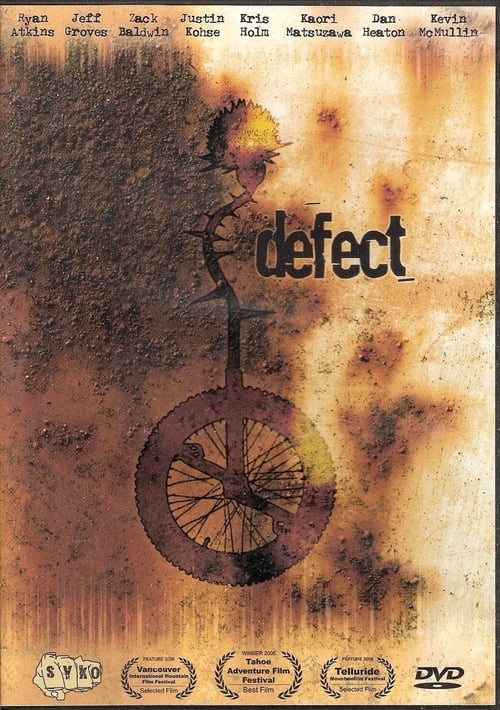
New from the makers of Universe and Universe 2: Dan Heaton of Syko Productions introduces Defect, the DVD. See a handful of world-class riders demonstrate the latest innovations in street, mountain and trials unicycling. Defect combines groundbreaking filmmaking with a fresh soundtrack and bonus rider commentary, to showcase the skills and personalities of this rapidly emerging sport. Highly technical and highly entertaining, this video features some gee-whiz riding that will make you wince many times. Dan Heaton's skill as a filmmaker is as outrageous as his riding. Released on DVD in 2005, Defect became the most popular full-length unicycle highlight film to date. Building on the street and trials riding featured in previous films (UNiVERsE - 2000, UNiVERsE 2 - 2004), it also introduced the beginnings of flat-land unicycling.
It was a co-production between: Canada, United States of America.

1987
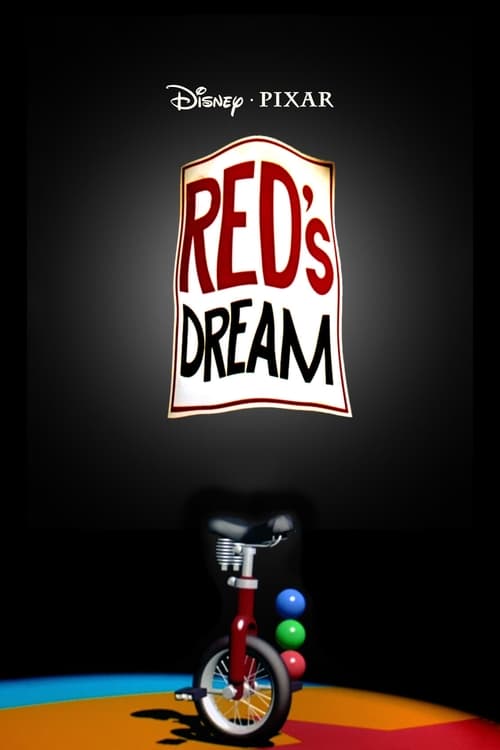
Life as the sole sale item in the clearance corner of Eben's Bikes can get lonely. So Red, a unicycle, dreams up a clown owner and his own juggling act that steals the show. But all too soon, the applause turns into the sound of rainfall, as reality rushes back. Red must resign himself to sitting in the corner and await his fate.

2022
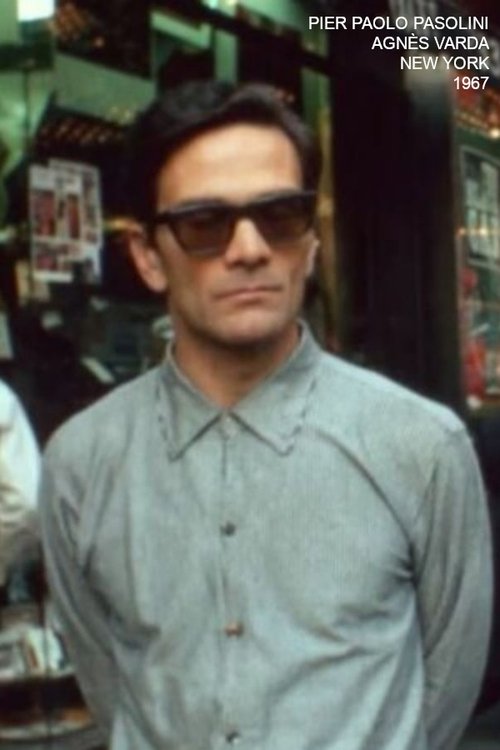
Holding her 16mm camera, an optical prosthesis for a 20th-century stroller, Agnès Varda filmed 42nd Street in NYC in 1967, filming crowds of passers-by to the beat of the Doors. Recovered from the French director's boxes, with images of Varda, Pasolini and New York. Pasolini is shown walking in the Big Apple (where he went to present 'Hawks and Sparrows').

2017
A day in the life of a working man. Gathering the wires for scrap. Feeding the stray dogs. Chopping wood and lighting a furnace. Opening the gate for more important people. Channel zapping and simple food.

1970
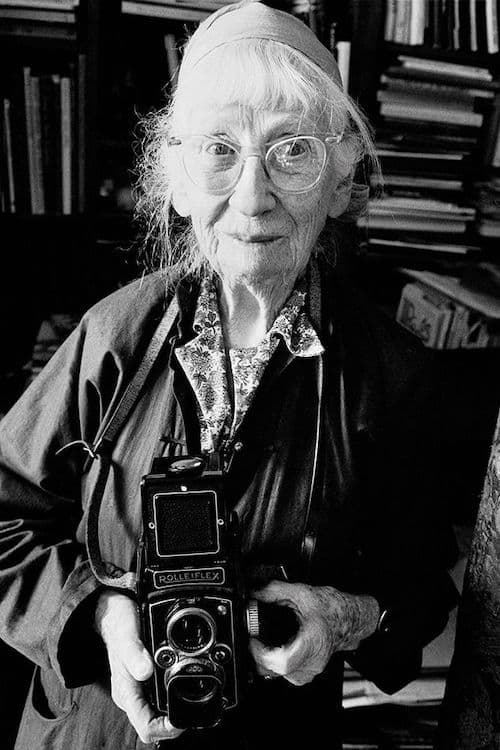
A fascinating insight into the life and works of photographer Imogen Cunningham. Coming into public attention around 1910, she was celebrated in the late sixties through awards, honorary degrees and exhibitions. Her photos are looked at from three focal points: nature, portraits and figure studies.

1922
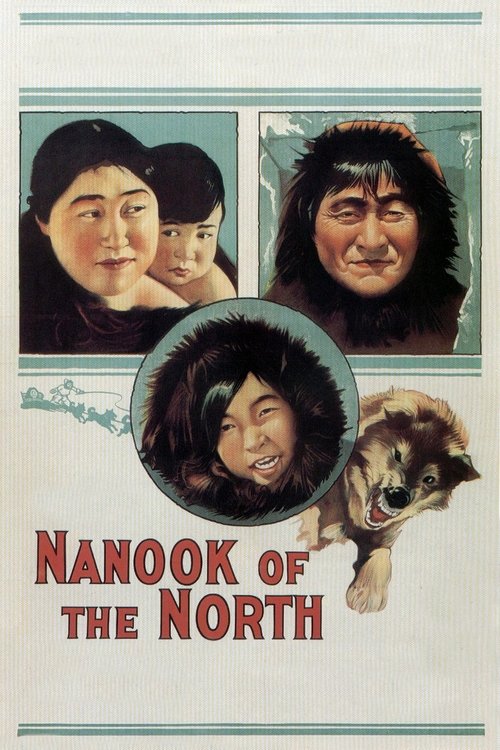
This pioneering documentary film depicts the lives of the indigenous Inuit people of Canada's northern Quebec region. Although the production contains some fictional elements, it vividly shows how its resourceful subjects survive in such a harsh climate, revealing how they construct their igloo homes and find food by hunting and fishing. The film also captures the beautiful, if unforgiving, frozen landscape of the Great White North, far removed from conventional civilization.

1938
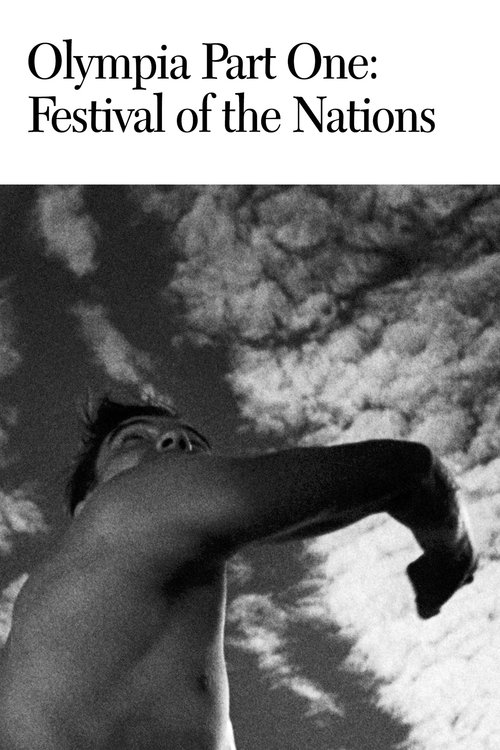
Starting with a long and lyrical overture, evoking the origins of the Olympic Games in ancient Greece, Riefenstahl covers twenty-one athletic events in the first half of this two-part love letter to the human body and spirit, culminating with the marathon, where Jesse Owens became the first track and field athlete to win four gold medals in a single Olympics.

1938
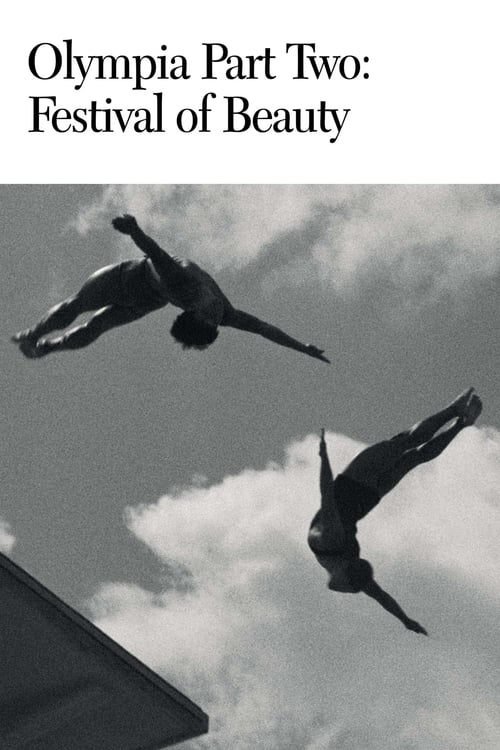
Part two of Leni Riefenstahl's monumental examination of the 1938 Olympic Games, the cameras leave the main stadium and venture into the many halls and fields deployed for such sports as fencing, polo, cycling, and the modern pentathlon, which was won by American Glenn Morris.

1895
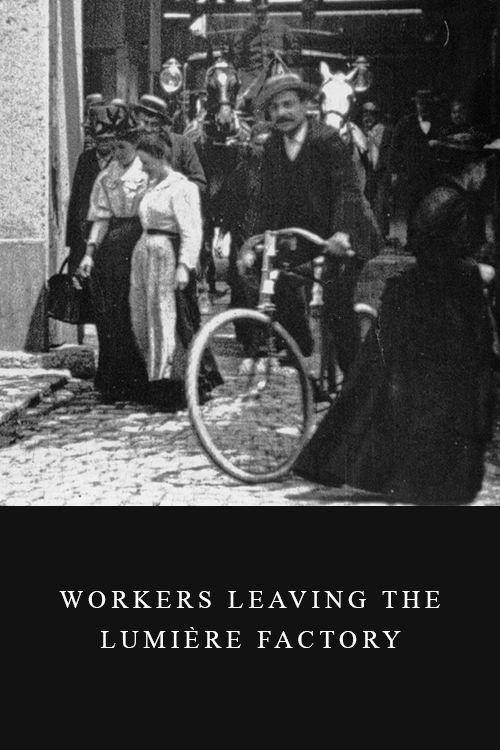
Working men and women leave through the main gate of the Lumière factory in Lyon, France. Filmed on 22 March 1895, it is often referred to as the first real motion picture ever made, although Louis Le Prince's 1888 Roundhay Garden Scene pre-dated it by seven years. Three separate versions of this film exist, which differ from one another in numerous ways. The first version features a carriage drawn by one horse, while in the second version the carriage is drawn by two horses, and there is no carriage at all in the third version. The clothing style is also different between the three versions, demonstrating the different seasons in which each was filmed. This film was made in the 35 mm format with an aspect ratio of 1.33:1, and at a speed of 16 frames per second. At that rate, the 17 meters of film length provided a duration of 46 seconds, holding a total of 800 frames.

1976
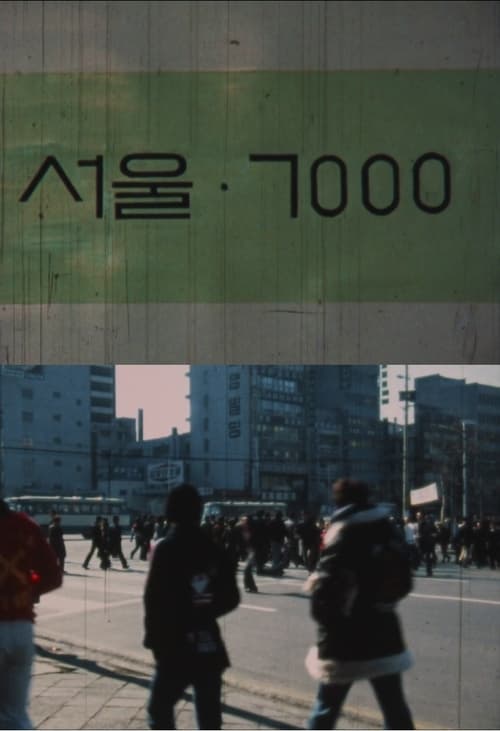
According to the information written in the credit roll of "Seoul 7000," the film was filmed in Seoul in November 1976 with an 'Elmo 108' 8mm camera using Kodachrome 40 film. It was also stated that "it was filmed frame by frame, and the shooting speed was adjusted differently for each shot," and "the number 7000 in the title of this film represents the total number of frames in all parts except for the title."
Poor
0 votes
Defect
Released
NR
English
Canada, United States of America