Culled from four rolls of Super-8 film shot while the maker was a development worker in a small South American village, Daumë is at its center a film about ritual, power, and play. Daumë is both ethnography and critique; it is an interrogation into how to represent a place that can't be represented.
The film was directed by Ben Russell.
This title is listed on IMDb as tt4544300.

2014
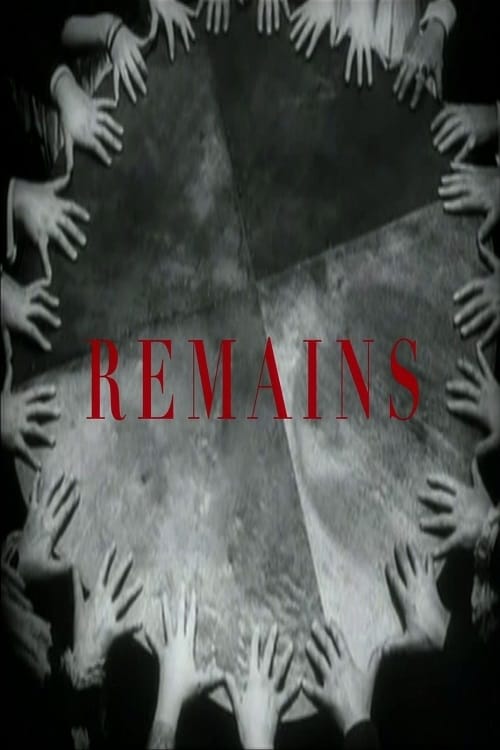
Something takes us underground, where gods and monsters are active, amid the ruins of a world they move around with their innumerable hands. Inspired by Fritz Lang and Richard Wagner, Remains is a daydream.

2007
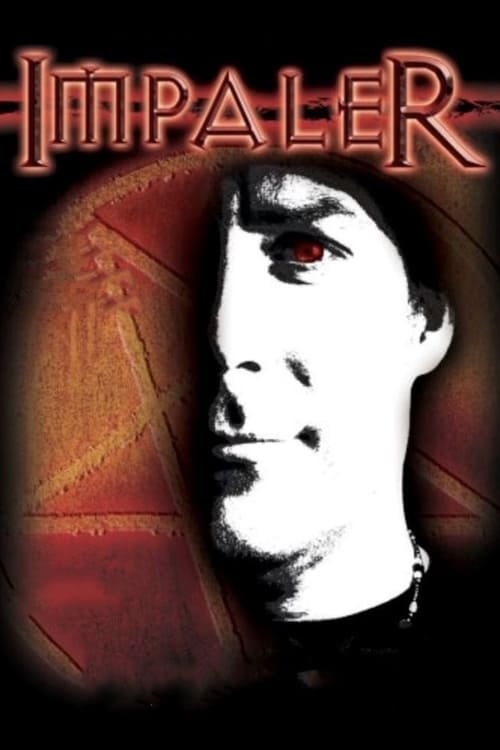
Jonathon "The Impaler" Sharkey threw himself into the race for Minnesota governor on January 13, 2006. His "coming out" to the media as a Hecate Witch, Satanic Dark Priest and Sanguinary Vampire grabbed international attention, and his candidacy marked the beginning of the largest amount of media coverage ever given to an unknown third party candidate running for governor in American history.

1990
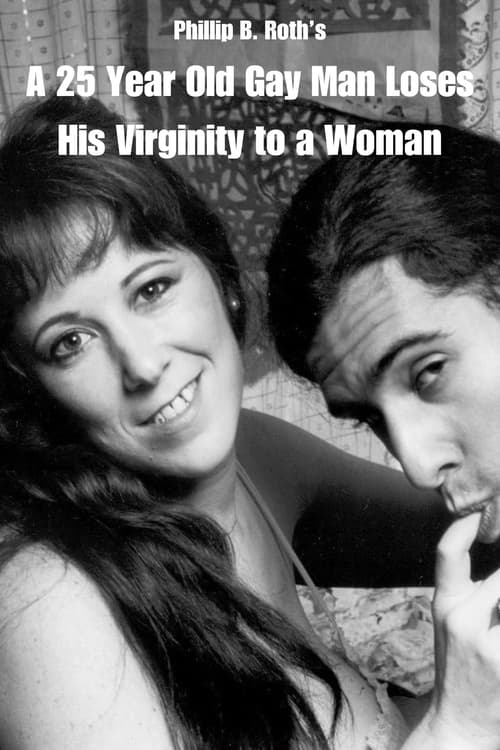
"This tape is an exploration of my latent heterosexuality with porn star / performance artist Annie Sprinkle as instructor and sage. After assuaging my fears that I can have sex with a woman & still maintain my gay identity, Annie warms me up with some playful, sensual wrestling. She then instructs in the use of a tampon while relating men's need to make war with their inability to menstruate. For the rest of the tape, she guides me through the specifics of sexual exploration, positions of coital congress as well as post- coital ritual."
2015
An experimental journey into nostalgia, media, and ownership.

1972
An atmospheric essay, which is an alternative version of Count Dracula, a film directed by Jess Franco in 1970; a ghostly narration between fiction and reality.

2012
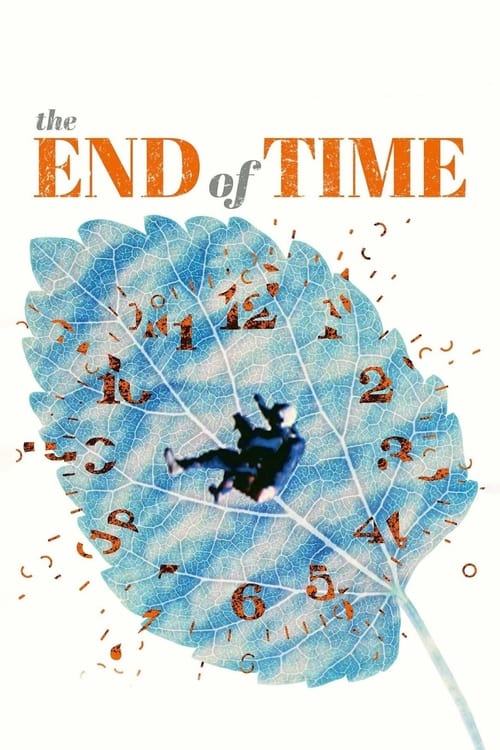
Working at the limits of what can easily be expressed, filmmaker Peter Mettler takes on the elusive subject of time, and once again turns his camera to filming the unfilmable. From the particle accelerator in Switzerland, where scientists seek to probe regions of time we cannot see, to lava flows in Hawaii which have overwhelmed all but one home on the south side of Big Island; from the disintegration of inner-city Detroit, to a Hindu funeral rite near the place of Buddha's enlightenment, Mettler explores our perception of time. He dares to dream the movie of the future while also immersing us in the wonder of the everyday. THE END OF TIME, at once personal, rigorous and visionary, Peter Mettler has crafted a film as compelling and magnificent as its subject.

1972
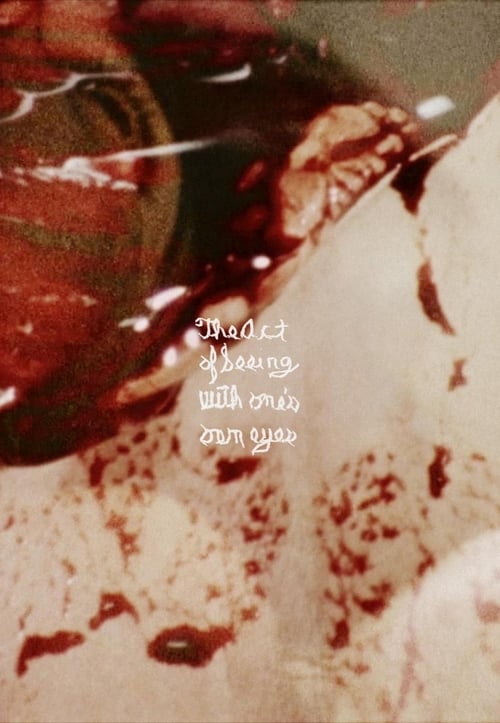
At a morgue, forensic pathologists conduct autopsies of the corpses assigned. "S. Brakhage, entering, WITH HIS CAMERA, one of the forbidden, terrific locations of our culture, the autopsy room. It is a place wherein, inversely, life is cherished, for it exists to affirm that no one of us may die without our knowing exactly why. All of us, in the person of the coroner, must see that, for ourselves, with our own eyes. It is a room full of appalling particular intimacies, the last ditch of individuation. Here our vague nightmare of mortality acquires the names and faces of OTHERS. This last is a process that requires a WITNESS; and what 'idea' may finally have inserted itself into the sensible world we can still scarcely guess, for the CAMERA would seem the perfect Eidetic Witness, staring with perfect compassion where we can scarcely bear to glance." – Hollis Frampton

1935
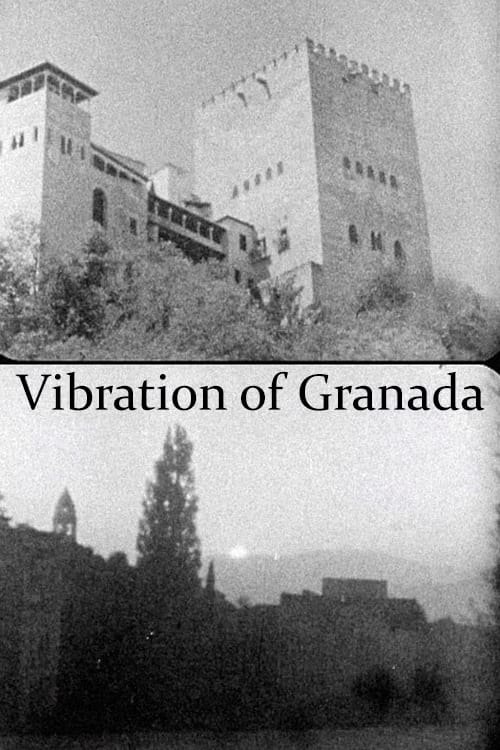
This is a short film that, although a documentary in appearance, has very little to do with the generic conventions of that form. It would seem, then, that what we have here is the embryo of what he was subsequently to call the "elementary": an abstract or lyrical modality in the perception and exposition of the real.

1961
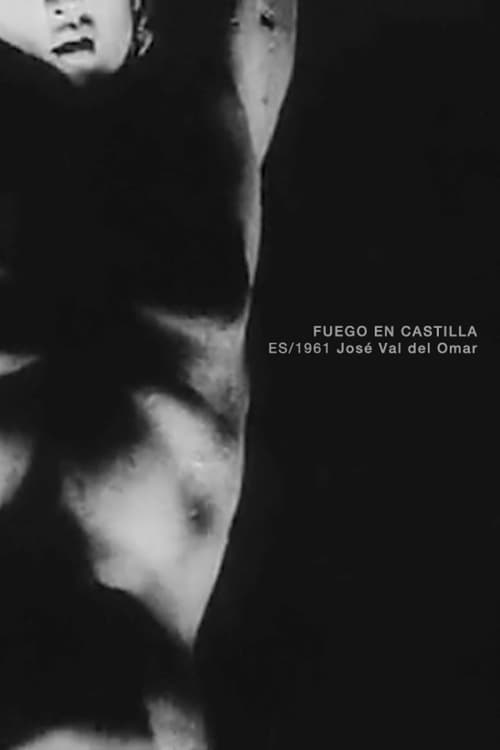
A short, experimental documentary featuring sculptures by Alonso de Berruguete and Juan de Juni. Shot within the Valladolid National Museum, the film is an excercise in what Val de Omar called "Tactile vision".
Average
6 votes
Daumë
Released
English
United States of America