

CinemaSerf
May 8, 2026
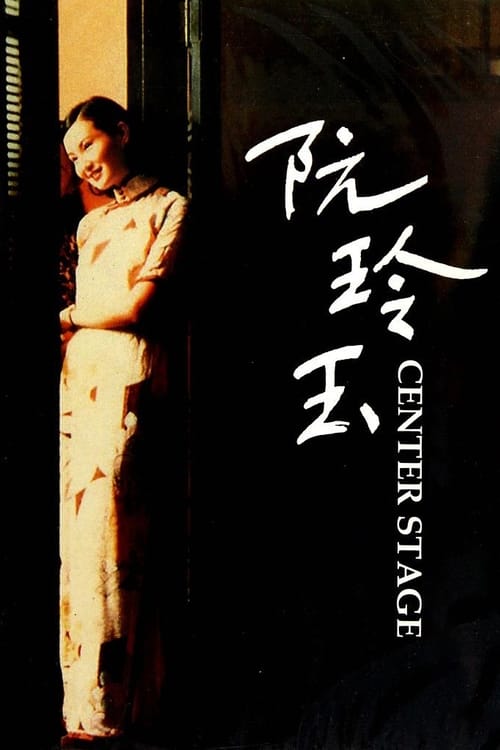
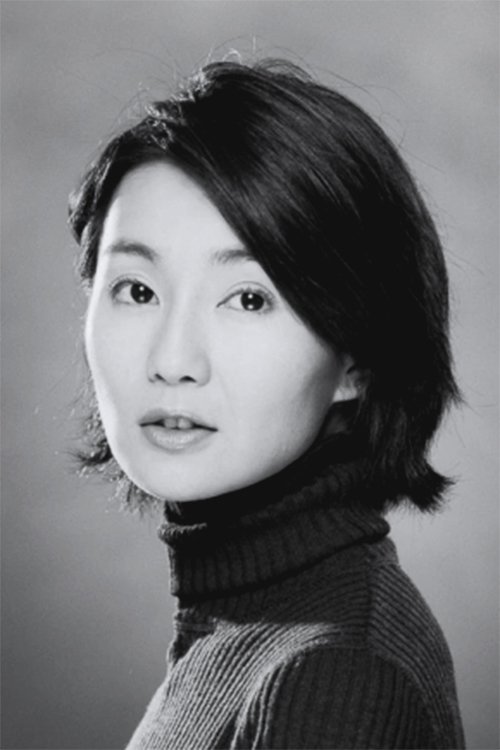
Though I didn't love the slightly confused style of this biopic, it's certainly a gloriously photographed story of the life of Ruan Lingyu (Maggie Cheung) as she embarked on the production of her final film "New Woman". She was an acclaimed silent film star in 1930s China who lived her life to the full, shall we say, and ultimately fell foul of a political class that was being more than subtly influenced by the aspiring Kuomintang movement. It didn't help that she was involved in a bit of a love triangle with the successful but married tea exporter Tang Chi-Shan (Chin Han) and coupled with her often quite seamy roles was generally considered something of a scarlet woman. Interspersed with her increasingly tragic story are more contemporaneous scenes from those in the cast discussing their plans for the film, it's characters and it's politics who do enlighten to an extent, but also serve to clobber the pace and sensitivity of the original story and that I felt didn't really work. This is a story that spotlights many of the hypocrisies of an ancient patriarchy that very much espoused philosophies of do as I say, not as I do - and those are really quite poignantly exposed by the delicately potent Cheung as Ruan Lingyu becomes more embroiled in artificially and vengefully contrived scandals that could only have one result for her. The production design also serves to contrast well a society that is emerging from centuries of Imperial government into something more "democratic" in nature - the adopting of suits and ties for the men but the women still confined to more traditional dress, as if to remind us of their more ornamental value even if the controversial film they are trying to make celebrates the equality between the sexes. There are a few excerpts from her actual films included which is impressive as many of them were destroyed by the authorities, and as a critique of the prevailing double standards of the day this is a classy and stylish film to watch.