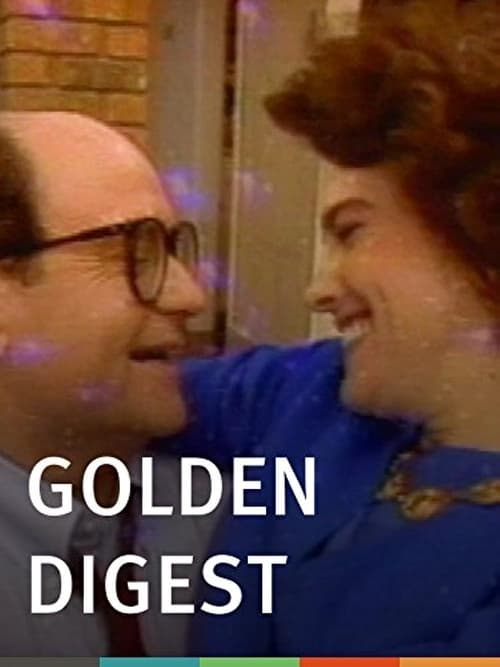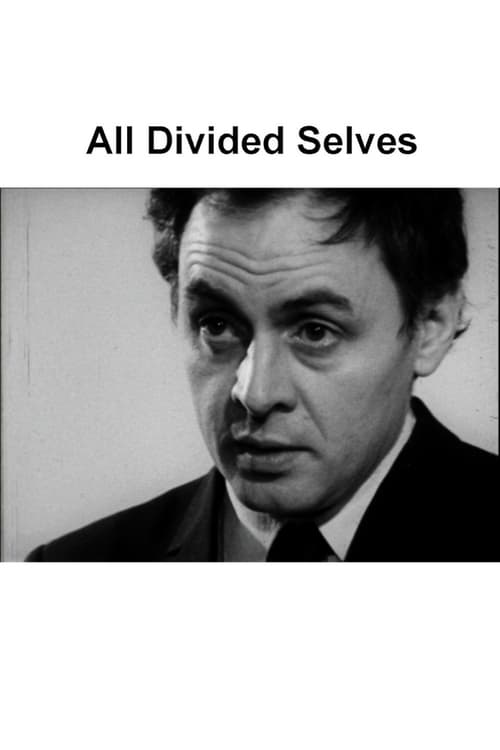
Collage film about R.D. Laing, who spearheaded the social and cultural revolutions of the 1960s, weaves archival material with his own filmic observations. For Laing normality meant adjusting ourselves to the mystification of an alienating world.
The runtime is 93 minutes (1h 33m).
The film was directed by Luke Fowler.
The screenplay was written by R.D. Laing.
This title is listed on IMDb as tt2261217.
2005

1996
Animal Charm makes videos from other people's videos. By compositing TV and reducing it to a kind of tic-ridden babble, they force television to not make sense. While this disruption is playful, it also reveals an overall 'essence' of mass culture that would not be apprehended otherwise. Videos such as Stuffing, Ashley, and Lightfoot Fever upset the hypnotic spectacle of TV viewing, revealing how advertising creates anxiety, how culture constructs "nature" and how conventional morality is dictated through seemingly neutral images. By forcing television to convulse like a raving lunatic, we might finally hear what it is actually saying.

2021
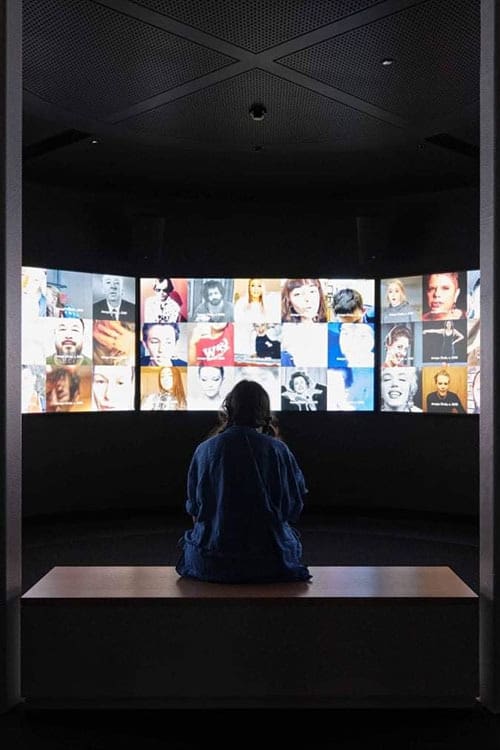
A five-channel video installation commissioned for the permanent exhibition space at the Australian Centre of the Moving Image (ACMI). “The camera doesn’t just capture us, it frames who we are and how we’re seen. Since the camera became more accessible in the mid-20th century, artists and amateurs alike have turned the lens on themselves to create a stage both private and public. This tradition is continued, amplified and transformed through reality TV, the internet and social media, the latest forms to use straight-to-camera techniques to share our common humanity, project authenticity and illuminate how a sense of self can be constructed through the moving image.”

1991
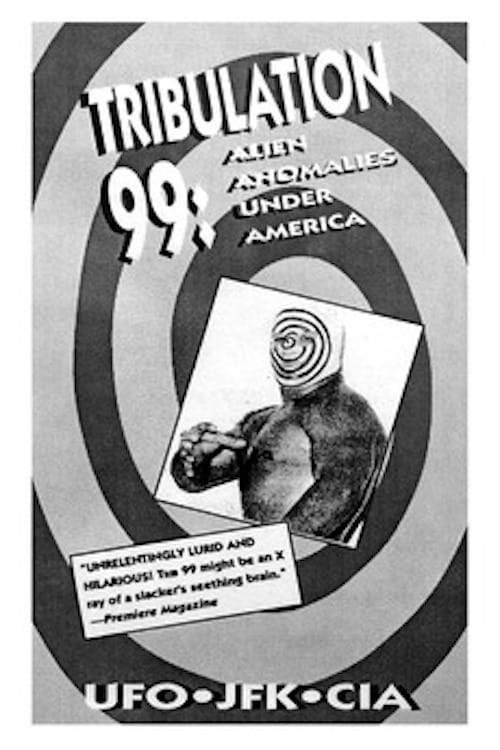
Baldwin’s “pseudo-pseudo-documentary” presents a factual chronicle of US intervention in Latin America in the form of the ultimate conspiracy theory, combining covert action, environmental catastrophe, space aliens, cattle mutilations, killer bees, religious prophecy, doomsday diatribes, and just about every other crackpot theory broadcast through the dentures of the modern paranoiac.

2017
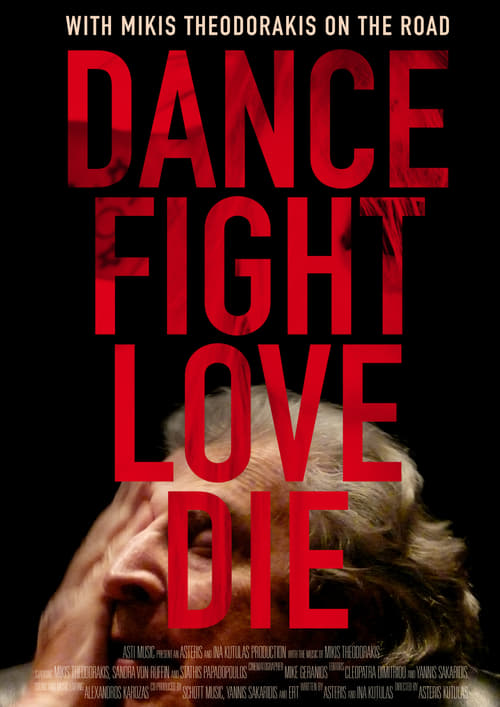
An intimate look into the life of composer Mikis Theodorakis from 1987 until 2017: comprising three decades, four continents, 100 locations and 600 hours of film material. The film interweaves personal moments with archive footage, documentary recordings and fictional pieces, all accompanied by Theodorakis’ music in jazz, classic, electro and rap versions.

2021
Considerations on collage as a cognitive act in artists’ cinema. A pedagogical film adrift: 35mm photographs and other materials collected over the last fifteen years by artist Stefano Miraglia meet a text written by Baptiste Jopeck and the voice of Margaux Guillemard.

2023
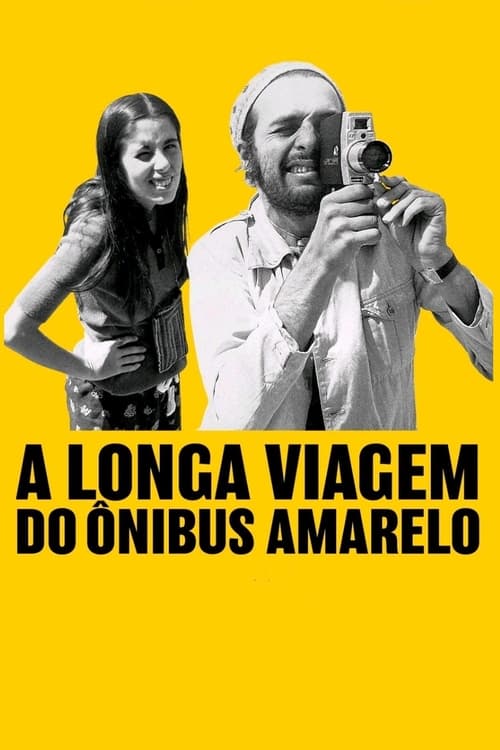
For this behemoth, Bressane took his opera omnia and edited it in an order that first adheres to historical chronology but soon starts to move backwards and forward. The various pasts – the 60s, the 80s, the 2000s – comment on each other in a way that sheds light on Bressane’s themes and obsessions, which become increasingly apparent and finally, a whole idea of cinema reveals itself to the curious and patient viewer. Will Bressane, from now on, rework The Long Voyage of the Yellow Bus when he makes another film? Is this his latest beginning? Why not, for the eternally young master maverick seems to embark on a maiden voyage with each and every new film!

2014
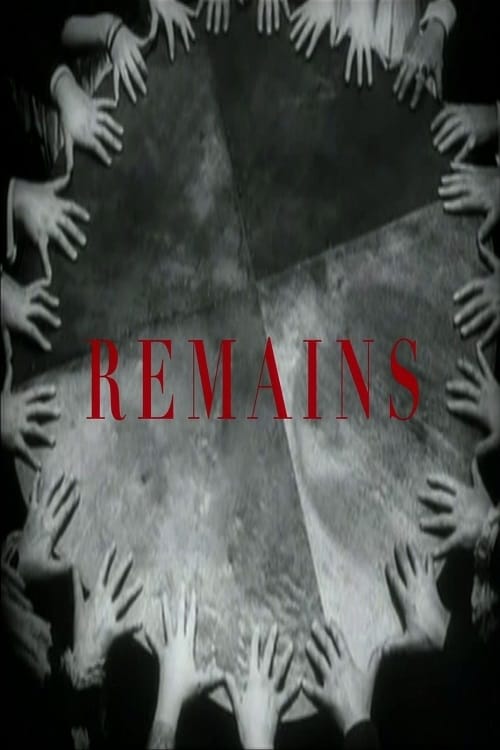
Something takes us underground, where gods and monsters are active, amid the ruins of a world they move around with their innumerable hands. Inspired by Fritz Lang and Richard Wagner, Remains is a daydream.

2012
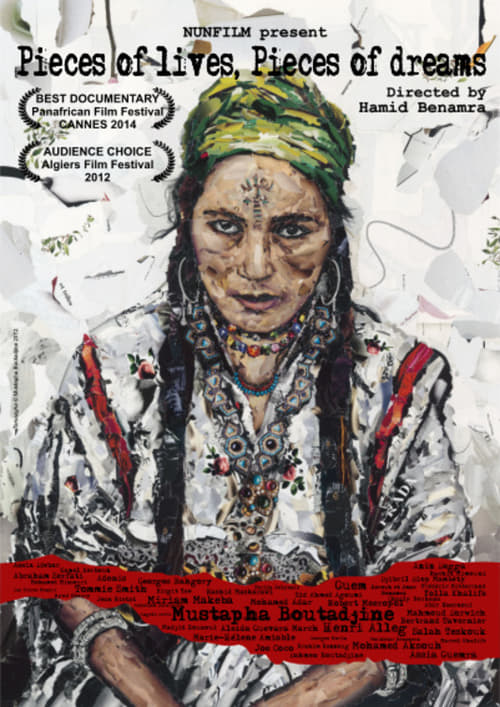
Algerian director Hamid Benamra turns his focus to Mustapha Boutadjine, a charming, mercurial collage artist in Paris whose very work methods embody resistance, and celebrate those who work to liberate others. Boutadjine creates his portraits of Third World artists such as Miriam Makeba, and Algerian figures such as Assia Djebar from pieces of paper torn from high end fashion magazines and other, glossy, glitzy publications. Using this material is as much an act of rejecting bourgeois standards, which are often anti-North African in France, as much as elevating these figures and making them the social and visual standard against which we should judge ourselves, not the runway models of Chanel.
Poor
0 votes
All Divided Selves
Released
English
United Kingdom