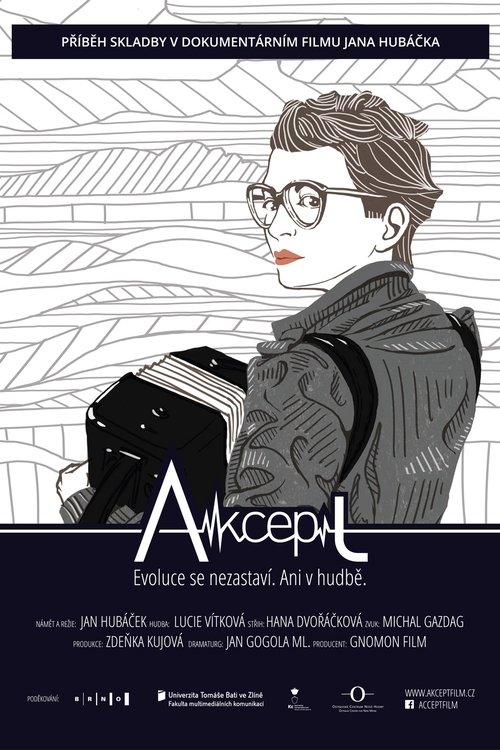

Lucie, a contemporary music composer and performer, creates bizarre pieces using knitting patterns or water turbine schemes, which the public struggles to accept. She prioritises authenticity over popularity, avoiding emotional storytelling in her music. Despite facing resistance from performers and listeners, Lucie remains dedicated, sacrificing much for her art. Her composition “Accept” succeeds, leading her to study in the Netherlands and USA, where she gains acclaim but finds personal life unfulfilled. After losing someone close, Lucie is left adrift in sound, questioning her ability to compose without emotion. Director Jan Hubacek explores these themes in his debut documentary.
The original title is "Akcept" (CS).
The runtime is 84 minutes (1h 24m).
The film was directed by Jan Hubáček.
The screenplay was written by Jan Hubáček.

2002
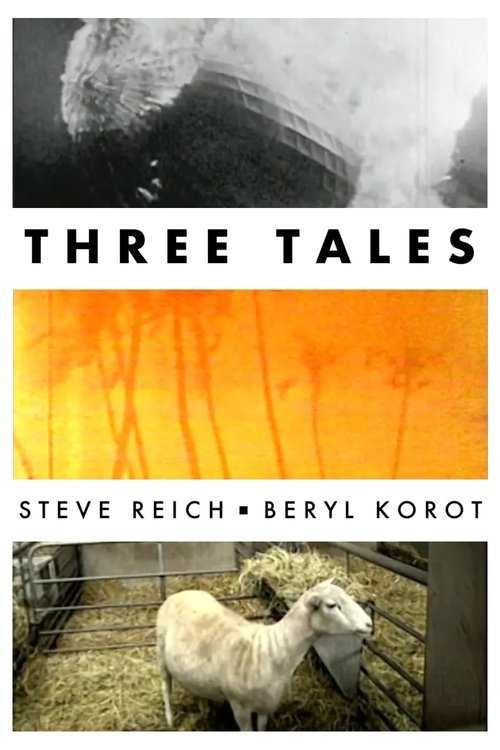
"Three Tales" is a video music work by American composer Steve Reich and video artist Beryl Korot. It is set in three "Acts", each depicting a technological advance of the 20th century and its negative implications on humanity: the dirigible airship Hindenburg and its explosion; the Atom Bomb and its testing on Bikini Atoll; and Dolly the sheep, first successful genetic cloning of a mammal.

2022
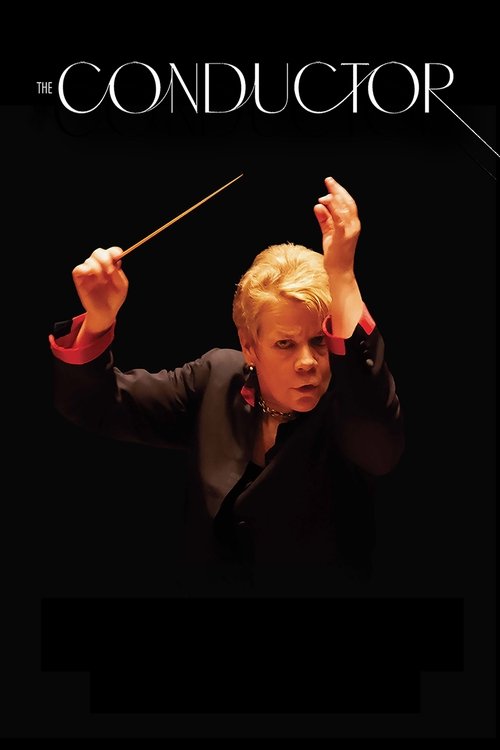
Leonard Bernstein’s protégée Marin Alsop reveals how she smashed the glass ceiling to become an internationally renowned conductor.

1990
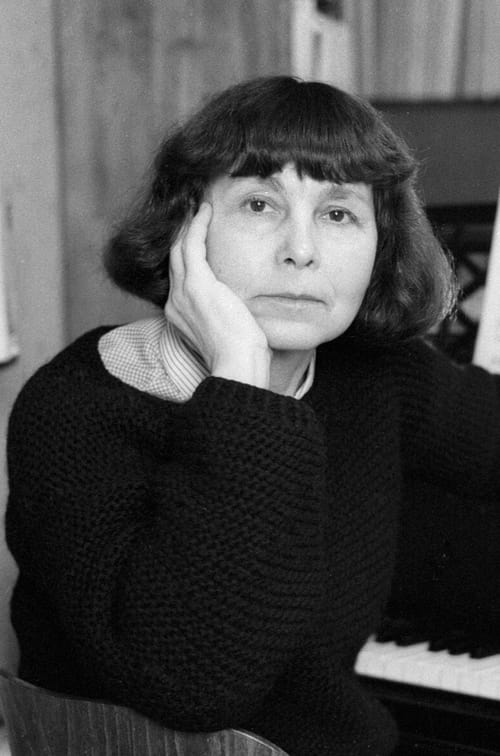
A documentary on the life and work of the composer Sofia Gubaidulina.

2015
He is the most performed contemporary composer in the world. And yet he rarely ventures out in public, prefers to keep quiet about his music, feels at home in the forests of Estonia and generates therewith - perhaps involuntarily - the impression of a recluse, which is attributed to him again and again: Arvo Part. In The Lost Paradise, we follow him over a period of one year in his native Estonia, to Japan and the Vatican. The documentary is framed by the stage production of Adam's Passion, a music theater piece based on the Biblical story of the fall of Adam featuring three key works by Arvo Part. The world-renowned director Robert Wilson has brought this work to the stage in a former submarine factory in Tallinn. Tracing their creative process, the film offers rare and personal insights into the worlds of two of the most fascinating personalities in the international arts and music scene.

1995
A fascinating study of merging form with content, broken into four shorts, each complete with opening title and closing credits: "19 Questions," "Fourteen," "Paying Attention," and "Overpopulation and Art."

2005
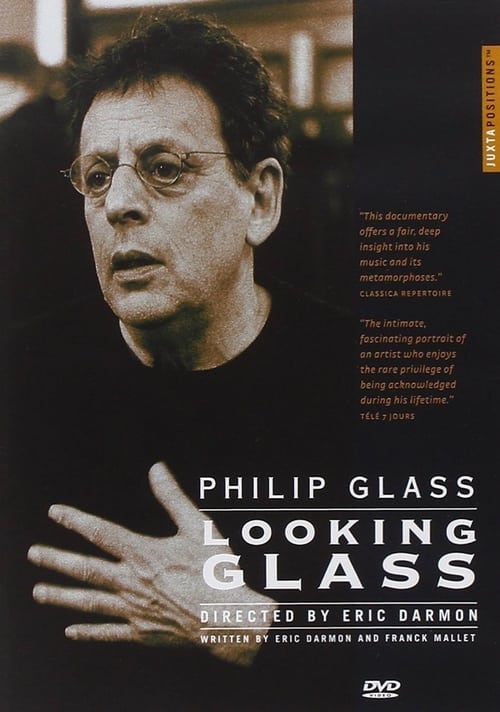
This documentary captures the overflowing energy and activity of one today's greatest composers, Philip Glass, and allows us to follow him from New York to London and from Paris to Boston. He speaks about his beginnings, his moving to Paris for two years of intensive study with Nadia Boulanger, his meeting with Indian musician Ravi Shankar and director Robert Wilson, who had a deep influence on his career. The film also shows him at work on the last details of his opera The Sound of a Voice, directed by Robert Woodruff and conducted by Alan Johnson. Éric Darmon's camera, with its poetic shots and original framings, takes us for a musical journey into seven months of the life of the composer who, rising from the underground scene of the seventies, brought on a revolution in modern theater.

2006
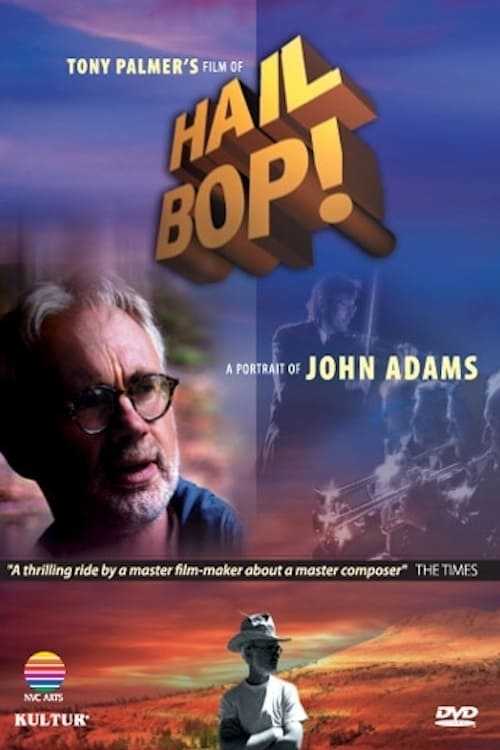
Shot over the course of a year, this intimate portrait of provocative composer John Adams presents scenes of the artist at work and at play against the backdrop of dramatic American landscapes that reflect the themes of his music. Though he has a number of credits to his name, Adams is best known for his unconventional opera "Nixon in China," which explores the former U.S. president's meeting with Mao Zedong in 1972.

2014
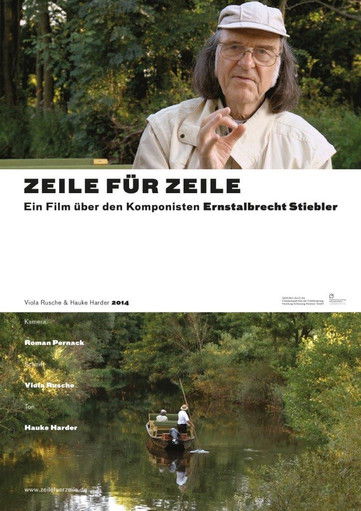
A cello piece A punt ride Thoughts about music and composition The eight lines of Ernstalbrecht Stiebler’s cello piece Sequenz 2 alternating with his thoughts about slowness, space, reduction, repetition, resonance, liveliness and emotion A cinematic continuum

2013
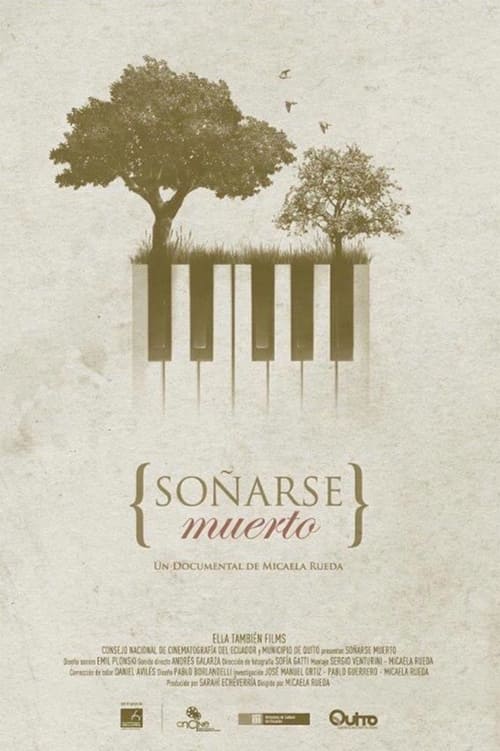
José Manuel Ortiz, 32, has had a great interest and sensitivity towards music since he was very young. He grows up listening to the anecdotes of his great-grandfather Carlos Amable Ortiz who was the first academic musician in Ecuador. After the death of Carlos Amable Ortiz, his fame begins to fade, but his 237 scores have managed to survive time. Upon recovering the works, José Manuel's interest in studying and deepening the music found is awakened.
Poor
0 votes
Akcept
Released
Český
Czech Republic